We use Cookies. Read our Terms
Building Tomorrow, Today: The History of the OPEC Fund
For 50 years, the institution has delivered what is needed, where it is needed and when it is needed. Now, it is well-positioned to take on an even greater role in global development financing partnerships
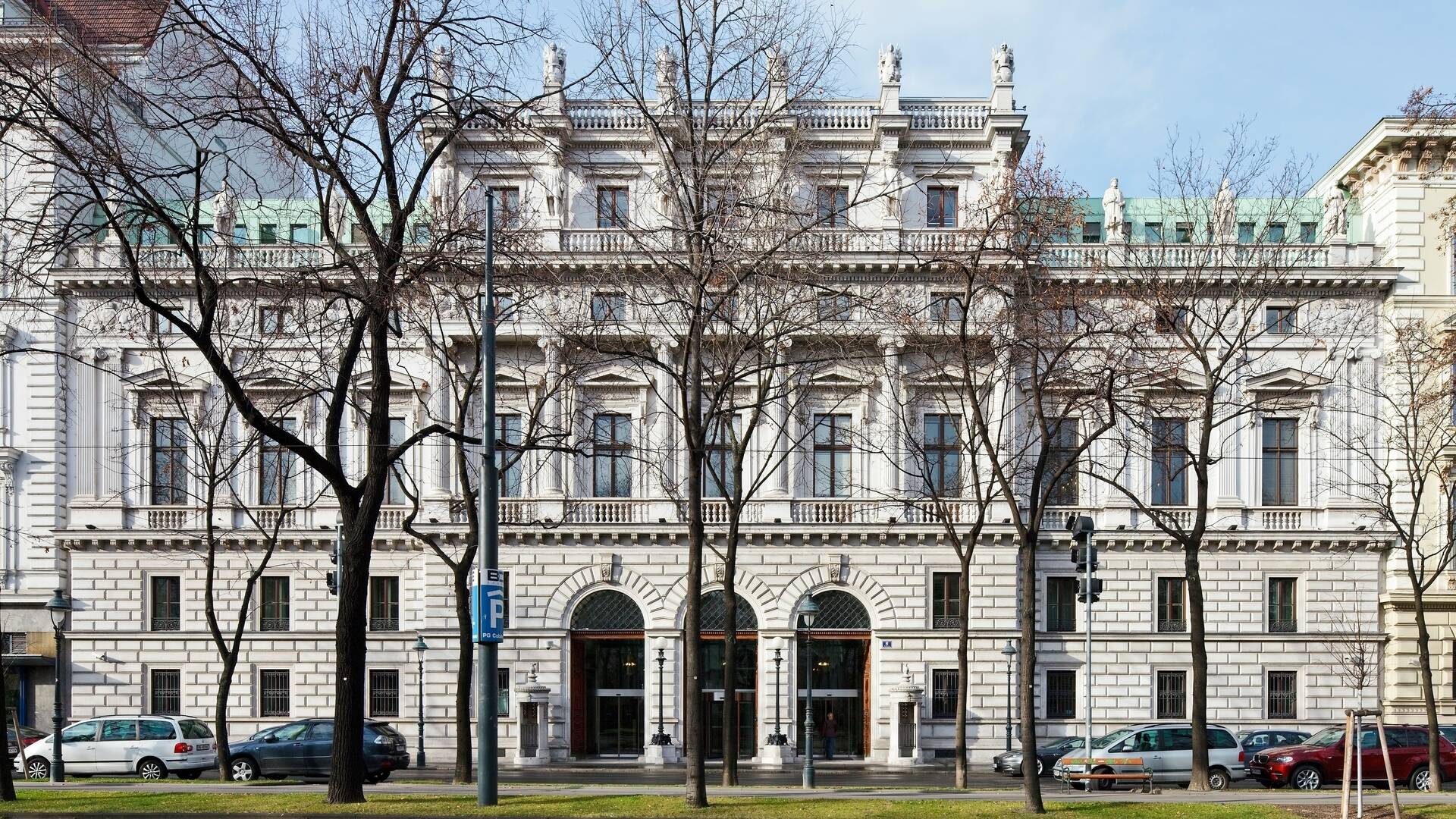
The 1970s was a period of unrest and upheaval, but also of awakening and hope. The world still lived in the shadow of the Cold War, dominated by two seemingly unassailable superpowers – the United States of America and the Soviet Union. Across Africa, the process of decolonialization continued apace with the end of white minority rule in several countries, including Mozambique, Angola and what is now Zimbabwe. The decade ended with the 1979 Islamic Revolution in Iran and the Soviet invasion of Afghanistan.
Meanwhile, another revolution was gathering momentum worldwide. In economics, the collapse of the post- 1945 Bretton Woods settlement caused severe disruptions, triggering high inflation and record unemployment in advanced economies. The shift away from a stable, regulated economic environment allowed the first blossoming of globalization, but at the price of greater market volatility. Globalization was also fueled by technological advances: In 1975, Microsoft was founded, and two years later, in 1977, the Apple II, the first mass-produced home computer, went on sale.
Global developments affected the countries allied in the Organization of the Petroleum Exporting Countries (OPEC), too. The dollar cost of crude oil had risen by less than 2 percent per year from 1947-1967 but increased dramatically in the following years. From 1970 to end-1974, the price of Saudi Light Crude rose from US$1.21 to about US$11. While this meant a huge inflow of revenue for oil-producing countries, it posed an enormous challenge for other countries.
Read the full story in our multipart series:
The Founding Years – The Shihata Era (1976-1983)
From the South, For the World – The Abdulai Era (1983-2003)
Venturing into New Frontiers – The Al-Herbish Era (2003-2018)
Transforming for the Future – The Alkhalifa Era (since 2018)