We use Cookies. Read our Terms
The History of the OPEC Fund: Venturing into New Frontiers – The Al-Herbish Era (2003-2018)
Part 4 of 5
Read the other parts of our History of the OPEC Fund series here.
When Suleiman J. Al-Herbish became Director-General of the OPEC Fund in November 2003, the institution had only recently marked the approval of its 1000th loan: It was a US$6.62 million financing of a vocational training project in Namibia, the first operation in the southern African country. The chairman of the Governing Board Saleh A. Al-Omair spoke of a “milestone on the path of the [OPEC] Fund’s growth.”
The world, however, was in turmoil. In retaliation for the 9/11 terrorist attacks in New York City in September 2001, the United States led a coalition of allies to invade Afghanistan. This was followed by the war in Iraq in 2003, further destabilizing an already highly volatile region and causing massive destruction and huge loss of human life.
During the decade 2000-2009, which came to be known as the “Noughties”, the world economy registered robust growth despite shocks like the wars in the Middle East and the dot.com crisis at the turn of the millennium. Investors’ glee, however, was short-lived and the world economy crashed into a financial and economic emergency triggered by the subprime mortgage crisis in the USA starting in 2007. Financial markets would eventually recover but even by the end of 2011, stocks were still only back to their late-1990s levels. This era is infamous as a “lost” decade for long-term investors. Not always is greed good.
Culturally, however, the Noughties are remembered more fondly: The world did not end on January 1, 2000 because of the Y2K “millennium bug”, Apple opened the iTunes Store in 2003, Facebook was founded in 2004, YouTube followed in 2005, Twitter in 2006 and the iPhone was launched in 2007, making Apple one of the world’s most valuable companies with a current market capitalization of US$4 trillion, marking the shift of economic power toward the technology industry (“Big Tech”).
In the developing world and emerging markets, the 2000s saw the rise of China and India driven by strong growth and the push for convergence with advanced economies. In 2010, China reported a GDP of US$5.8 trillion, leapfrogging Japan on US$5.4 trillion. Strong growth in large parts of Asia was mirrored in Africa where an average annual increase of 5 percent was hailed as “Africa Rising”, driven by soaring commodity prices, strong foreign direct investment and the expansion of the service sector. The strong performance at the beginning of the decade allowed many African countries to weather the 2008/09 financial crisis better than scores of Western countries.
The decade also saw an increased frequency of natural disasters. The new OPEC Fund leadership reacted swiftly with grant support when a tsunami shook the Indian Ocean in 2004 and a catastrophic earthquake hit Pakistan the following year. Earlier, the OPEC Fund had also provided an emergency grant to Austria in the wake of heavy flooding in 2002, following a request by Federal President Thomas Klestil.
Under the new leadership, the OPEC Fund also launched a series of initiatives to further widen its partnership network and increase its visibility and recognition. Project financing remained the backbone of its activities and included:
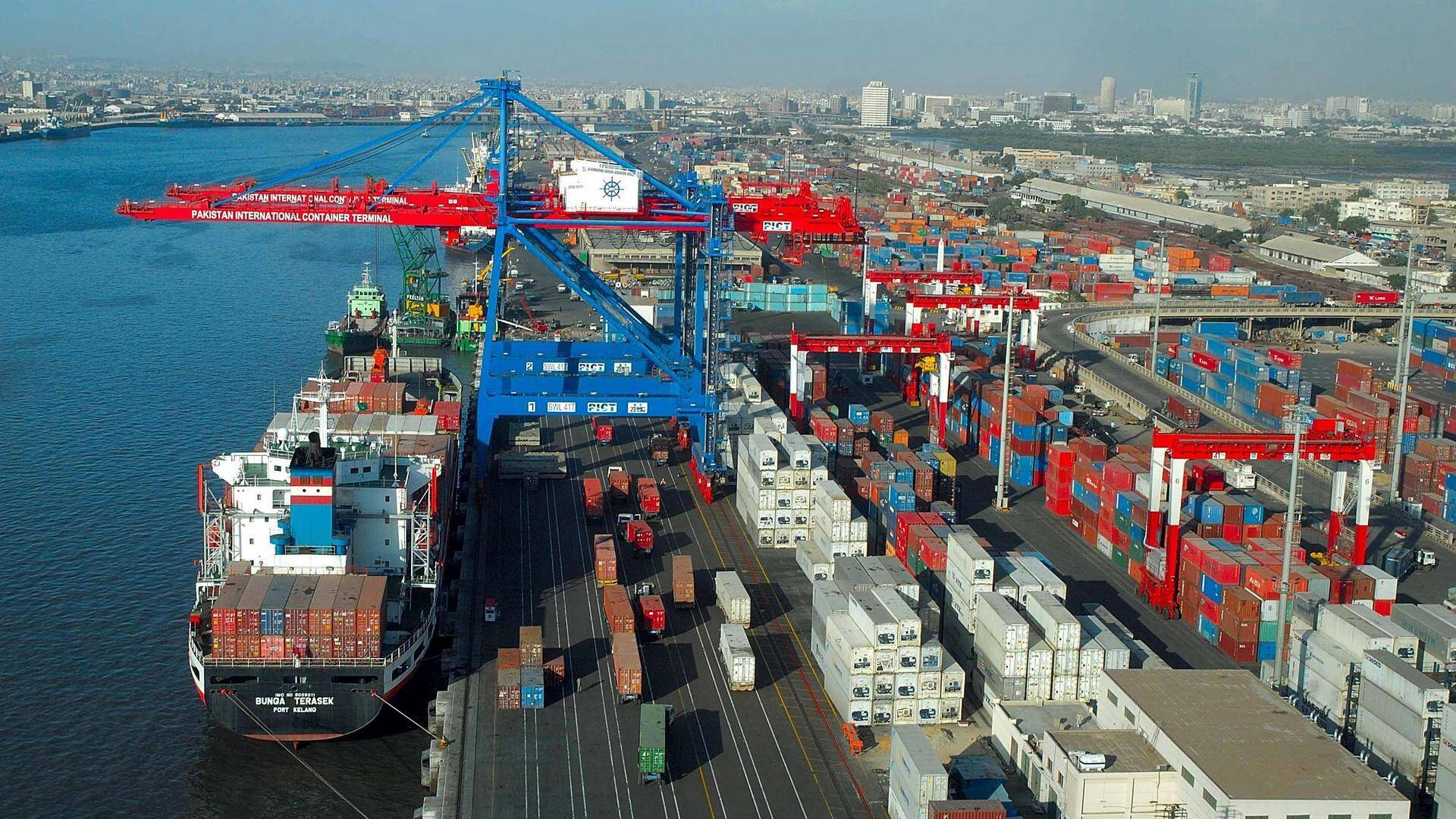
• 2003: First private sector loan of US$7.75 million in Pakistan for the development in Karachi of the Pakistan International Container Terminal.
• 2004: Develi Environmental and Irrigation Project, Türkiye: US$22.7 million to support an integrated irrigation and environmental program aimed at boosting agricultural productivity.
• 2005: US$5 million loan in support of the Agricultural Feeder Roads Rehabilitation Project, with the goal to improve road conditions to facilitate farmers’ access to markets.
• 2006: Launch of the Trade Finance Facility with first unfunded transaction for an import program in the Seychelles.
In addition to project loans, the OPEC Fund has long provided support for programs. The Social Fund for Development in Egypt was co-financed with a first US$25 million loan in 2009. The goal was to reduce poverty, boost entrepreneurial activities and enhance incomes. The OPEC Fund provided financing, technical assistance and training to micro and small enterprises and dedicated support to low-income families, entrepreneurs, small farmers and youth.
Khaled Al Zayer, who joined the OPEC Fund in 2007 as Country Manager and is now Strategy Advisor to the Vice President, Public Sector, remembers: “The project was a huge success. It created hundreds of thousands of jobs and had a revolving structure – borrowers repaid their loans, allowing new ones to be issued. We followed up with additional loans of US$40 million and later US$95 million, each time setting new records for project size. The model proved highly effective, helping micro-entrepreneurs grow into small and medium-sized businesses.”
The growing activities of the OPEC Fund were reflected in its results: As the institution marked its 30th anniversary in January 2006, the total development support extended stood at US$7.9 billion, to which the new Private Sector Operations had already contributed US$417.9 million.
To symbolize its “reinvention,” as the OPEC Fund magazine phrased it, the institution in 2006 also underwent a comprehensive rebranding with the introduction of the acronym OFID, the creation of a new logo, the subsequent adoption of the motto “Uniting against Poverty”, the new vision: “To aspire to a world where Sustainable Development centered on human capacity-building is a reality for all,” and the new mission statement: “To foster South-South Partnership with fellow developing countries worldwide with the aim of eradicating poverty.”
A key issue for the global development agenda was the question of energy security in times of growing environmental awareness. “It is OFID’s firm belief that human development and energy are inseparably linked,” Director-General Al-Herbish wrote in 2016. However, rapidly rising greenhouse gas emissions, to which fossil fuels were a sizeable contributor, and the impact on the global climate made the question of the right energy mix a central priority for sustainable development.
Faris Hasan, who served as Director of Strategic Planning until 2020, looks back: “What’s the most important thing for the OPEC Fund? It’s energy. And if you recall, the Millennium Development Goals did not address energy at all. So we interacted with the UN, went to many conferences and appealed to many to join us in the effort to put energy as a priority. In doing so we were aiming at the poor.”
Energy is an indispensable engine of growth and development and, due to their own history as producers and exporters of fossil fuels, OPEC Fund member countries were highly conscious of the importance of access to energy. The OPEC Fund addressed this challenge head-on and made “eradication of energy poverty” one of its top priorities by launching the Energy for the Poor Initiative in 2008, combining advocacy with project financing.
In the following years, the OPEC Fund became one of the driving forces for the recognition of energy access as one of the key development goals: While “energy poverty” was not included in the Millennium Development Goals (2000- 2015), “access to affordable, reliable, sustainable and modern energy for all” was eventually recognized as Sustainable Development Goal 7 under the 2030 Agenda.
Operationally, the OPEC Fund converted its initial US$1 billion to Energy for the Poor into a revolving pledge in 2013 and increasingly expanded the scope of its work to include renewable and climate-friendly solutions. Special resources were dedicated to study the energy-water-food nexus under the conditions of climate change and environmental degradation. When the UN declared the period 2014-2024 as the Decade of Sustainable Energy for All with the Sierra Leonean economist, minister and UN official Kandeh Yumkella as Special Representative, the OPEC Fund offered its full support.
And again it delivered: From November 2007 to the end of 2016 the OPEC Fund approved more than US$2.9 billion for energy operations in 71 countries. Projects included the construction and rehabilitation of energy infrastructure, institutional strengthening, research funding and the provision of low-cost grassroots solutions. Faris Hasan: “We tried to combine three goals: energy efficiency, involving renewables and supporting the poor.” A joint initiative was launched with the Shell Foundation to enhance access of rural populations to safe, clean and affordable energy.
The growing success of renewables as a viable and sound alternative to traditional fuels is also reflected in the OPEC Fund’s sector portfolio: To date, the institution has provided US$4.8 billion in the energy sector, including 71.8 percent in the public and 27.1 percent in the private sector, of which around one-third has been spent on renewables.
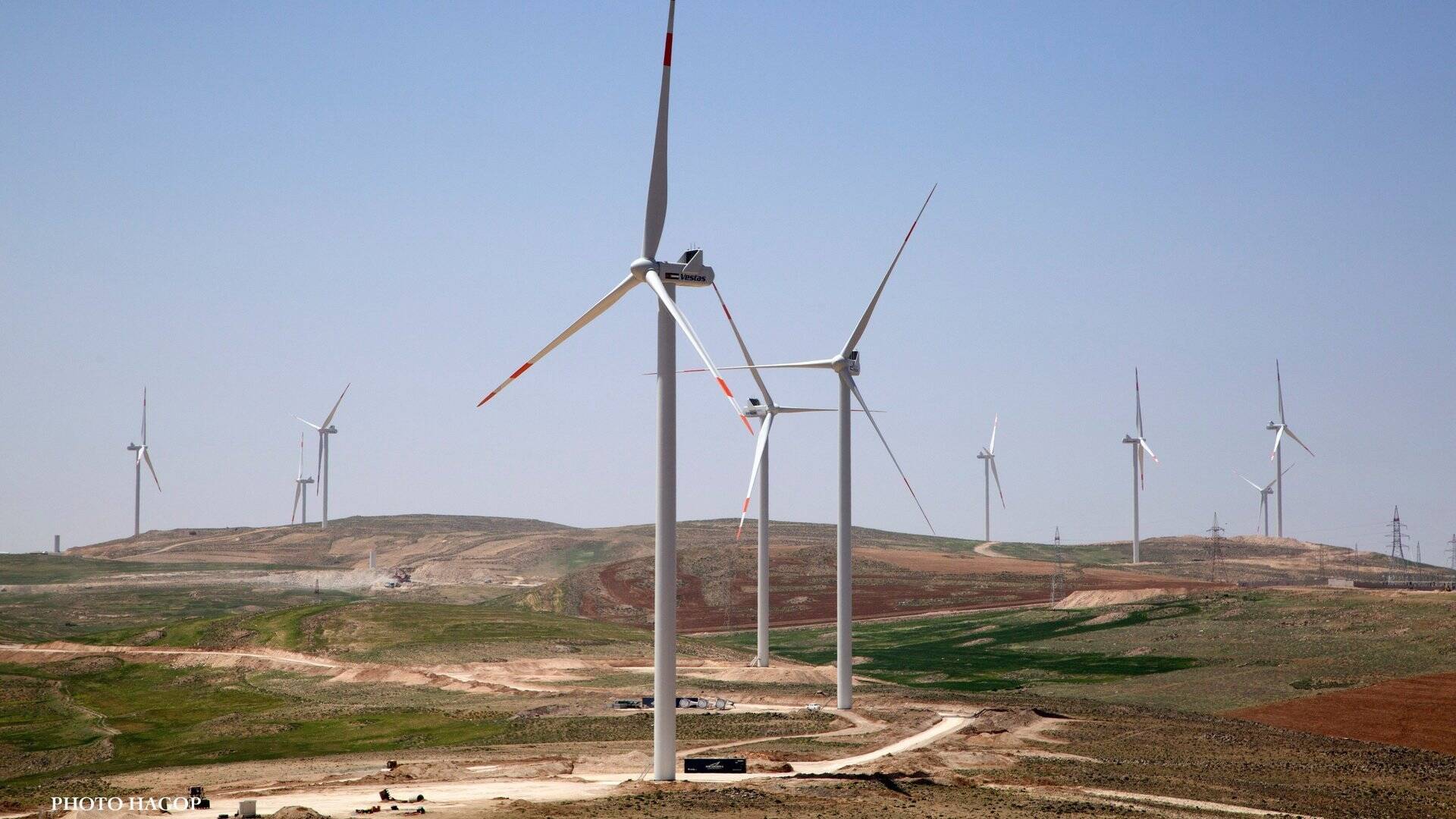
One example from this period is the Tafila Wind Power Plant in Jordan, first financed by the OPEC Fund in 2013 with US$20 million. The 117 MW facility powers more than 80,000 homes and has cut CO2 emissions by 235,000 tonnes annually. Samer Judah, Executive Chairman of the developer Jordan Wind Project Company, says: “The Tafila wind farm was the first and largest privately sponsored utility–scale renewable energy project in the Middle East. It is a landmark project which led the way and opened the door to more than US$4 billion of investment in the country.”
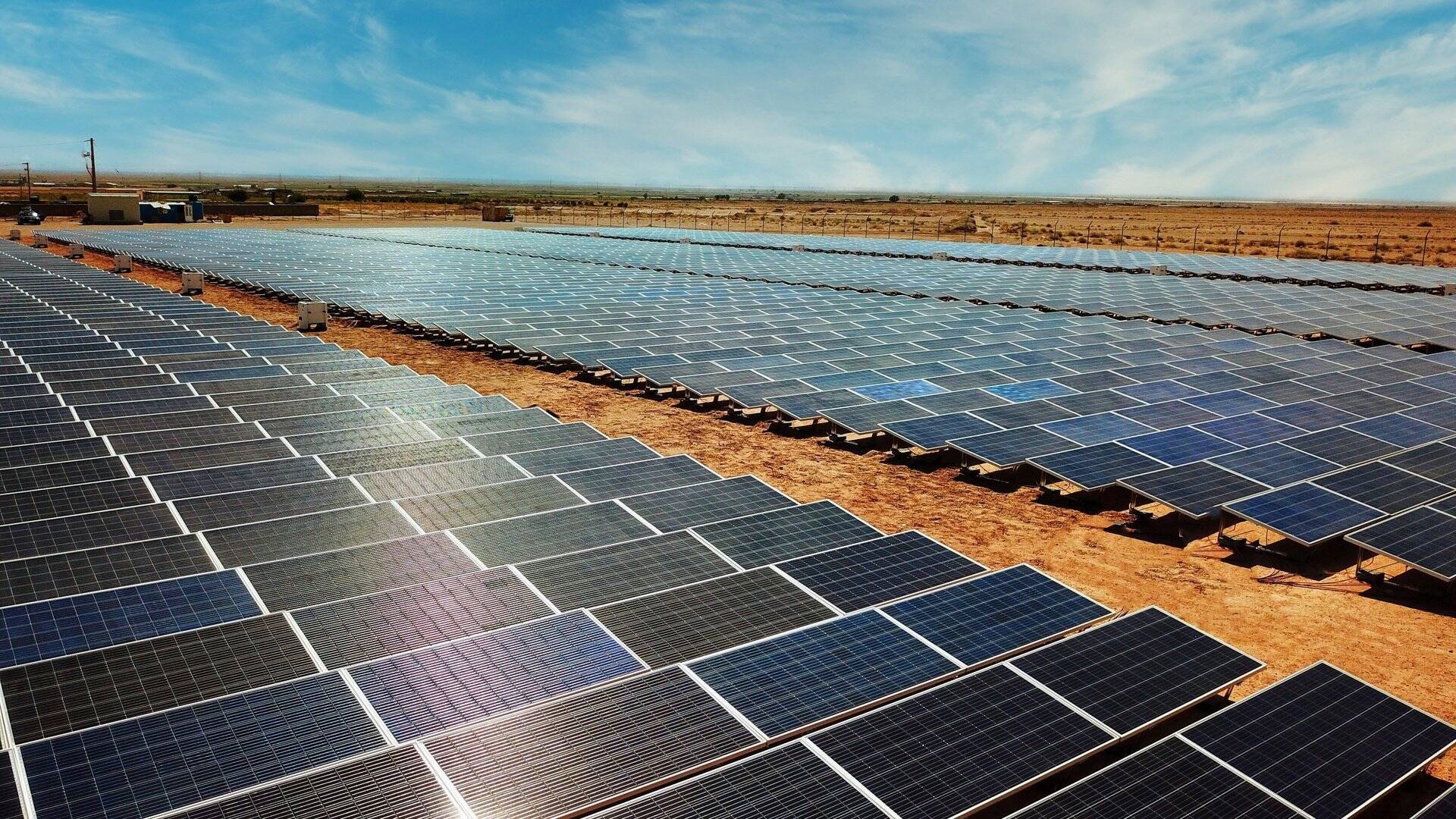
More OPEC Fund renewables projects in Jordan followed swiftly: In 2014, the OPEC Fund co-financed the solar photovoltaic plants Falcon Ma’an Solar Power and Jordan Solar One. This was followed in 2017 by a US$17 million loan to the 200 MW Baynouna Solar Plant, the largest single solar project in Jordan, developed by the UAE conglomerate Masdar and powerful enough to supply 360,000 homes with energy.
It was in this period that working with financial institutions became increasingly important for the OPEC Fund also in its mission to fight poverty and create sustainable living conditions. “Poverty is not a natural condition. It is man-made and can be overcome and eradicated by the actions of human beings,” Director- General Al-Herbish said in 2013.
In some cases, namely emergencies, fighting poverty requires the rapid deployment of aid. But overcoming poverty by eradicating its root causes takes a more structured and in-depth approach, as expressed in the famous saying: “Give a man a fish, and you feed him for a day; teach him how to fish, and you feed him for a lifetime.”
Working with local banks and microfinance institutions allowed the OPEC Fund to substantially increase its activities and impact where it matters most – in its more than 125 partner countries across the world. Partnerships on the ground made it possible to provide much-needed access to finance for micro, small and medium-sized enterprises (MSMEs), which drive the economies of most developing countries.
A recent engagement is the OPEC Fund’s cooperation with Evocabank, an Armenian commercial bank established in 1990 and privately owned. The bank is ranked among the top 10 banks in Armenia and specifically serves local MSMEs. Following a first US$10 million loan for on-lending in 2024, the OPEC Fund arranged a US$30 million syndicated loan facility in 2015, contributing US$10 million as A-lender and mobilizing US$20 million from the European Fund for Southeast Europe (EFSE) and the Green for Growth Fund (GGF). The funding expands Evocabank’s lending capacity and supports climate-related investments to strengthen Armenia’s private sector and foster sustainable economic growth.
To date, the OPEC Fund has approved more than US$3 billion to financial institutions, the vast majority of which (81 percent) with the private sector and the remainder (19 percent) earmarked for the public sector. Nearly three-quarters of the total was deployed in Africa (39 percent) and Asia (34 percent).
A key activity is the provision of finance to MSMEs in partner countries through local financial institutions. A vibrant economy needs a strong financial sector. This approach allows the OPEC Fund to reach recipients on the ground without having a local presence. It facilitates access to finance for enterprises and supports their growth for the benefit of the wider economy. And it supports institution building through knowledge transfer and technical assistance.
While no grants were deployed to partner financial institutions, the instrument played an important role in other areas, for instance humanitarian aid.
The OPEC Fund has long provided assistance to people who are forced to flee conflict and destitution. The partnership with the UN Relief and Works Agency for Palestinian Refugees in the Near East (UNRWA) started in 1979 and supported education, vocational training, emergency relief and humanitarian aid programs in the Palestinian territories. Another key partner since 1984 has been the UN High Commissioner for Refugees (UNHCR) with support for operations in Africa and Asia. A grant agreement in 2005 sealed cooperation with the United Nations Children’s Fund (UNICEF).
In recent years, the OPEC Fund has strongly increased its partnership with the International Federation of Red Cross and Red Crescent Societies, for instance after the earthquakes in Türkiye and Syria in February 2023 and in Morocco in the same year.
Grants have played an important role in supporting research and mobilizing the latest developments in science. Long before the world talked about “Agriculture 4.0” the OPEC Fund started supporting attempts aimed at increasing crop yields and improving productivity to fight hunger, malnutrition and poverty.
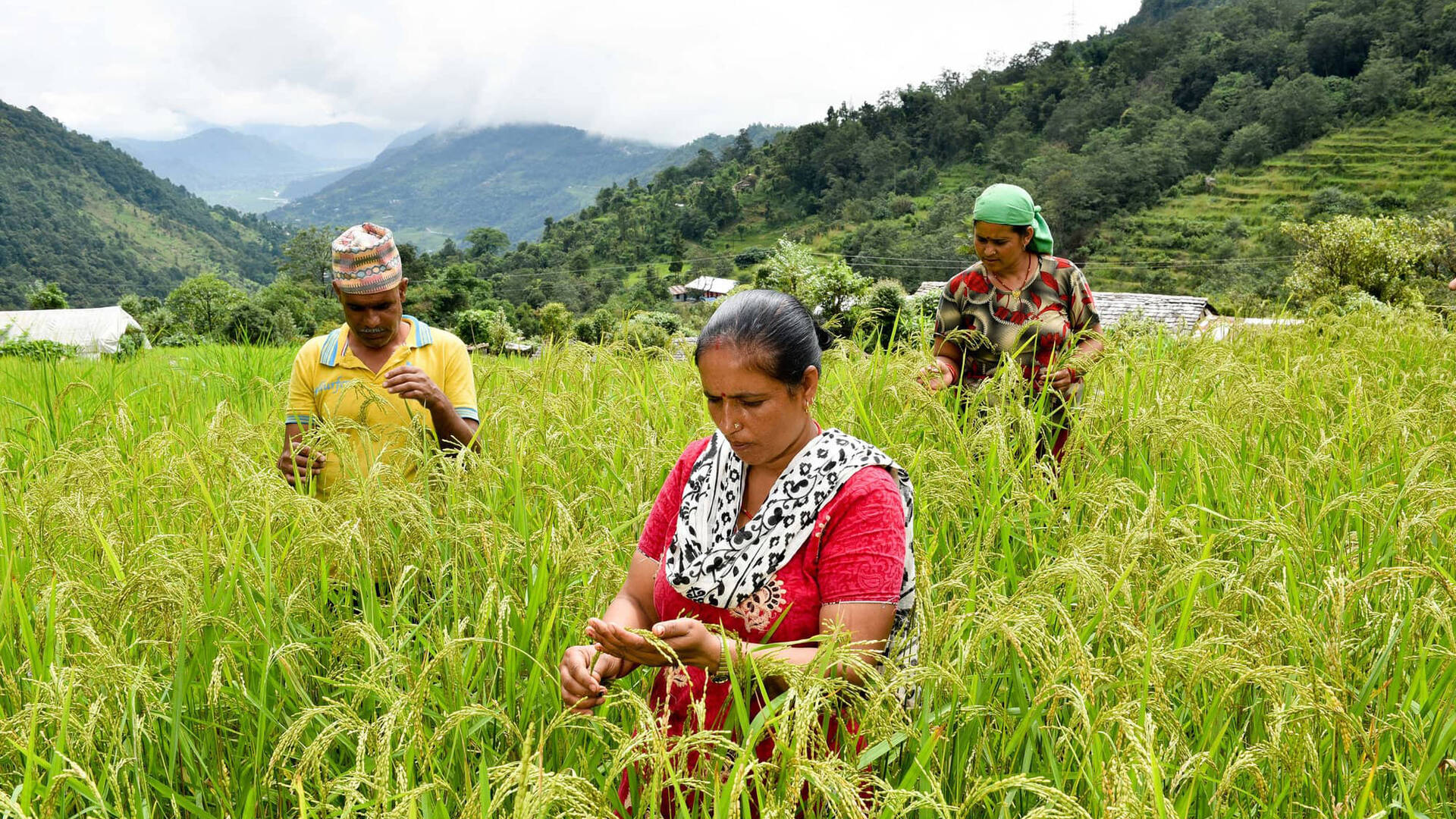
The Consultative Group on International Agricultural Research (CGIAR), founded in 1971 and dedicated to increasing the quality and quantity of food production in developing economies through research, training and technical assistance to national agricultural research systems, was a natural partner for the OPEC Fund. Cooperation started in 1979 and to date the OPEC Fund has approved US$23 million in grant assistance to CGIAR’s agricultural research centers for 130 projects.
The OPEC Fund continues to support research with grant contributions. A close partner since the 2000s is the International Atomic Energy Agency (IAEA) with a total of almost US$3 million in 15 grants provided to date. The two institutions signed a Memorandum of Understanding (MoU) in October 2025, expanding their cooperation to include nuclear power and related energy applications to advance sustainable development and energy security. The IAEA’s Atoms4Food initiative helps countries boost food security via nuclear techniques. Meanwhile, the IAEA Rays of Hope program supports the fight against cancer by supporting the establishment and expansion of radiotherapy services.
When the OPEC Fund was founded in 1976, the global population stood at 4.14 billion. By the time the institution marked its 40th birthday in 2015, it had grown to 7.3 billion. The steep increase continues and has become a source of serious challenges for education, food security, job creation and urbanization, among other areas.
Mindful of the key importance of education, vocational training and skills enhancement for empowering communities, strengthening inclusion and enabling sustainable development, the OPEC Fund has always placed special emphasis on its activities in the field. To date, the institution has supported the education sector with US$1.5 billion in loan and grant approvals across 500 projects, of which 95 percent were in the public sector.
The first engagement was a US$3.3 million loan to the Technical Education Project in Papua New Guinea signed in 1982. The OPEC Fund’s financing included the creation of adequate infrastructure, for instance through the construction of school buildings, as much as the funding of designated training programs. Most recently, the OPEC Fund’s growing activity in Central Asia has also yielded results in the education sector of Uzbekistan.
The OPEC Fund also supported education activities with a grant agreement in 2005 which sealed the cooperation with the United Nations Children’s Fund (UNICEF). The increased partnership with UN agencies was recognized a year later, when the United Nations granted the OPEC Fund UN Observer status. This allows the organization to participate and speak in the UN General Assembly without voting rights. The International Committee of the Red Cross, for example, has the same status.
Also in 2006, the OPEC Fund launched its Annual Development Award for exceptional achievements in global development. Among the diverse global awardees is the 2008 Nobel Peace Prize Laureate, Muhammad Yunus.
A year after the launch of the Development Award, the OPEC Fund also initiated a Scholarship Program, supporting outstanding young individuals from developing countries to pursue graduate studies in a development-related field. In 2015, the OPEC Fund launched its Young Professional Development Program to prepare the next generation of member country nationals for careers in international development.
The period 2003-2013 was described by the OPEC Fund as a “decade of transformation” with a significant increase in business volume and external recognition: Public sector loans more than doubled during the Al-Herbish era, private sector loans increased sevenfold and US$350 million was provided in trade finance within only six years. A new blended finance window was created in 2004 in response to growing demand from partner countries.
In addition, the OPEC Fund intensified its outreach and advocacy work. This included the Energy Poverty Initiative, working with partner countries and peer institutions towards the Millennium Development Goals, fulfilling obligations under the HIPC Initiative, involvement in international movements to boost development effectiveness, including High-Level Forums in Paris, Accra and Busan, and supporting Arab countries in transition through the Deauville Partnership.
In 2015, the United Nations adopted the 2030 Agenda with 17 Sustainable Development Goals (SDGs), replacing the Millennium Development Goals (MDGs) and lifting energy from the “missing ninth MDG”, as it was widely called, to SDG 7 – one of the key questions for years to come. OPEC Fund Director-General Al-Herbish welcomed the decisions: “The SDGs will usher in a new understanding of universal development and hopefully new cooperation agreements that include the eradication of poverty – the absolute enemy of human development.” But he also warned: “The time for advocacy and consensus-building is closing and the time for decisions is fast approaching.”
In the following years, the OPEC Fund further ramped up its engagements. By the time Director-General Al-Herbish retired in October 2018, the OPEC Fund had seen significant growth with cumulative commitments rising from US$7 billion to US$22.4 billion in the period 2003-2018. In his farewell speech, Mr. Al-Herbish referenced the institution’s campaign for the eradication of energy poverty and said: “Today, OFID is more than a lending institution. I am proud to assert that through our continuous presence and active engagement in the sustainable development arena, OFID has become a main player in shaping the global development agenda.”
Highlights from the era
Suleiman J. Al-Herbish
Suleiman Jasir Al-Herbish was born in Saudi Arabia in 1942 and holds a BA in Economics and Political Science from the University of Cairo and an MA in Economics from Trinity University, Texas. Before becoming the third Director-General of the OPEC Fund in November 2003, he had served as Governor of Saudi Arabia at the OPEC Fund.
Under his leadership (2003- 2018) the OPEC Fund substantially expanded its operations and became a leading advocate for combatting “energy poverty.” Operations increased and with numerous public engagements he raised the profile of the institution. At the time of his retirement, the OPEC Fund’s portfolio had grown to US$20 billion.
The OPEC Fund and Austria
Vienna, the capital of Austria, has been the host city of the OPEC Fund since the establishment of the institution in 1976. Following the signing of the Headquarters Agreement with the Austrian government in April 1981 and the purchase of the Palais Erzherzog Wilhelm, the OPEC Fund moved into its new premises. The location along Vienna’s most famous boulevard, the Ringstrasse, allowed for the swift and seamless integration in the host city and country.
The OPEC Fund conducts its business exclusively from its Vienna Headquarters. In response to a significant increase in activity the institution expanded its office space with the acquisition of the adjacent Palais Colloredo-Mannsfeld. After extensive renovation the building was reopened in June 2024.
The excellent relations between the OPEC Fund and Austria are not only documented by frequent high-level exchanges. The OPEC Fund also works with Austrian enterprises and banks as well as development agencies such as the Austrian Development Agency (ADA) and think tanks in pursuit of its mission. The former Managing Director of ADA, Friedrich Stift, says about the cooperation: “Together we have achieved great success. Needless to say, we would be pleased to explore areas for further cooperation.”
But Vienna is more than a place of work for the people of the OPEC Fund. By now, generations of employees have found a new home here, sent their children to Austrian schools and made their host community their home community.
Demonstrating its gratitude to its host country, the OPEC Fund provided a US$200,000 grant via the Austrian Red Cross after heavy flooding had hit the country in 2002.
The organization is also a regular donor to the “Licht ins Dunkel” charity campaign, a sponsor of the Vienna City Marathon and in 2016 dedicated a monument outside the Vienna International Center “für Wien… a lasting ‘thank you’.”
Social Fund for Development in Egypt
A 2010 World Bank Impact Evaluation report concluded: “Since its inception, it has disbursed about US$2.5 billion, of which nearly two-fifths was devoted to supporting microcredit and financing community development and infrastructure.
The authors find that the Social Fund’s programs have had clear and measurable effects, in the expected direction, for all of the programs considered: educational interventions have reduced illiteracy, health and potable water programs have lowered household spending on health, sanitation interventions have cut household spending on sanitation and lowered poverty, and road projects have reduced household transportation costs by 20 percent. Microcredit is associated with higher household expenditures in metropolitan areas and urban Upper Egypt.
The road projects generate benefits that exceed the costs as do health and potable water interventions; this is less evident for interventions in education and sanitation. The Fund’s support for microcredit is strongly pro-poor.”
Energy and development
Energy is the lifeline of a modern economy and a foundation for development. Yet according to a 2024 paper by the United Nations Development Programme (UNDP), at least 1.18 billion people are energy poor across the developing world. That total is 60 percent higher than the official global estimate of 733 million lacking electricity access. The World Bank says that annual investment in electricity generation in developing countries needs to more than double by 2035 – from US$280 billion today to US$630 billion.
Equal Dreams
On the occasion of the OPEC Fund’s 40th anniversary, the institution launched the Equal Dreams campaign in 2016 to highlight the fact that 50 percent of refugees are children. In partnership with the initiative Child of Play, a series of activities drew attention to the rights of children involving 350 children living in a refugee camp in Jordan. In the same year, the OPEC Fund also hosted the “Refugee Heroes” session at the One Young World Summit in Ottawa, Canada.
Amret Microfinance Institution in Cambodia
Amret provides financial services – including small loans (microfinance), SME loans, savings, payments/transfers – to the rural population, farmers, small businesses and underserved households. Loans are typically used to finance agricultural activities, notably crop production, animal husbandry, fishing and palm sugar production. A second business activity is lending to small enterprises.
The OPEC Fund provided a US$1.5 million microfinance loan in 2015 to enable Amret to expand its services into two new provinces, diversify its funding sources and decentralize some of its operational and financial management to the provincial level.
Amret was established in 1991 and obtained its microfinance license in 2001. Over time, it has grown to become one of the top financial institutions in Cambodia, with large reach among rural communities.
The OPEC Fund deepened its engagement with a second line of credit (approved in June 2007) for US$4 million aimed at expanding microfinance services to micro and small enterprises across Cambodia, promoting employment creation, economic benefit, poverty reduction. The OPEC Fund’s support played a critical role in enabling Amret to expand, increasing credit access for rural households and SMEs, enhancing financial inclusion.
In Cambodia, especially in rural areas, many citizens and small businesses have only limited access to banking and finance. Microfinance institutions like Amret fill a vital gap. By supporting such an institution, the OPEC Fund contributed to financial inclusion, poverty alleviation, support for agriculture and small businesses.
CGIAR and the OPEC Fund
The Consultative Group on International Agricultural Research (CGIAR), founded in 1971, is the world’s largest publicly funded agrifood research network. Comprising 15 research centers, CGIAR’s work focuses on improving human health, enhancing ecosystem resilience and developing agricultural innovations.
The OPEC Fund’s involvement with CGIAR goes back to 1979 when grants were extended to two of the group’s oldest institutions, the International Center for Agricultural Research in the Dry Areas (ICARDA) and the West African Rice Development Association (WARDA). The first ICARDA grant of US$1 million was used for the Barley Research Development Program and the Soil Water and Research Nutrients Program.
The OPEC Fund extended several more grants for the barley project, which enabled ICARDA to extend its research activities, develop improved varieties of barley seed and distribute them to new areas where dry conditions made cultivation difficult. The first US$400,000 grant to WARDA was used for a project to help West African nations achieve self-sufficiency in the vital area of rice production in the shortest possible time by improving rice varieties and quality.
The OPEC Fund also supported a project by the International Crops Research Institute for Semi-Arid Tropics (ICRISAT) for improving groundnut production and establishing sustainable farming systems in Asia and a project by the International Potato Center (CIP) to help resource-poor potato farmers in Latin America develop integrated crop management strategies.
The most recent assistance was the provision of three grants for a total amount of US$1.15 million to the Enhancing Food Security in the Arab Region Program in 2017, when the Arab Fund for Economic and Social Development, the Kuwait Fund for Arab Economic Development, the Islamic Development Bank, the OPEC Fund for International Development, the Gates Foundation and ICARDA joined forces to improve the wheat production in the MENA region.
Uzbekistan: Preschools for 30,000 children
Joining a project co-financed by the Islamic Development Bank and private sponsors, the OPEC Fund in 2024 provided the Uzbek government with a US$20 million loan to set up 200 state-of-the-art preschools for 30,000 children in urban and rural areas. A quarter of places are reserved for children from low-income and socially vulnerable families, who are being enrolled on a priority basis.
In parallel, the project is improving the quality and management of preschool education – revising curricula, materials and methodologies while also reforming teacher training with a stronger focus on evidence-based approaches. Further benefits include more jobs in teaching and childcare, particularly among women, as well as long-term contributions to national human capital.
Uzbekistan, known as the “Land of the Blue Domes” for its many mosques and madrassas, is now the most populous country in Central Asia. With well over 35 million people, it is home to almost half the region’s total population. It is also a very young country, with close to a third of the population under the age of 14 and around 10 percent under 7 years of age.
The Deauville Partnership
The Deauville Partnership with Arab Countries in Transition was an international effort launched by the G8 in Deauville, France in 2011 to support countries in the Arab world engaged in transitions toward “free, democratic and tolerant societies.” Leaders recognized the progress achieved in a number of countries undergoing transition and committed to maintaining their support in four key areas: stabilization, job creation, participation/governance and integration.
The Partnership included Canada, Egypt, the European Union, France, Germany, Italy, Japan, Jordan, Libya, Kuwait, Morocco, Qatar, Russia, Saudi Arabia, Tunisia, Türkiye, the United Arab Emirates, the United Kingdom and the United States. It also included international financial institutions and organizations committed to supporting reforms in Egypt, Jordan, Libya, Morocco and Tunisia.
In addition, an IFI platform was formed including the African Development Bank, the Arab Fund for Economic and Social Development, the Arab Monetary Fund, the European Investment Bank, the European Bank for Reconstruction and Development, the International Finance Corporation, the International Monetary Fund, the Islamic Development Bank, the OPEC Fund for International Development and the World Bank.
Grand Decoration in Gold
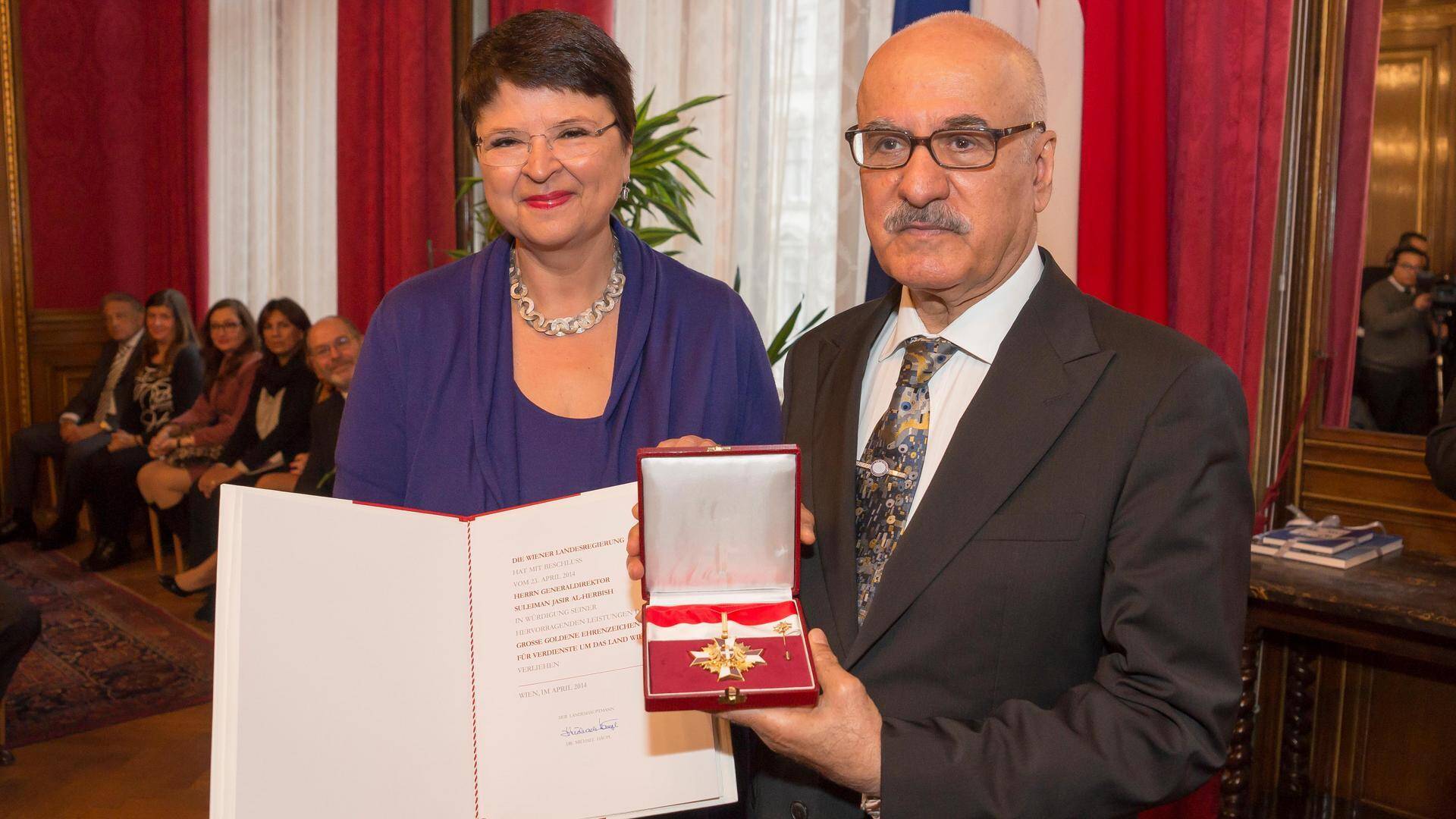
Marking the pinnacle of a life of achievements, in January 2015 Director-General Al-Herbish was awarded the Grand Decoration in Gold for the Meritorious Service to the Province of Vienna in recognition of his contribution to the Austrian capital.
The award is one of the highest decorations of the City and Province of Vienna. Laudator Oliver Rathkolb, a prominent history professor, praised OFID’s numerous grant contributions that helped support the activities of Austrian NGOs.
The laureate responded: “This recognition holds a very special place in my heart because it comes from the city that I love dearly,” Al-Herbish stated. “Ich bin ein Wiener.”