We use Cookies. Read our Terms
The History of the OPEC Fund: From the South, For the World – The Abdulai Era (1983-2003)
Part 3 of 5
Read the other parts of our History of the OPEC Fund series here.
He was succeeded by Y. Seyyid Abdulai, who took the helm at the OPEC Fund on August 1, 1983. It was a period when the first tremors of seismic geopolitical shifts were felt. Communism in Europe had entered a decade of decay that would be its last. When Mikhail Gorbachev became Soviet leader in 1985 he embarked on an ambitious reform program; yet the real state of one of the world’s two superpowers was laid bare a year later by the 1986 Chornobyl nuclear accident.
In the Middle East, Iran and Iraq eventually reached a ceasefire agreement in 1988. One year earlier, in 1987, the first Intifada had erupted in the Jabila refugee camp in the northern Gaza Strip. The subsequent 1993 Oslo Accords ultimately failed to bring the Israeli-Palestinian conflict to a step-by-step resolution.
The global development agenda was also affected by events elsewhere. In 1982, Argentina invaded what it calls the Malvinas, prompting a military response from the United Kingdom which did not accept the loss of the Falkland Islands, a British Overseas Territory. While the arms race between East and West devoured enormous resources, reducing the fiscal space of even the wealthiest nations, the birth of the Internet in 1983 announced the start of a new age.
The first immediate crisis confronting the new OPEC Fund leadership was the famine in Ethiopia, which affected 7.5 million people from 1983 to 1985. Despite global solidarity (the 1985 Live Aid concert raised over US$125 million, equaling US$390 million today) up to 1.2 million people lost their lives, 2.5 million were internally displaced, 400,000 refugees fled the country and 200,000 children were orphaned.
The OPEC Fund responded with a significant expansion of agricultural projects in all regions and at all levels. The institution financed investments in rural infrastructure, especially routes that connect farmers to markets, the development of production and storage facilities, trade in agricultural goods, but also training, capacity and institution building. In recent years, the empowerment of women and youth, as well as climate change mitigation and adaptation strategies, became additional focus areas. Anajulia Taylhardat, former OPEC Fund Director of Coordination and Planning for Public Sector Operations, says: “Agricultural development is at the heart of sustainable development and is one of the most powerful tools to foster economic and social well-being.”
To date, the OPEC Fund has approved more than 600 loans and grants in agriculture for a total of US$3.5 billion, representing almost 12 percent of its total investments. Of this total, US$2.1 billion was dedicated to projects in Africa, US$737 million to Asia, US$433.8 million to Latin America and the Caribbean and US$188.9 million to other regions. The vast majority were public sector loans (93 percent), followed by private sector and trade finance (3 percent) and grants (4 percent).
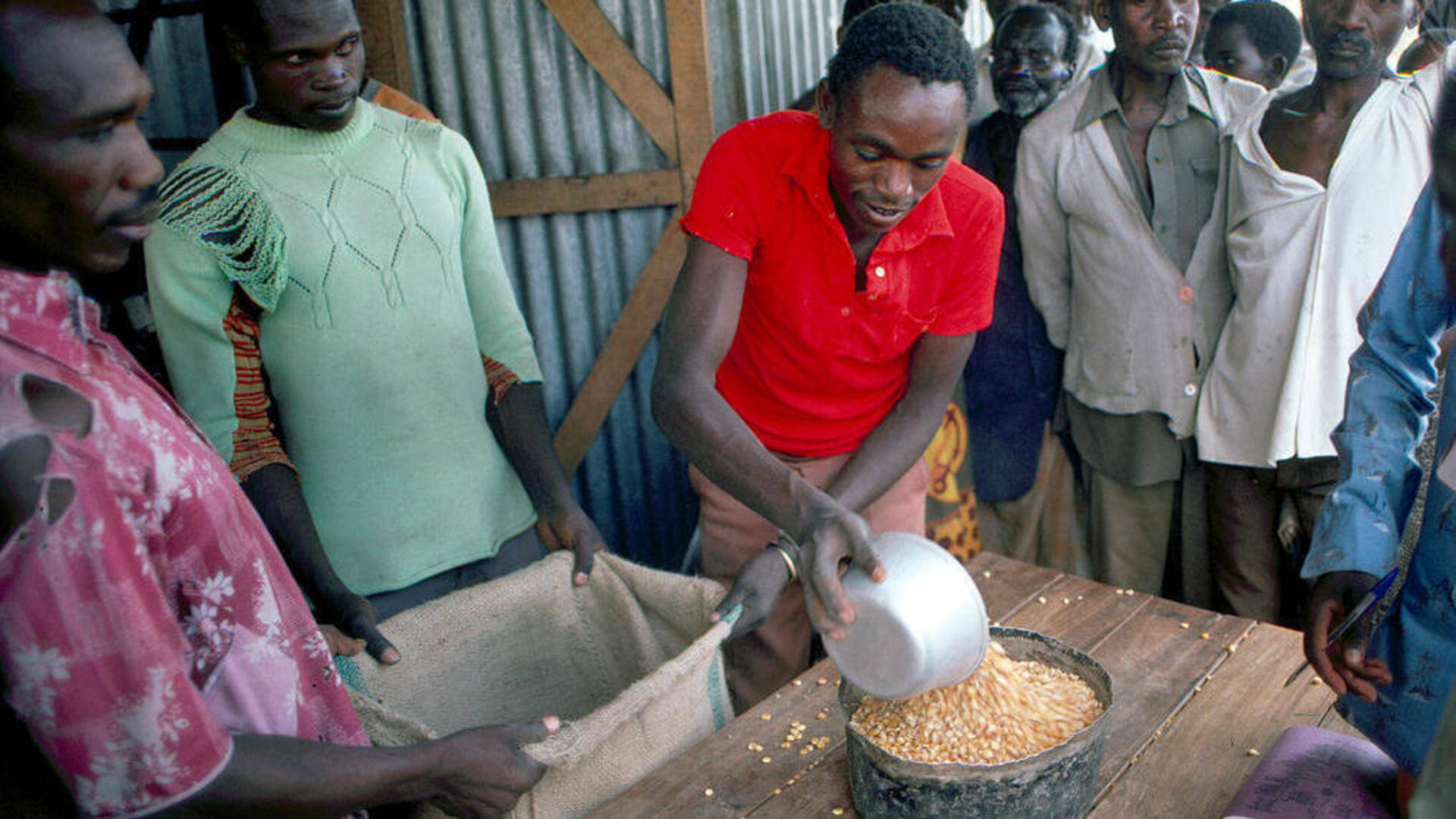
The economic structure of agriculture in many developing countries often makes it difficult to attract investment, even when it is long-term concessional finance. Instead, grant financing is all the more important and is especially relevant in the case of small-scale projects and emergencies.
This is demonstrated by the role grants played in the OPEC Fund’s support of food security. A first example was a US$25 million food aid grant in 1981 to the International Emergency Food Reserve through the UN World Food Programme (WFP) for the benefit of Mauritania, Pakistan, Bangladesh, Ethiopia, Somalia, Sri Lanka and Tanzania. The program managed standby food aid pledges to respond to emergencies caused by natural disasters, war and other cases of urgent need.
In later years, the OPEC Fund also provided grant support to larger programs. When Sub-Saharan Africa faced severe food shortages in the early 2000s, the OPEC Fund set up a Special Food Aid Account with US$20 million to finance rapid delivery of wheat, maize and vegetable oil to countries including Eritrea, Ethiopia, Lesotho, Malawi, Mauritania, Mozambique, Swaziland, Zambia and Zimbabwe. A total of 45,000 tonnes of food – in the form of wheat grain, maize, corn-soya blend, vegetable oils and pulses – was distributed to affected communities throughout these countries.
An important transfer mechanism for the provision of food and other essential goods was the Common Fund for Commodities, which helped to stabilize prices in the most vulnerable and exposed countries. Of the 18 commodities covered, two-thirds were agricultural. The OPEC Fund approved 35 grants totaling US$37.2 million to cover the subscriptions of the Common Fund’s 31 least developed and four low-income countries. In addition, the OPEC Fund provided US$46 million to the Common Fund directly.
After years of negotiations the Common Fund, an autonomous intergovernmental financial institution within the framework of the United Nations, approved its first commodity development project in 1991. It is still operational and continues to fund commodity-oriented projects.
Health is closely connected with nutrition and personal well-being and from the very beginning the OPEC Fund made support for healthcare a focus of its operations. It signed its first grant in the sector with a contribution to the International Center for Diarrhoeal Disease Research in Bangladesh in 1979 which in later years would also attract support from the Gates Foundation.
The first hospital co-financed by the OPEC Fund also was in Bangladesh. The Shaheed Suhrawardy General Hospital Complex and Dhaka Dental College is a 50-bed complex in the country’s capital and largest city and was supported by the OPEC Fund with a US$10 million loan. The latest hospital infrastructure project is for the construction of a full-scale hospital in the Comoros, with a US$17 million loan signed in 2024.
To date, the OPEC Fund has invested US$1.2 billion in health, of which 77 percent were public sector loans, 10 percent were private sector loans and 13 percent were grants. The high share of grants is also explained by the fact that a significant proportion goes to the funding of research, a crucial area for improving health and medical care.
The cooperation with the Carter Center, which started in 1997, has included donations of over US$1.8 million to the Guinea Worm Eradication Program, the Onchocerciasis Elimination Program for the Americas, the Ethiopia Public Health Training Initiative and trachoma control in Mali and Niger. Four decades ago, Guinea worm disease afflicted an estimated 3.5 million people every year in 21 countries in Africa and Asia. Today, thanks to the joint efforts spearheaded by the Carter Center, Guinea worm disease incidence has been reduced by more than 99.99 percent – to 15 human cases in 2024.
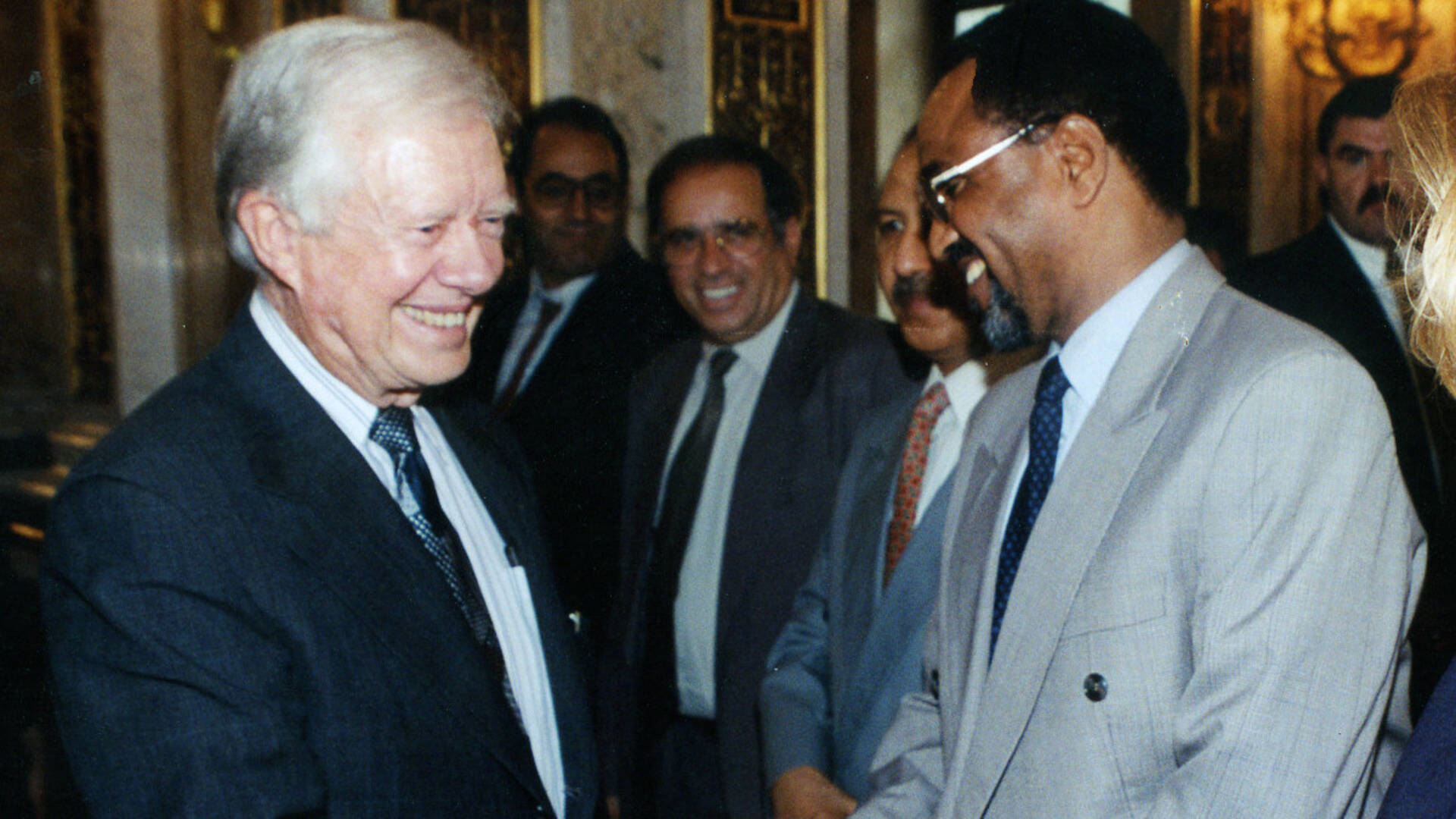
The late US President Jimmy Carter expressed his gratitude with a visit to the OPEC Fund Headquarters in Vienna in 1998, and the honor was returned when then OPEC Fund Director-General Al-Herbish visited the Carter Center in Washington, DC in 2010.
The OPEC Fund was also at the forefront when the world faced diseases like HIV/AIDS, Ebola and, most recently, the COVID-19 pandemic. In response to the devastating HIV/AIDS epidemic, the institution set up a dedicated account in 2001, joining forces with leading international aid and medical agencies to provide US$15 million in grant finance. Over the years the HIV/AIDS Account was replenished three times and helped fight the disease in 90 countries in all developing regions of the world.
When West Africa faced the next big health crisis in 2014 with the outbreak of the Ebola virus, the OPEC Fund provided grants and funding for containment efforts, most notably by donating to the World Health Organization’s (WHO) response plan. The funds were used for activities like medical supplies, training and strengthening healthcare systems in affected countries such as Sierra Leone, Liberia and Guinea.
A different approach was chosen when, in 2020, the COVID-19 pandemic forced the world to a standstill: The OPEC Fund swiftly established a US$1 billion emergency loan facility which was fully utilized by the end of 2021. In coordination with partner countries and other donors, the OPEC Fund adopted a fast-track approval process, enabling the rapid deployment of urgently needed financing.
The growth of the OPEC Fund continued steadily – and in parallel grew its reputation and recognition. When the institution marked its 10th anniversary in 1986, the Federal President of Austria, Rudolf Kirchschläger, honored the OPEC Fund with a keynote address and former Chancellor Bruno Kreisky was among the prominent speakers. At that point, the OPEC Fund had committed US$3.1 billion to more than 400 projects in 83 countries.
President Kirchschläger said: “We are very happy that the [OPEC] Fund made Vienna its permanent Headquarters… Austria is conscious of the needs and wishes of the developing countries [and] highly appreciates the role the OPEC Fund has played in the first 10 years of its existence. May the [OPEC] Fund’s second decade be as successful as its first.”
And so it came to pass. Director- General Abdulai was reappointed for a second five-year term in 1988. In a speech to the US Development Committee in Washington, DC that same year he warned: “We believe the time is right for a new debate on the future of the world economy as it bears on the prospects of the developing world. We urge a pragmatic effort to chart the broad outlines of what can reasonably be done by all concerned to help plan an acceptable medium-term future.”
The appeal was greatly boosted by global events. With the fall of the Berlin Wall in late 1989, communist rule in central and eastern Europe ended and the countries of the region regained freedom and sovereignty. Only two years later, the Soviet Union was confined to history on December 26, 1991. The “New World Order” that Soviet leader Mikhail Gorbachev and US President George Bush had proclaimed after the end of the Cold War, quickly made way for the “End of History” as described by Francis Fukuyama in his 1992 book of the same title, with the US the sole remaining superpower.
These events also had huge impacts for the developing world. Economically, private market capitalism had prevailed over the state-controlled command economy. The 1987 movie “Wall Street” came to characterize a whole era with its key message “Greed is good, greed is right, greed works.” Ideological supremacy combined with rapid technological advances (1991: the worldwide web is publicly launched; 1992: Nokia releases its 1011 model, the first mobile phone to achieve mass sales; 1993: Intel introduces the Pentium microprocessor, doubling performance capacity) paved the way for the triumph of globalization.
It was in this period that the OPEC Fund also opened up, broadened its offer and reconnected its activities thanks to the launch of its Private Sector Operations in 1999 with its first transaction. Designed to complement the OPEC Fund’s public sector lending, which often aims to create the infrastructure and enable the wider environment for a successful economy, the private sector window supports firms and entrepreneurs who drive growth, create jobs and power innovation.
Tareq Alnassar, Vice President, Private Sector Operations, reflects: “The OPEC Fund realized that to achieve its vision of creating a world where sustainable development is a reality for all, partner country governments cannot do this alone. To fill that gap, we wanted to create a new financing window for privately- or state-owned, yet commercially-run companies in partner countries, enabling the private sector to operate in areas where there were amplified economic and social development gains for the partner countries.”
A driving force for the establishment of the new private sector window was Said Aissi. Said Aissi was Assistant Director-General Operations (Public and Private Sector) and later served as Adviser to the Director-General. On the occasion of the 40th anniversary he said: “The OPEC Fund is the proud achievement of the OPEC countries that decided to set up an institution to carry a message of solidarity to the developing world. No one could say then that it would grow to be what it is today. The challenge is always to do the best with the means available. OFID has gained a great deal of goodwill and enjoys a lot of trust. It is fit for the job. Personally, an early moment of satisfaction came when visiting one of our water projects in Africa. An elderly lady told me that with water now available in her village, she didn’t have to walk 15 km every day; she could plan a second life! For all of us, our true achievement is to look back and say ‘I am glad that people who succeeded me found it easier to do the job than I did.’”
One of the first private sector transactions of the OPEC Fund was an investment in Mauritania Leasing in 1999. “We put in US$500,000 as an equity investment for a 10-percent stake and added a US$2.5 million loan to go with it,” recalls Malcolm Bricknell, one of the architects of the Private Sector Operations. “It was an example of how important the OPEC Fund could be, because Mauritania Leasing was the first private sector leasing company in the country and became incredibly successful. Both sides would benefit from this cooperation: We built up our expertise and working practices as we progressed,” Mr. Bricknell remembers.
In later years, Mauritania Leasing became Banque Populaire de Mauritanie (BPM) and evolved into a universal bank focusing predominantly on small and medium-sized enterprise (SME) financing. To date, the OPEC Fund has approved four lines of credit to BPM for on-lending to SMEs, supporting the development of new businesses and helping to create over 25,000 permanent jobs. “We are proud to be partners with the OPEC Fund and highly appreciate its contribution to financing the Mauritanian private sector,” says Limam Ebnou, the bank’s CEO.
Demand for the OPEC Fund’s new financing window was strong. “Private Sector Operations – trade finance as well – grew very impressively during my time here between 2007 and 2015,” remembers Geoffrey Skipper, Corporate Planning and Economic Development. “That was the most interesting and dynamic sector, but also the most challenging as well.”
Private Sector Operations offers a diverse array of financial products, including debt, equity, quasi equity, risk sharing arrangements and Islamic finance products. In the first 25 years of Private Sector Operations, more than US$10 billion have been committed for more than 600 transactions across multiple sectors and in more than 70 countries.
The OPEC Fund’s engagement with the private sector was complemented in 2006 with the launch of trade finance operations to boost economic growth, create jobs and build resilience by facilitating essential imports and exports, closing liquidity gaps and strengthening local economies, especially small businesses. The OPEC Fund’s trade finance often complements public sector projects with vital private sector support for trade flows and market access.
The OPEC Fund offers guarantees, co-lending and support for local banks. To date, it has provided over 11,000 unfunded guarantees globally for over US$12 billion. The operations cover various financial solutions, including import and export financing, structured commodity finance and unfunded risk-sharing programs.
Karin Oszuszky, Senior Investment Manager, Private Sector Operations, was one of the pioneers of trade financing at the OPEC Fund and says: “We were able to establish ourselves in the market very quickly, and often trade finance also works as a door opener for further commercial operations.”
Trade is widely seen as an engine of economic development. It is also hugely competitive and many private banks offer trade financing. Yet there is also a distinct role for development finance institutions (DFI), says Karin Oszusky: “I see our part as additional to commercial banks. What we’ve seen is that it’s always welcome that a DFI is on board. This is not only about additional sources of funding. It can also provide some political comfort. But the main factor is that these institutions stand for longer-term commitment.”
One prominent example of a successful partnership is the cooperation with the Eastern and Southern African Trade and Development Bank (TDB), which dates back to 2009 when the OPEC Fund made a US$10 million equity investment in the lender. TDB was established in 1985 and is an African regional development group, financing and fostering trade, regional economic integration and sustainable development. TDB President Emeritus Admassu Tadesse says: “We see strong potential for further cooperation with the OPEC Fund. Shared priorities include supporting energy security and climate transition in a practical and realistic way that aligns with developing country needs.”
The wave of economic transition in the 1990s also touched many developing countries. Privatization of publicly owned enterprises, alongside fundamental structural reforms, was regarded as the fast track to much-needed investment. The private sector became central as the engine of growth, innovation and job creation, but despite vibrant local and national private sector entrepreneurship, many developing countries missed out as they found it challenging to establish themselves in international high-value chains.
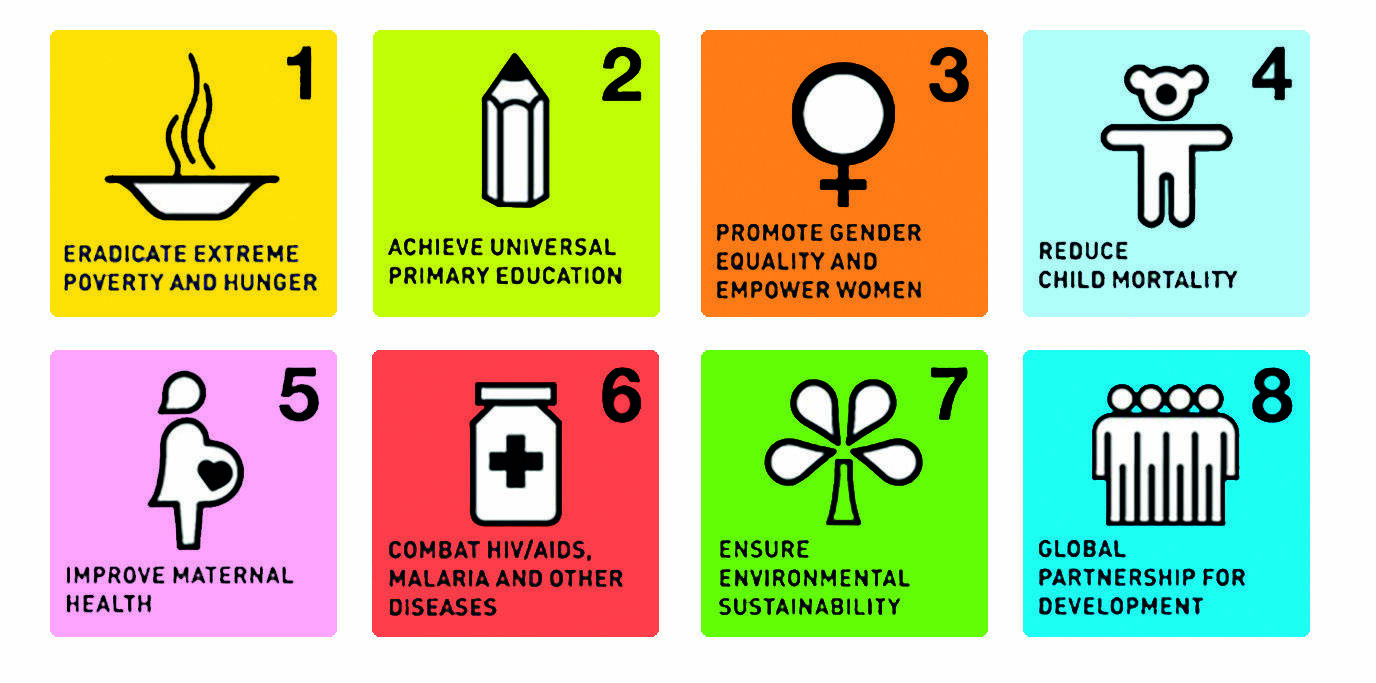
This pointed to fundamental problems and raised concerns. A series of conferences in the late 1990s highlighted issues such as poverty, hunger, social inclusion, human rights and – increasingly – climate concerns. While the first UN Climate Change Conference (COP1) gathered in Germany in March 1994, work was progressing elsewhere to formulate a set of global development goals which would become known as the Millennium Development Goals (MDGs).
Adopted in 2000, these included eight goals such as eradicating poverty and hunger, achieving universal primary education, promoting gender equality and empowering women – and set a timeframe for delivery of 15 years.
The MDGs were adopted with the ambition of “shaping the 21st century,” as a UN report put it. The OPEC Fund embraced the agenda wholeheartedly, prioritizing projects such as poverty reduction, education, health and infrastructure. OPEC Fund Director- General Abdulai welcomed the agenda warmly and said: “We look forward, with enthusiasm, to the challenges of a new century, which we see more as opportunities rather than as difficulties.”
By the time the OPEC Fund marked its 25th anniversary in 2001, it had supported global development with US$5.6 billion in funding via 837 approved loans to finance projects and programs in agriculture, education, energy, health, industry, transportation, water and sanitation. Lending was complemented by 524 grants for technical assistance programs, emergency aid operations, food security, research and other activities.
Whereas in the early days there was a clear emphasis on support for largescale infrastructure and energy projects, under Director-General Abdulai the OPEC Fund was increasingly involved in projects of a more social nature, often designed to tackle poverty at its most basic level, helping to meet people’s everyday needs and providing them with means to strive for a better future.
In a speech at a conference in Brussels in November 1995, Director-General Abdulai said: “The OPEC Fund is always concerned to stress the importance of ensuring the sensitive micromanagement of social sector aid when targeting the very poorest segments of society in the least developed countries. It is always essential to listen closely to the end-users of aid. For in the long run it is people who make projects succeed, and not finely tuned accounting procedures.”
Africa received the lion’s share of OPEC Fund support in the first 25 years: 49 countries with loans approved totaling US$2.1 billion; followed by Asia with 32 countries and loans amounting to US$1.7 billion; and Latin America & the Caribbean with 23 beneficiary countries and US$535 million. In the 1990s, the OPEC Fund for the first time in its history also provided a loan in Europe when it signed a US$5 million financing for the Durres Grand Hospital Project in 1994. More projects in the western Albanian port city would follow in later years.
Mahmoud Khene, Director, Africa, Public Sector Operations, points out: “The OPEC Fund was established in a particular historical context as a means to foster South-South cooperation and solidarity, with a special emphasis on the most deprived regions and countries. As an institution of the South, we leverage our strategic position and fruitful cooperation established over the years with partner countries and development finance institutions to optimize financial flows to Africa while achieving more sustainable and greater development impact.”
A mounting problem of many developing countries was addressed with the 1996 launch of the Heavily Indebted Poor Countries (HIPC) Initiative established by the International Monetary Fund and the World Bank. In a major departure from earlier practice, the initiative represented a coordinated and concerted effort to provide exceptional assistance to help bring debt and debt-service burdens down to sustainable levels. The OPEC Fund had been advocating debt relief for especially vulnerable countries since the 1970s and signed HIPC loan agreements in 1997 with Bolivia, Burkina Faso, Guyana and Mali as first steps.
By 2024, of the 39 countries eligible or potentially eligible for HIPC Initiative assistance, 37 reached their completion point and were receiving full debt relief from the IMF and other creditors, covering more than US$100 billion in debt. One of the most recent countries to achieve this milestone was Somalia: In June 2024, a bridge loan by Saudi Arabia cleared the country’s arrears to the OPEC Fund, which allowed the institution to restart its work in the East African nation.
Looking back at the achievements during his tenure and also looking ahead, Director-General Abdulai reflects today: “I would like to see the OPEC Fund grow in the way it is now. It is a mission which the member countries have persisted in making sure continues. And that is why it is what it is today. I cannot see a time, even in the next 50 years, when the international community will decide that we don’t have to help them anymore. Since we are making a difference, we have every reason to continue.”
Highlights from the era
Y. Seyyid Abdulai
Y. Seyyid Abdulai was Director- General of the OPEC Fund from 1983-2003. Born in 1940 in Nigeria and trained as a banker and economist, he had served at the World Bank in various positions between 1971 and 1982.
During his tenure at the OPEC Fund, the focus shifted to smaller community projects in sectors like agriculture, education and health, with the goal of providing more immediate results and making a greater impact. He outlined his priorities by describing development assistance as an "effective instrument against poverty."
In the most significant development since the OPEC Fund’s beginning, he oversaw the launch of Private Sector Operations in 1999. Under his watch, the OPEC Fund approved its 1,000th project and reached 110 countries. By the time he passed on the leadership to Suleiman J. Al-Herbish in 2003 the OPEC Fund had approved US$5.2 billion in financing.
Making Cameroon food self-sufficient by 2035
Situated in central Africa, Cameroon with a population of almost 30 million lies in the bottom half of the Global Hunger Index – coming 78th out of 123 countries ranked in the 2025 report. Malnutrition is rife with over 40 percent of women suffering anemia, almost 30 percent of children underdeveloped below the age of 5, and over 10 percent of babies born underweight.
The key to reversing these worrying trends lies in the wetland grass, Oryza, more commonly known as rice. This grain – the world’s third-largest crop by production quantity after sugarcane and maize – is one of the staple foods in Cameroon with annual consumption of around 25 kilograms per capita. But demand has greatly outpaced supply, approaching half a million tonnes per year, which over the last three years forced Cameroon to make up for that gap by importing around two million tonnes of rice at a cost of US$877 million.
Addressing this issue, the OPEC Fund in 2024 approved a US$25 million loan to the Rice Value Chain Development Project which aims to boost food security and cut rural poverty by fostering high-potential value chains in rice production, processing and commercialization. In practical terms, that means investments in 7,000 hectares of rice paddy fields, improved farming and post-harvest equipment, 650 km of access roads from farms to markets, more than 50 storage warehouses, training for over 200,000 stakeholders and field placements for young graduates.
Despite abundant natural resources, Cameroon’s agriculture sector remains uncompetitive and unable to fulfill its potential. Minister of Agriculture Gabriel Mbairobe says: “We want to satisfy national consumption and modernize rice production. Today, only plowing is mechanized. So we plan to modernize the harvest, storage, and hulling so that we increase the national supply.”
Co-financing partners in the project include the Arab Bank for Economic Development in Africa (BADEA), the Islamic Development Bank (IsDB), the Kuwait Fund and the government of Cameroon. The total project cost is US$170 million.
Employing over 60 percent of the labor force and generating 15 percent of GDP, the agriculture sector is a top priority for Cameroon, reflected in the National Development Strategy (2020-2030) and the aim of achieving food self-sufficiency by 2035.
Press Release, September 5, 2003, Vienna, Austria: OPEC Fund completes delivery of food aid to Africa
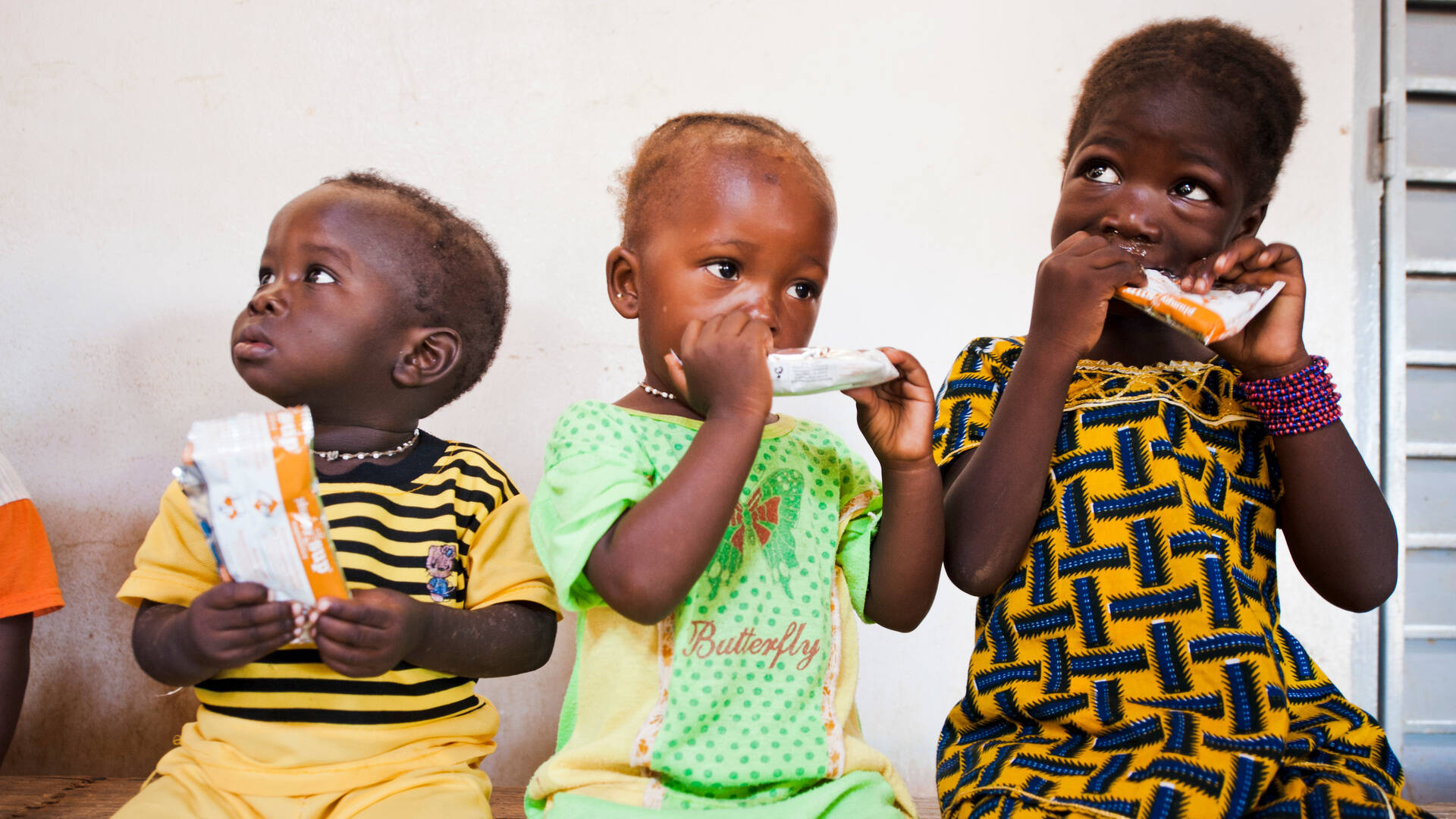
The OPEC Fund for International Development has distributed over 43,000 metric tonnes of food aid to towns and villages in nine African countries: Eritrea, Ethiopia, Lesotho, Malawi, Mauritania, Mozambique, Swaziland, Zambia and Zimbabwe that are affected by the current food crisis sweeping much of Africa. Under a special Food Aid Grant Account, the OPEC Fund has provided a total US$20 million to assist a number of countries in Africa severely affected by the worsening crisis. The Fund grant was administered in eight of the beneficiary countries by the World Food Program (WFP), and in Ethiopia by the Ethiopian Disaster Prevention and Preparedness Commission.
OPEC Fund delegations, some led by Director-General, H.E. Dr. Y. Seyyid Abdulai, began distributing food rations to Ethiopia on June 14, 2003, and wrapped up activities with its mission to Lesotho on September 4. Fund officials were able to witness, first hand, feeding projects at health clinics and visited food distribution centers, neighborhood care points and warehouses. Rations were delivered in the form of wheat grain, maize, Corn Soya Blend, vegetable oil and pulses. The OPEC Fund’s donation of US$9.2 million to the WFP’s southern Africa regional operation million represents the ninth largest made.
Much of central, southern, and the Horn of Africa are currently battling severe drought conditions, failing rains and agricultural crises. Food shortages are widespread and adding to difficult circumstances, resulting in a rising death toll. The OPEC Fund assistance was designed to back a global effort now underway to support the affected countries.
El Maarouf Hospital Project, Comoros
Life expectancy in the Comoros, a volcanic archipelago in the Indian Ocean, has improved markedly since the turn of the century – rising from 62 years in 2000 to 68 in 2020. Yet, according to the World Health Organization (WHO), preterm birth complications remain one of the top five causes of death, in part due to a lack of specialist care.
The 2024 El-Maarouf Hospital project in the capital Moroni aims to tackle the problem with plans to reduce the need for medical travel abroad by 90 percent while halving the number of emergency evacuations. The project involves the construction of a 300-bed hospital to serve the population of more than 800,000 people, including mothers and babies. Complying with the latest international standards, the hospital will offer state-of-the-art clinical, diagnostic and auxiliary services. It will also become a training center for public health and medicine, which is currently not available in the Comoros.
The OPEC Fund has contributed a US$17 million loan as part of a co-financing partnership with the Islamic Development Bank, World Bank Group, Trade and Development Bank and the government of Comoros, for a total project cost of just under US$108 million.
This investment will not only save lives, but also in the long run substantial amounts of money. Overall it is set to reduce government health expenditure by around 1 percent of GDP, according to national estimates.
Water, Sanitation and Hygiene (WASH)
Safe drinking water, sanitation and hygiene (WASH) are crucial to human health and well-being. Safe WASH is not only a prerequisite to health, but contributes to livelihoods, school attendance and dignity. It also helps to create resilient communities living in healthy environments. Drinking unsafe water impairs health through illnesses such as diarrhea, and untreated excreta contaminates groundwaters and surface waters used for drinking-water, irrigation, bathing and household purposes.
The OPEC Fund provides financing for WASH projects to stimulate economic growth and social progress in low and middle-income countries by funding infrastructure like water supply systems and sanitation facilities, promoting hygiene education and supporting emergency relief.
To date, the OPEC Fund has approved US$1.8 billion in water and sanitation though public sector loans and grants, the most recent WASH project being a US$20 million loan to the construction of water infrastructure in the capital of Sierra Leone, Freetown.
The Ebola crisis
• Aug 4, 2014: The OPEC Fund provides “an emergency assistance grant of US$500,000 to support the activities of the World Health Organization in stopping the spread of the deadly Ebola virus.” The grant acted as a platform to consolidate support provided to Guinea, Liberia and Sierra Leone. UN Under-Secretary General Kandeh Yumkella praised the OPEC Fund “for being one of the first development organizations to respond to the WHO Ebola emergency response plan.”
• February 4, 2015: The OPEC Fund and Cuba sign a US$400,000 grant agreement to support medical brigades deployed for Ebola missions in West Africa.
Fighting the HIV/AIDS pandemic
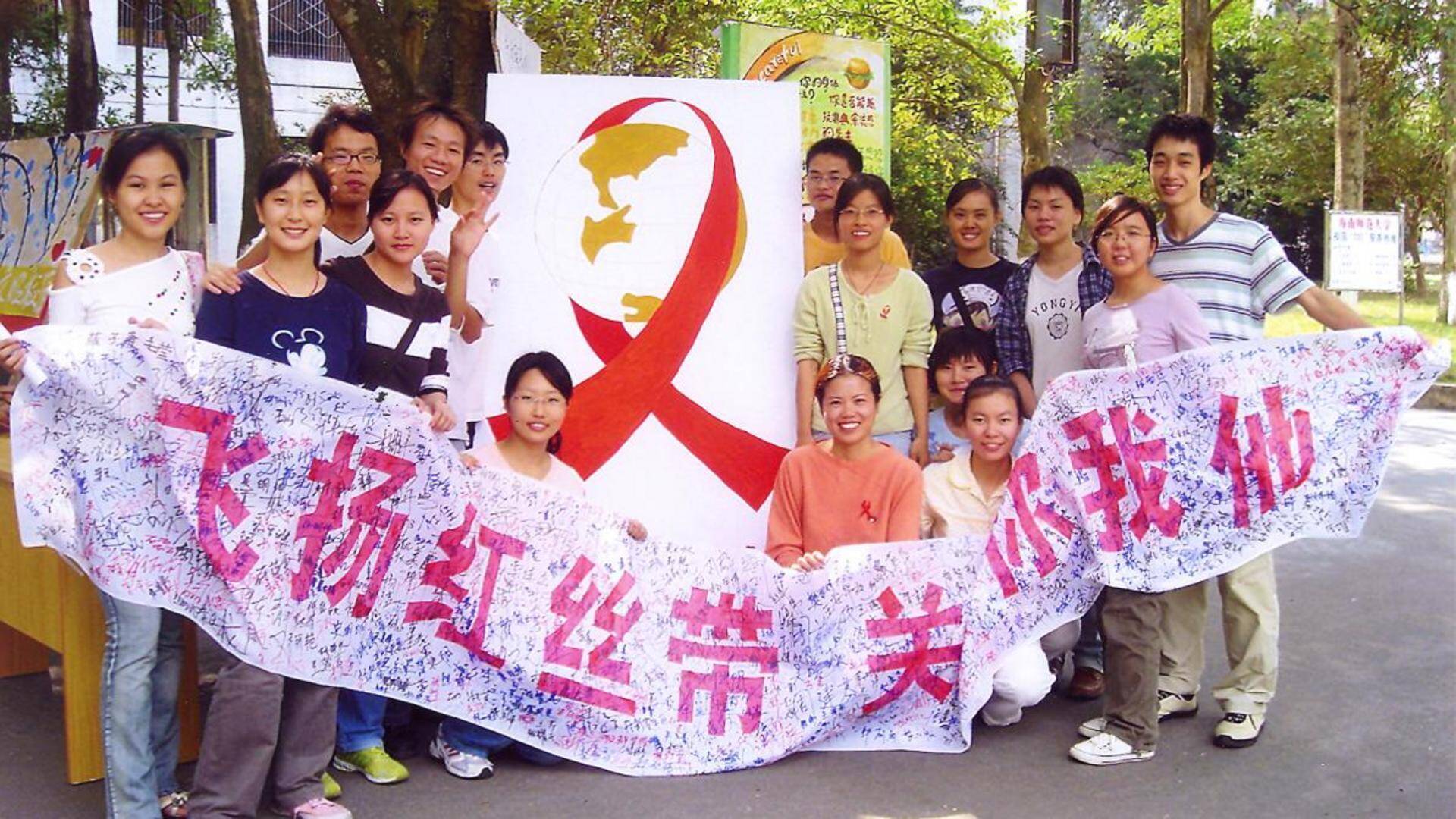
In Africa, the OPEC Fund teamed up with the World Health Organization (WHO) to implement projects in 12 Sub-Saharan countries. The OPEC Fund/WHO Initiative Against HIV/ AIDS, launched in October 2002, covered some of the poorest and hardest hit countries. The first step was to help participating countries update their HIV policies and set guidelines for appropriate interventions. The second stage involved capacity building at local and national levels.
Zambia became a good example of how the initiative worked. In 2003, the southern African country held an unenviable record. Because of HIV/ AIDS the average life expectancy at birth was just 32.7 years, the lowest in the world except for Lesotho. The illness was referred to as a “viral genocide” striking down 200 Zambians every day. The OPEC Fund/ WHO initiative helped to develop community and home-based care and support for people living with HIV/ AIDS and their families. It achieved this by providing 6,000 home-based care kits with items which were often too expensive for ordinary families to buy for themselves.
A consequence of the spread of the disease was that an estimated 600,000 children were orphaned and a further 1.6 million lost one parent. The OPEC Fund supported initiatives like Children’s Town with a US$150,000 grant, located in the rural district of Chibombo, some 90 km from the capital Lusaka. Children’s Town is a unique and safe haven for destitute youth providing shelter, food, medical care, schooling and practical skills training.
Project Coordinator, Moses Zulu, said: “Children’s Town is the final destination for children with no one to take them under their wing, usually after a long and cruel period of neglect, child labor or other abuses no youngster should endure. The education of children and youth is of the utmost importance for any nation. Only equipped with appropriate knowledge can they contribute productively and significantly to the development of their respective communities and society in general.”
Other HIV/AIDS projects financed by the OPEC Fund included an initiative in Lesotho, Zambia and Zimbabwe to provide support and implement action plans to eliminate the transmission of HIV/AIDS from mothers to their children, or a program in 12 countries across the Global South to prevent HIV/AIDS by building an effective treatment system to reduce drug overuse.
COVID-19 Response Action Plan
Shortly after the outbreak of the COVID-19 pandemic, the OPEC Fund approved a US$1 billion action plan for recovery efforts in developing countries in the form of public and private sector as well as trade finance loans. As a member of the Arab Coordination Group, the OPEC Fund also committed to the joint US$10 billion pledge to help developing countries mitigate, contain and recover from the pandemic.
Examples of OPEC Fund financing:
A US$10 million public sector loan to support Guatemala’s COVID-19 emergency response and public health strategy. Emergency aid grants to support COVID-19-related World Health Organization (WHO) efforts in Latin America.
The OPEC Fund approved US$75 million of new funding for developing countries. A US$15 million OPEC Fund public sector loan to Rwanda supported businesses affected by COVID-19. The OPEC Fund also approved US$60 million funding to support SMEs in Asia and Latin America.
OPEC Fund grants totaling US$1 million were channeled through the WHO to support the purchase and distribution of consumables and equipment related to the health crisis in Ecuador and Venezuela.
A US$20 million loan to support the Maldives’ Economic Recovery Plan aimed at mitigating the socioeconomic impact of the pandemic.
Three loans totaling US$45 million were approved to support COVID-19 response efforts in Belarus, Belize and El Salvador. Bangladesh, Benin, Dominica and Guyana received support via four loans totaling US$115 million.
The OPEC Fund’s Private Sector Operations approved US$30 million to support SMEs in Paraguay via a local financial institution.
Private Sector Operations – Highlights
Since the launch of Private Sector Operations in 1999, the financing window has become an essential part of the OPEC Fund’s offering. Today they account for 30 percent of total commitments with more than US$10 billion and cover a wide range of key sectors, from financial institutions to renewable energy.
Microfinance Enhancement Facility (MEF)
The OPEC Fund invested US$40 million in the Microfinance Enhancement Facility (MEF) to provide support to small and medium-sized enterprises in the aftermath of the 2008 global financial crisis. Between 2009 and 2022, MEF invested US$2.9 billion across 312 microfinance institutions in 64 countries, reaching 740,000 end borrowers – of which 78 percent were women and 69 percent were living in rural areas.
Banco Promerica El Salvador
The OPEC Fund has supported Banco Promerica’s activities, particularly focusing on on-lending to small and medium-sized enterprises and addressing the demand for short, medium and long-term financing. The OPEC Fund has provided three loans totaling US$48 million, supporting job creation and bolstering economic growth.
ETC Group Facility
ETC Group has developed into one of the largest independent agricultural commodity supply chain managers in Africa. It owns more than 300 warehouses and operates over 70 processing plants. OPEC Fund loans for a current total of US$65 million have supported the expansion of its infrastructure and processing capacity, benefiting more than 350,000 smallholder farmers.