We use Cookies. Read our Terms
The History of the OPEC Fund: Transforming for the Future – The Alkhalifa Era (since 2018)
Part 5 of 5
Read the other parts of the History of the OPEC Fund series here.
In November 2018, Director-General Al-Herbish handed over leadership of the OPEC Fund to Abdulhamid Alkhalifa at a pivotal moment for the institution. The OPEC Fund had built a strong reputation over four decades as a trusted partner for developing countries, grounded in its founding mission of South-South cooperation. Yet the global development landscape was changing rapidly. Financing needs were rising, crises were becoming more frequent and traditional aid and replenishment models were proving increasingly constrained.
President Alkhalifa assumed office with a dual challenge. He was tasked with safeguarding the OPEC Fund’s legacy while ensuring that the institution remained relevant, responsive and capable of operating at greater scale. Within a year, this imperative was translated into a comprehensive strategic reset.
In 2019, the Ministerial Council endorsed the Strategic Framework 2030, the most far-reaching reform agenda in the institution’s history. It articulated a clear ambition: to transform the OPEC Fund into a more dynamic, efficient and financially sustainable multilateral development bank, better equipped to support partner countries. Its implementation began just as the COVID-19 pandemic exposed deep vulnerabilities across the global economy and underscored the importance of resilient and agile development finance institutions.
A visible sign of this transformation was the return to the institution’s full name – the OPEC Fund for International Development – and the retirement of the acronym OFID. A brand evolution followed with a new visual identity, refreshed values, as well as vision and mission statements.
For much of its history, the OPEC Fund had relied exclusively on capital contributions from its member countries to finance its operations. The most recent replenishment in 2011 amounted to US$1 billion. While this model had served the institution well, growing demand from partner countries and the scale of global challenges made clear that additional financing capacity would be required.
The Strategic Framework 2030 therefore paved the way for a fundamental shift in the OPEC Fund’s financial model, aligning its structure more closely with that of peer multilateral development banks. In 2021, the balance sheet was reorganized into Ordinary Capital Resources and Special Capital Resources, strengthening the institution’s financial architecture and creating a more flexible platform to tailor financing solutions across a wide range of country contexts and development challenges. This restructuring provided the foundation for a transition from an exclusively contributions-based model toward a blended approach that combines capital injections from member countries with leveraged financing from international capital markets.
Simultaneously, a robust, comprehensive risk management framework was implemented to align with best practice standards across the MDB community.
“Establishing the OCR and SCR enables us to manage resources and operations optimally,” notes Chief Risk Officer Juanito Limandibhratha, a key figure in advancing the institution’s risk capabilities.
Having completed preparations, the OPEC Fund sought, and achieved, market validation. In 2021, Fitch Ratings, the credit rating agency, assigned the institution an inaugural AA+ (stable) rating, followed by AA (positive) from S&P Global Ratings, citing an “extremely strong” capital base, prudent risk profile and solid liquidity. In December 2023, S&P upgraded its assessment to AA+ (stable), reaffirming confidence in the OPEC Fund’s financial strength, governance and long-term resilience.
These endorsements paved the way for the OPEC Fund’s debut bond issued in London in January 2023: a US$1 billion SDG bond, aligned with its mission and mapped to key Sustainable Development Goals. Today, with US$4.65 billion raised to date, including an inaugural Euro-denominated benchmark bond in September 2025, the OPEC Fund is a trusted and recognized issuer in global capital markets.
Vice President for Finance, Tarek Sherlala, remarks: “Bond issuances enhance our ability to mobilize resources transparently and sustainably, ensuring we can continue supporting partner countries long into the future. Moving to a more performance-oriented culture, with clearer responsibilities and accountability is aligning us closely with our peers and positions us to serve our partners even more effectively and impactful.”
The OPEC Fund’s SDG Bond Framework, established in 2022, defines five social categories and one green category, addressing the priorities of low- and middle-income partner countries. A review of the inaugural US$1 billion bond confirmed that proceeds contributed to 9 of the 17 Sustainable Development Goals. The majority – 31 percent – supported SDG 1: No Poverty, underscoring the OPEC Fund’s core mission to uplift the most vulnerable communities. Armed with a wider funding base, the institution accelerated delivery, increasing its annual commitments from US$1.8 billion in 2019 to US$3.4 billion in 2025.
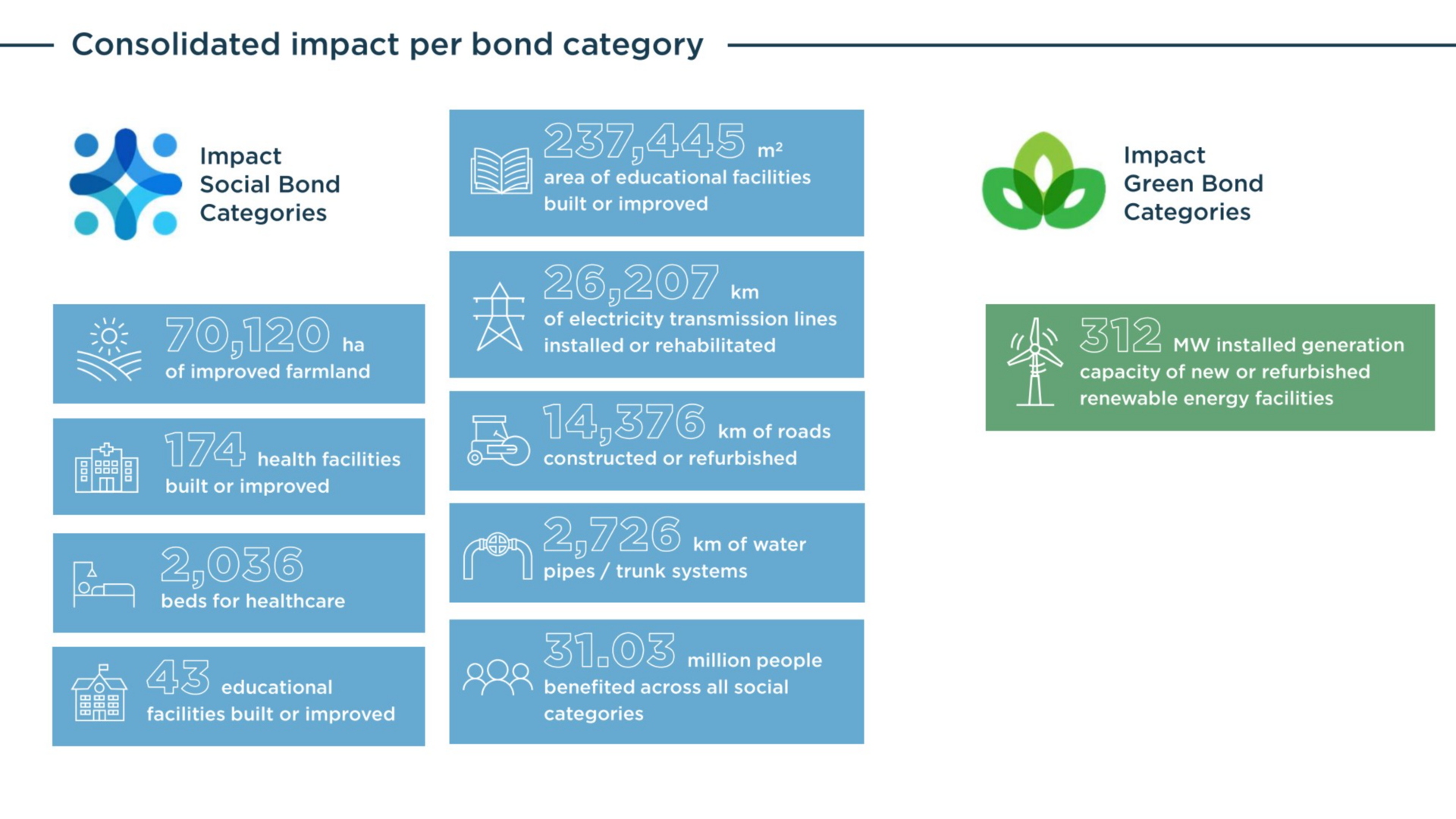
Development effectiveness also moved firmly to the forefront and the OPEC Fund published its first annual Development Effectiveness Report in 2023, providing a detailed review of how the institution’s projects contribute to sustainable development. A new results framework, launched in December 2025, elevates accountability, transparency and impact measurement across every project.
Financial innovation and the introduction of new products are playing a prominent role under the current leadership, with President Alkhalifa emphasizing the need for “smart and efficient solutions.” In 2024, the OPEC Fund successfully arranged its first loan syndication with a US$50 million facility for the benefit of Banco Continental in Paraguay. While the OPEC Fund contributed US$25 million from its own resources as A-lender, it mobilized a US$25 million B-loan from Commercial Bank of Dubai. The OPEC Fund acted as sole Bookrunner, Mandated Lead Arranger and Facility Agent. Similar transactions have confirmed the OPEC Fund’s position in the loan syndications market.
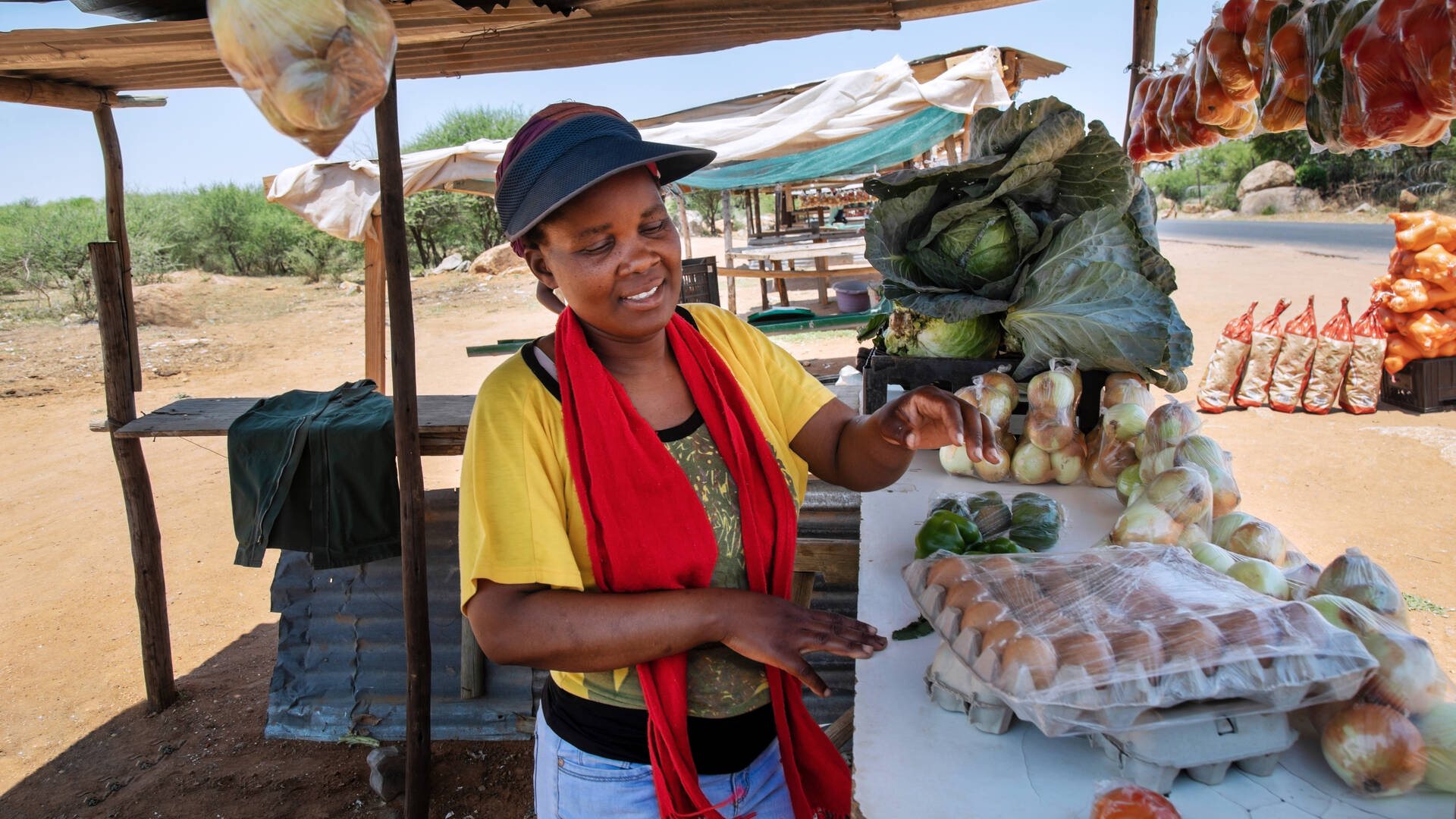
The OPEC Fund simultaneously expanded its private sector footprint in Africa. In 2023, it extended its first private sector loan in Botswana, providing US$20 million to Access Bank Botswana in support of MSMEs with 30 percent of the facility earmarked for women-led businesses. Access Bank Botswana is a subsidiary of Access Bank Nigeria, based in an OPEC Fund member country.
The institution also entered new territory with the introduction of sustainability linked loans, a financial instrument that ties financing terms such as pricing to a borrower’s performance against pre-agreed sustainability targets. These products embed sustainability into the financing structure, directly incentivizing companies to deliver measurable environmental and social outcomes.
At the institutional level, the OPEC Fund signed an Exposure Exchange Agreement with the Inter-American Development Bank (IDB) in 2025 for a synthetic exchange of credit risk exposure. This milestone supports efforts to improve portfolio diversification, strengthen financial resilience and increase lending capacity.
Another milestone was the signing of a Memorandum of Understanding and Co-financing Framework Agreement with the World Bank Group to enhance cooperation and boost efficiencies in project preparation and implementation.
Partnerships and collaborations have been foundational to the OPEC Fund since its inception. While the OPEC Fund has since evolved, increasingly originating and leading initiatives, pooling resources to deliver joint solutions continues to be the most powerful driver of sustainable development.
This is exemplified by the longstanding engagement with the Arab Coordination Group (ACG), a strategic alliance of 10 development finance institutions providing development assistance and financing. Established in 1975, the group is today the second largest provider of development assistance globally. In recent years, the OPEC Fund and other ACG members have announced major joint commitments, including US$1 billion in COVID-19 assistance (2020), US$10 billion for food security (2022), US$24 billion in climate financing (2022), US$50 billion for Africa (2023) and US$10 billion to combat desertification.
The power of partnership is also a driving force behind Mission 300, an initiative launched by the World Bank and the African Development Bank, to connect 300 million people in Sub- Saharan Africa to reliable, affordable and sustainable energy. The OPEC Fund joined the effort in January 2025 with a pledge of up to US$2 billion by 2030.
Over the 2025–2030 period, the OPEC Fund is targeting total financing commitments of US$20 billion to partner countries, reflecting high demand and urgent needs. Heightened uncertainty in global markets, constrained fiscal space, rising debt burdens, lower trade flows and reduced investments are undermining progress towards the SDGs and intensifying climate and food crises. The expansion is explicitly linked to the wider MDB reform agenda, aiming at delivering “greater impact and scale,” as stated in June 2025.
The OPEC Fund is well prepared to face these challenges. Following a 2024 Strategy review and update, carried out in close alignment with member countries, the institution reaffirmed its overarching goals as:
- Promoting Sustainable Development through South-South Cooperation
- Driving Climate Innovation and a Just Transition
- Building Resilient and Equitable Societies.
To achieve these goals, the operational priorities are defined as:
- Building Infrastructure
- Developing Human Capital
- Enhancing Institutional Capacity
- Promoting Private Sector and Trade.
These are complemented by two crosscutting themes:
- Driving Climate Action, and
- Bolstering Food Security.
Climate Action and Food Security are addressed as cross-cutting priorities because of their urgency, systemic impact and fundamental importance to the 2030 Agenda. Despite decades of international climate diplomacy – including global efforts to secure binding emissions-reduction commitments – 2024 became the warmest year ever recorded, and the first full year in which global temperatures surpassed the 1.5°C limit set under the Paris Agreement.
At the same time, an estimated 8.2 percent of the global population, about 675 million people, experienced hunger in 2024, six years before SDG 2 was supposed to deliver “Zero Hunger.” Particularly concerning is the rise in hunger across most subregions of Africa and Western Asia, according to the United Nations.
The OPEC Fund adopted its Climate Action Plan in 2022 with the goal of increasing the share of climate-relevant projects to 40 percent of its annual financing by 2030. Recognizing that climate finance still falls short of the scale required to meet global targets, the institution has positioned itself as an enabler of equitable climate action in low- and middle-income countries.
The Climate Action Plan has significantly accelerated the OPEC Fund’s climate finance contributions. In 2024, climate-related financing reached 39.3 percent of total commitments (against its target of 40 percent by 2030), with 44 projects contributing to climate action and totaling US$863.7 million.
Both mitigation and adaptation finance increased in 2024 compared to previous years, underscoring a balanced approach that addresses both the root causes of climate change and its impacts. Of total climate finance, US$525 million (60.8 percent) supported mitigation activities, while US$338.7 million (39.2 percent) supported adaptation measures. Public sector investments accounted for 89.4 percent of this financing, with the private sector contributing the remaining 10.6 percent.
The world of energy generation has undergone a profound transformation in recent years. Beyond the climate imperative, the energy transition is delivering economic and social benefits: new solar and wind energy projects are the cheapest form of electricity generation in many markets.
ACWA Power, a leading Saudi developer and operator, has emerged as a frontrunner in this field, with a presence across the Middle East, Africa, Central and Southeast Asia. To date, the OPEC Fund has co-financed six ACWA Power projects in Azerbaijan, Egypt, Jordan and Uzbekistan, with total commitments of close to US$300 million. The 240 MW Khizi–Absheron wind farm in Azerbaijan, co-financed through a US$50 million loan from the OPEC Fund’s Private Sector Operations, is the country’s first independent wind power project financed by international investors and the largest in the Caucasus region. Inaugurated in January 2026, it is expected to provide nearly 300,000 households with renewable power and mitigate the impact of 400,000 tonnes of CO2 emissions annually.
The OPEC Fund is also co-financing the largest onshore wind power project in Africa to date with a US$30 million loan. Located on the western coast of the Gulf of Suez in Egypt, the project will contribute to the country’s strategy to increase the share of renewables to around 40 percent of its energy mix by 2035, strengthen energy security, reduce greenhouse gas emissions and promote private sector participation in clean energy infrastructure. The facility is expected to supply enough clean energy to power more than one million households, while offsetting 2.4 million tonnes of CO2 emissions a year.
At the other end of the scale in terms of size, though not impact, are a series of smaller loans between US$250,000 and US$750,000 provided between 2013 and 2015 to finance solar mini-grids in Africa and Asia. In Guinea-Bissau, for example, 440 customers of Contuboel village – including 390 households and 40 businesses, a local school and a health center – gained access to affordable, reliable and sustainable electricity through the installation of a local solar plant and distribution network, with surplus capacity serving the wider community.
At the intersection of the OPEC Fund’s priorities of climate finance and food security lies clean cooking. The institution has been supporting clean cooking initiatives since the early 2000s, building knowledge and experience in promoting innovative solutions. In September 2024, the OPEC Fund signed a US$35 million loan with the Republic of Madagascar for the SMART Clean Cooking Project. Its objective is to drive a nationwide clean cooking transition by strengthening infrastructure, supporting sustainable agroforestry and empowering communities. Going forward, all OPEC Fund-financed projects in Madagascar will include a clean cooking component with dedicated funding. Grants in support of clean cooking have also been extended to Rwanda, Sierra Leone and Somalia.
Further deepening its commitment to international climate objectives, the OPEC Fund adopted its Paris Agreement alignment goals in September 2025. The Governing Board approved targets of achieving 60 percent alignment by 2027 and 80 percent by 2030 (excluding trade finance). The ultimate objective is 100 percent alignment across all operations through a phased transformation. A 2024 portfolio assessment found that the majority of OPEC Fund operations are already aligned with the goals of the 2015 Paris Agreement.
The OPEC Fund’s strategy for addressing climate change mitigation and adaptation is anchored in a robust partnership approach designed to enhance impact through targeted collaboration. Delivery of the Climate Action Plan was facilitated by vehicles such as the Nature Solutions Finance Hub, conceptualized and implemented in cooperation with the Asian Development Bank (ADB). Al-Shaimaa Al-Sheiby, Vice President, Public Sector, explains: “From mangrove restoration to wetland conservation, urban green infrastructure to watershed reforestation, nature-based solutions have been elevated to the strategic level since the approval of the OPEC Fund Climate Action Plan in September 2022. Our Nature Solutions Finance Hub was the logical next step because as forward-looking partners, we wanted to do more. We wanted to share the good work that we do in Asia and replicate it across the globe, because the need for climate finance is critical… There’s a departure from traditional financing and South-South platforms are increasingly important. Human skills across the South have been developing at an incredible pace, often imagining solutions that have a greater chance of succeeding because they’re grounded in shared realities and more affordable.”
With the new Island Resilience Facility, the OPEC Fund has reconfirmed its commitment to Small Island Developing States. A first project loan in the history of the institution was signed with the Republic of Fiji in December 2025. The facility combines project financing with technical assistance and the preparation of a structured pipeline of viable projects.
The Green-Blue Connect initiative, launched at the UN Climate Change Conference COP30 in Brazil and endowed with US$3 billion, will channel climate finance into integrated land-sea solutions, from resilient infrastructure and flood management to sanitation, agricultural water use, energy access and sustainable urban development.
It aims to foster resilience, biodiversity and economic opportunity in both small island states and landlocked nations. The initiative will support a variety of projects in areas such as water and sanitation, coastal protection and disaster risk reduction. It will finance both adaption and mitigation, while global climate finance remains heavily skewed toward mitigation.
Green-Blue Connect builds on the OPEC Fund’s strong legacy in water projects. For example, a US$12 million loan in 2018 helped co-finance the Northern Region Water Board project in Malawi, improving access to clean water and sanitation through infrastructure upgrades such as pipeline installation and reservoir construction.
The OPEC Fund Food Security Action Plan, approved in 2022, was designed to help countries cope with price shocks following the war in Ukraine, a major global exporter of staple grains such as corn, wheat and barley, as well as processed products such as sunflower oil. The plan provides both short- and long-term support, with a focus on sustainable food systems, resilient supply chains and responsible consumption. Between 2022 and 2024, the OPEC Fund deployed US$1 billion under this framework and plans to mobilize an additional US$2 billion by 2030, building on five decades of experience in tackling hunger.
The OPEC Fund has long been at the forefront of investing in agriculture and securing food supplies. In 2019, for example, a US$20 million loan to Senegal supported agricultural production by raising yields, reducing post-harvest losses and enhancing farmers’ access to agricultural value chains.
Under the Food Security Action Plan, efforts often need to focus on urgent interventions to address immediate crises. In October 2022, the OPEC Fund moved quickly to provide a US$100 million emergency loan to finance much-needed imports and develop long-term storage capacities to strengthen food security. In Sierra Leone, a US$30 million loan and a US$2 million grant are supporting a Livestock and Livelihoods Development Program, that is benefitting almost 400,000 people through improved food security and incomes.
Over the years, the OPEC Fund has developed strong, long-term partnerships with producers, traders and financiers. Collaborations with global commodity brokers such as Sucden and Touton cover the entire supply chain from sourcing beans to final payment by end buyers.
The OPEC Fund’s recent growth is also reflected in its expansion into new countries and the introduction of new products. In 2024, Montenegro became a partner country through a €50 million loan to strengthen financial sustainability and support the green transition. In the same year, a US$50 million loan to Bhutan marked the OPEC Fund’s first operation in the Himalayan kingdom and the financing will support the development of hydropower capacity. In 2025, the OPEC Fund added six more countries to its global outreach with new or renewed engagements.
The institution’s increasing importance is also evident in its growing stature on the international stage. Today, the OPEC Fund is an active participant in global conferences, consultations and knowledge-sharing platforms. With the launch of the OPEC Fund Development Forum in 2022, President Alkhalifa established an internationally recognized platform of its own. Held each June in Vienna, the Forum brings together decision-makers from government and business, heads of international organizations, opinion leaders and representatives of thinks tanks and civil society from around the world. Its aim is to strengthen partnerships, catalyze innovative financing and accelerate impactful delivery.
The Development Forum has become a powerful demonstration of the OPEC Fund’s current engagement and future ambition.
In President Alkhalifa’s words: “Our aim is to bridge the gap between promise and practice. Our true impact lies in the lives we improve, the futures we empower and the partnerships we forge and strengthen. For half a century, the OPEC Fund has stood for the belief that progress is most powerful when it is shared. Today, we carry forward that conviction with renewed purpose, building stronger alliances, unlocking new possibilities and helping countries transform challenges into opportunities. Together, we will accelerate positive change and bring the promise of sustainable development within reach for all – for the next fifty years and beyond.”
Highlights from the era
Abdulhamid Alkhalifa
Abdulhamid Alkhalifa, a Saudi Arabian national, was first elected as head of the OPEC Fund for International Development at the institution's June 2018 Ministerial Council meeting. Mr. Alkhalifa officially assumed his post on November 1, 2018. On June 21, 2023, the OPEC Fund's Ministerial Council unanimously re-elected Mr. Alkhalifa for a second five-year term as President that commenced on November 1, 2023.
Prior to his appointment at the OPEC Fund, Mr. Alkhalifa was Deputy Secretary General of the Saudi Arabian Public Investment Fund (PIF) from 2014 to 2018 and advisor to the Secretary General from 2010 to 2014. He has also held a number of leadership positions at the World Bank Group and served the government of Saudi Arabia in various capacities.
President Alkhalifa holds a PhD in Economics from the University of Miami, Florida, and a Master's in Applied Economics from Southern Methodist University in Dallas, Texas.
ETC Group (ETG)
The OPEC Fund signed its first sustainability-linked loan in 2024, marking a step forward in integrating sustainability into its financing tools.
The US$40 million loan was part of a US$394 million package alongside key development partners. ETG is one of Africa’s largest agricultural commodity supply chain managers.
The financing enhanced ETG’s working capital, strengthened food systems and supported the livelihoods of more than 600,000 smallholder farmers across sub- Saharan Africa. The SLL ties lending terms to meeting specific environmental, social and governance targets, incentivizing ETG to improve farmer livelihoods, reduce environmental impacts and enhance food security.
ETG, established in 1967 as the Export Trading Company in Kenya, has grown into one of Africa’s largest independent agricultural commodity supply chain managers, with over 300 warehouses and 70 processing plants.
The OPEC Fund has supported ETG since 2009 through several loans, benefiting over 350,000 smallholder farmers with more than half of the funds directed to least developed countries.
Mission 300
With more than half a billion people in Sub-Saharan Africa living without access to electricity, Mission 300 is an ambitious initiative to connect 300 million people to electricity in the region by 2030.
Led by the World Bank Group and the African Development Bank, Mission 300 brings together African governments, the private sector and development partners such as the OPEC Fund to deliver affordable power, expand electricity access, boost utility efficiency, attract private investment and improve regional energy integration.
African governments have committed to important sector reforms that are being implemented through country-led Energy Compacts. To build on these reforms, the World Bank is increasing its support for energy projects in Africa, leveraging U$30 billion by 2030, while mobilizing private sector investments.
The OPEC Fund announced in January 2025 that it will join Mission 300 with up to US$2 billion by 2027. Addressing energy poverty in an environment-friendly way is a key concern of the OPEC Fund. Guided by its Climate Action Plan, the institution has significantly scaled up its engagements in recent years, especially in Africa.
The Arab Coordination Group (ACG)
The ACG is formed by the Abu Dhabi Fund for Development, the Arab Bank for Economic Development in Africa, the Arab Fund for Economic and Social Development, the Arab Gulf Programme for Development, the Arab Monetary Fund, the Islamic Development Bank, the Kuwait Fund for Arab Economic Development, the OPEC Fund for International Development, the Qatar Fund for Development and the Saudi Fund for Development.
Established in 1975, it has grown to become the second largest development financier in the world, providing more than 13,000 development loans to over 160 countries to date.
In 2024 alone, the ACG extended US$19.6 billion collectively to fund nearly 650 operations developing critical infrastructure, addressing global challenges like climate change and food security and supporting international trade.
Clean cooking
Clean cooking has emerged as a critical component of the global development agenda, incorporated into the 2015 UN Sustainable Development Goals (SDG 7).
Clean cooking is crucial for public health, environmental protection and socio-economic development. It has grown in scale and complexity, encompassing a wide range of technologies, fuels, business models and innovative funding instruments.
Despite the recognized importance, the transition to clean cooking remains slow and challenging. Between 2010 and 2021, global access to clean cooking increased by only 1.4 percent annually, with most progress concentrated in a few populous developing countries. Today, roughly three-quarters of those without access to clean cooking are located in just 20 countries, primarily in Sub-Saharan Africa and Asia.
Investment levels are significantly below the required US$8 billion annually, as estimated by the International Energy Agency, to achieve universal access by 2030.
Azerbaijan and the OPEC Fund
Sustained growth in recent years is providing Azerbaijan with the means to press ahead with the diversification of its economy and lessening its dependence on fossil fuels.
The OPEC Fund and the country signed a Country Partnership Framework in June 2025 with plans for up to US$1 billion in development financing over the next three years to support Azerbaijan’s investments in water and sanitation, transport connectivity and sustainable urban development.
With a combined share of almost 50 percent of GDP, the oil and gas sector still dominate Azerbaijan’s national economy, as over 90 percent of export earnings are generated by fossil fuels. The authorities are working to reduce this exposure and the inherent volatility by strengthening the diversification of the economy.
Green energy is one of the priorities of the National Development Plan with a goal of achieving 33 percent renewable installed capacity by 2027.
The OPEC Fund and Senegal
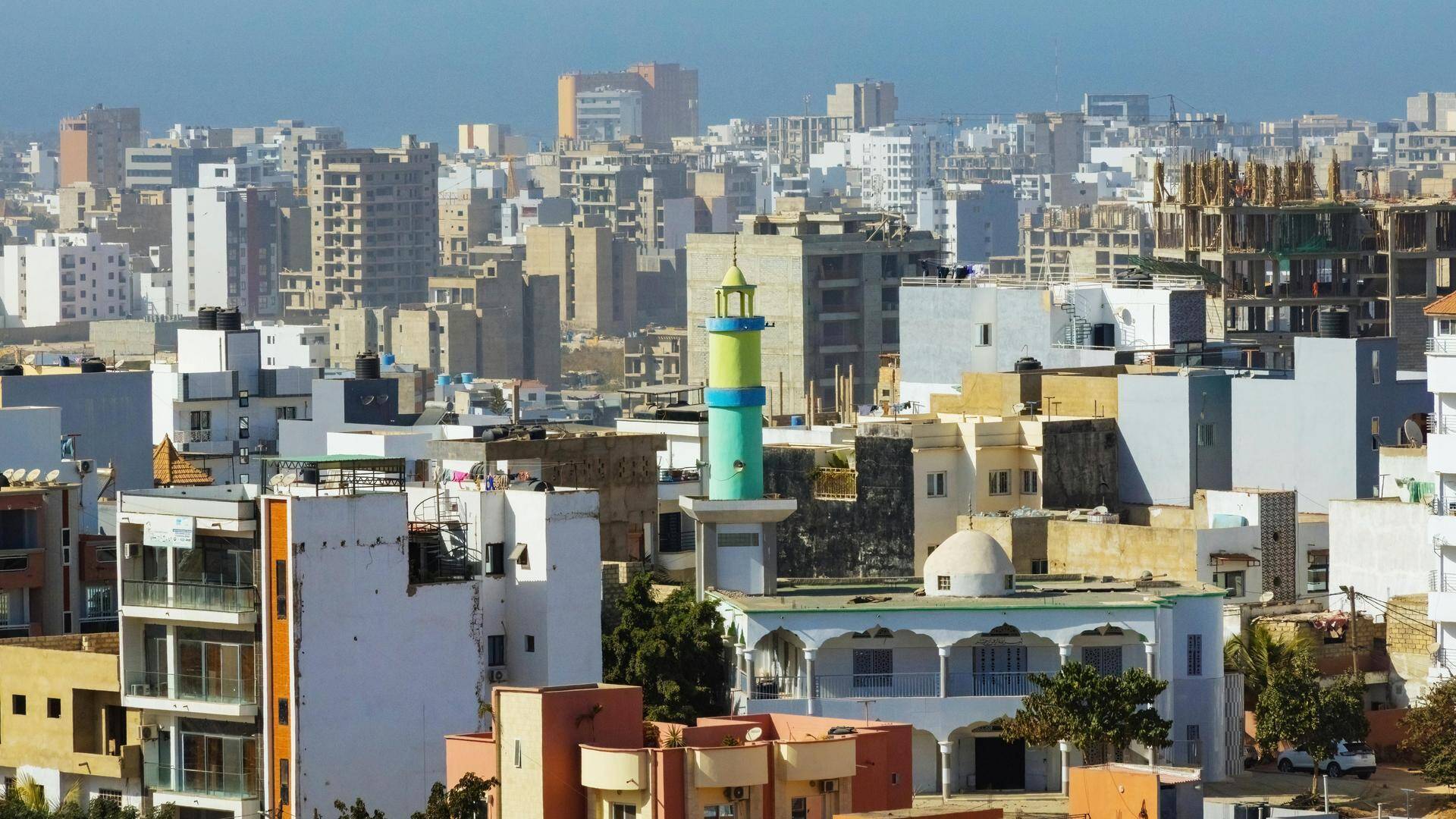
A country of 18 million people and located in the westernmost part of Africa, Senegal has been a partner country of the OPEC Fund since 1977. Major sectors of the economy are mining, tourism and agriculture. To date, the OPEC Fund has provided close to US$700 million in 40 public sector projects and €45 million in the private sector.
The OPEC Fund is a major partner for Senegal, especially in strengthening food security and agriculture, committing significant financing to boost local production, support smallholder farmers and improve infrastructure. The most recent example was a €100 million loan in favor of the 2024-2025 Senegal Agricultural Campaign, benefitting 800,000 smallholder households.
The project aligns with Senegal’s Vision 2050, the National Food Sovereignty Strategy 2024–2035 and the Agricultural Growth Acceleration Program.
Beyond agriculture, the OPEC Fund has also supported Senegal in energy, industry, transport, water and sanitation, health and education with loans and grants. Addressing the issue of rapid urbanization, a key challenge facing Senegal, the OPEC Fund is also financing the Cities Modernisation Programme (Promovilles-OF) with US$44.4 million, providing regional capitals with infrastructure, building the capacity of local councils and improving living conditions.
In 2024, 55 percent of the population lived in cities, whereas in 1960, when Senegal gained independence, the share was only 23 percent. The situation is particularly acute in the region around the capital Dakar, which accounts for only 0.3 percent of the country’s territory, but houses 25 percent of the total population.
This causes huge strains on the local infrastructure. The OPEC Fund is supporting the modernization, upgrade and development of new infrastructure in many ways, for instance with a US$72.9 million loan for co-financing the Dakar – Saint Louis Highway. The 200 km-road links Senegal’s two main cities and is a strategic project for the country, boosting growth and regional trade integration. Saint Louis is Senegal’s center for sugar production and planned hub for offshore gas production.
Reaping a rich harvest
Throughout its history, the OPEC Fund has supported producers and traders of commodities. In many African countries, agriculture remains the dominant economic activity and while many are struggling to establish themselves in global markets, the demand for certain goods seems to be insatiable.
Cocoa beans are one example. The OPEC Fund was one of the lead arrangers in 2022 of a US$1.5 billion facility for Ghana’s cocoa crop and the purchase of 950,000 tonnes of cocoa in the latest harvesting season. Ghana is the second largest cocoa exporter in the world with a 20 percent market share. But cocoa is also iconic for its national identity, social history – even its climate future. As the saying goes: “Ghana is cocoa, cocoa is Ghana”.
But there is one country in the world that tops Ghana. It is neighboring Côte d’Ivoire, the world’s largest cocoa producer, accounting for about 40 percent of global production.
One such producer is the Société Cooperative Agricole des Planteurs de Café Cacao et Anacarde de Toumodi, located 300 km to the north of the capital Abidjan. Over 1,200 farmers, including close to 200 women, constitute the cooperative. The average size of each farm is two hectares.
Together they can produce up to 1,500 tonnes of cocoa that is fully traceable thanks to a system covering the whole supply chain, connecting individual farms with the cocoa produced and enabling stakeholders to know the conditions under which it was grown. The traceability system helps ensure the product adheres to sustainability and environmental standards. Most of the cocoa beans are certified by the Rainforest Alliance, an independent watchdog.
Traceability and responsible sourcing are top of the priority list for the OPEC Fund’s partner Sucden. Thanks to the latest loan, it is currently expanding its origination activities of traceable cocoa beans for export, improving incomes and living standards of smallholder farmers. Sucden also pays special attention to skills development, supporting farmers to improve farming practices and promoting responsible labor practices, including the protection of children.
Once harvested, the semi-dried cocoa beans are supplied to a factory where they are processed for export. Freshly harvested cocoa beans are left to ferment for around six days after which they are manually dried by the farmers and then taken to the collection center. The cooperatives aggregate the cocoa beans at the collection center which are then transported to the factory specified by Sucden. Here the cocoa beans are checked for quality, cleaned, further dried and finally bagged for export.