We use Cookies. Read our Terms
“No two days are the same”
A truly transformative experience from Young Professional to Country Manager
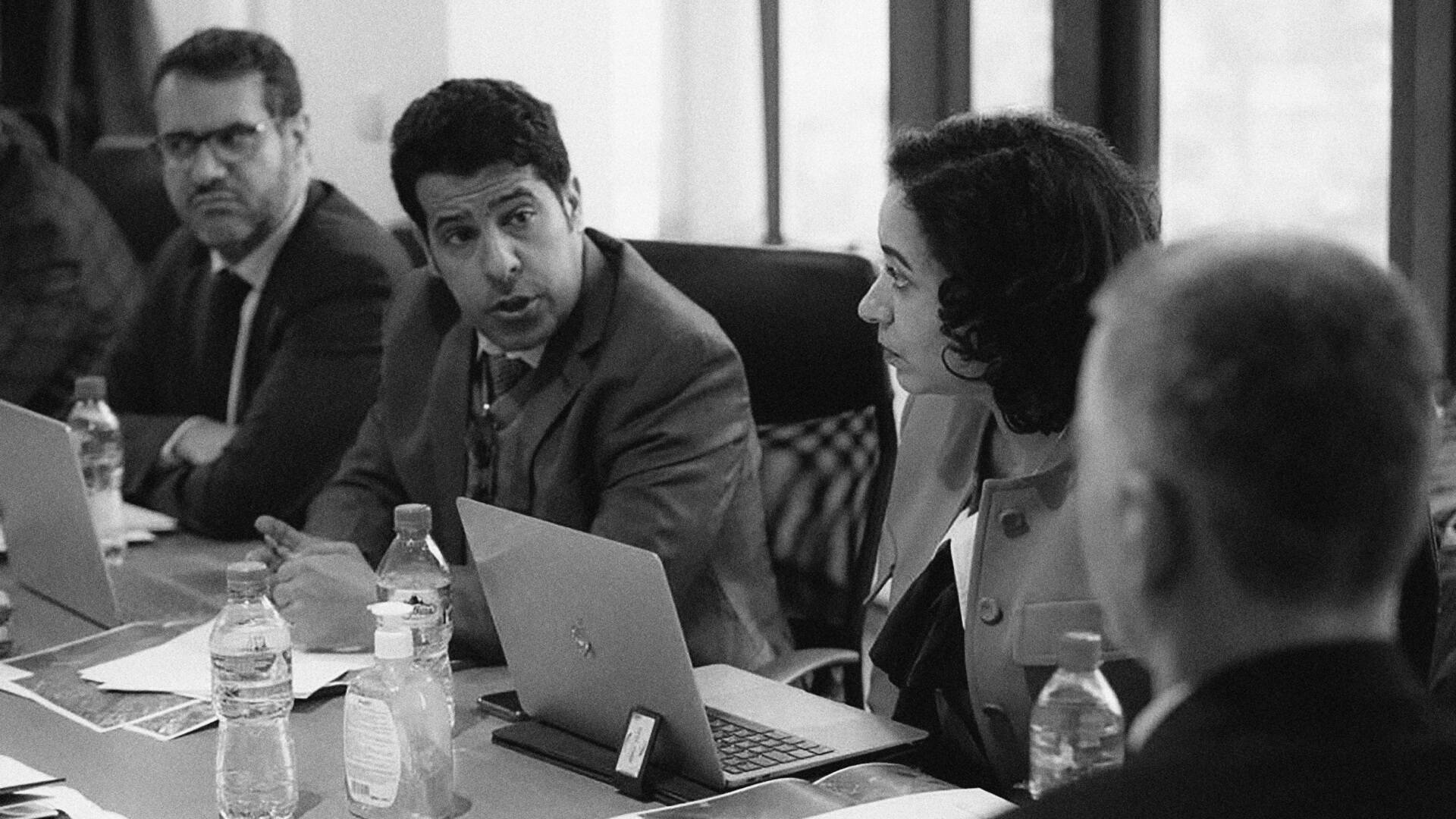
The Young Professional Development Program (YPDP), which I joined in April 2015, was a truly transformative experience. The program had been approved the previous summer and I was among the first cohort.
At the time, I had already worked a few years for the Libyan Investment Authority and then GIZ, the German development agency, on health system projects in Libya – but unfortunately the situation became too unstable. I had just returned to Vienna, where I had spent part of my school years, in early 2015, so it was serendipity that brought me to the OPEC Fund.
The selection process was intense and the interview was led by a panel of six department heads, which signaled the seriousness of the program. YPDP was designed as a two-year rotational scheme, giving young professionals exposure to multiple departments and a comprehensive understanding of the organization’s mandate. Performance was the only ticket to a permanent role, so the stakes were high.
We were among the youngest in the building, sometimes mistaken for interns. But the work was professional-level. It was much more than shadowing; we were expected to contribute meaningfully and substantially.
The YPDP “rotations” were invaluable. I spent time in the Director-General’s office, worked on grants and eventually moved to Public Sector Operations. My initial assignment was in the Department of Information, the precursor of today’s Communications Department. Those experiences helped me build relationships across the organization and understand how the different pieces fit together.
Today, I manage a diverse portfolio as a Country Manager in Public Sector Operations, covering countries in the Middle East, Central Asia and the Balkans. In some the OPEC Fund is currently re-engaging, while others are new partnerships. Restarting relationships can be challenging, but it’s also exciting.
No two days look the same. One day I might be negotiating terms for a loan; the next, I’m reviewing project proposals or coordinating with government officials. A huge part of my job is dedicated to relationships. Countries need to feel that we’re not just lenders but partners who bring value beyond financing. That means listening, understanding local priorities and sometimes helping find solutions that go beyond simple transactions.
I also spend time thinking how our operations align with broader development goals, from climate resilience to urban development. Cities fascinate me. More than half the world’s population lives in urban areas, yet many cities remain ill-prepared for climate change. Development work often focuses on basic needs like clean cooking, which is an important crosscutting initiative, but we also need to think about livability, sustainability and long-term resilience.
In this context the role of women in sustainable development cannot be overstated. When I moved from Communications – a field traditionally dominated by women – to Operations, I noticed a stark difference. Suddenly, I was often the only woman at the table or even in the room. That shouldn’t happen in 2026, yet it does.
Organizations talk about gender equality, set targets and publish glossy reports, but representation continues to lag. Women are often expected to take on traditional roles, which can bias perceptions in the workplace. However, those perceptions often change once you start working together.
Institutional leadership matters. It’s important to see more examples of women in professional positions and higher up the organizational chart. It’s also important that they support and mentor other women in the workplace. In every organization (or enterprise) the tone is set at the top.
For female beneficiaries in developing countries, priorities should go beyond access to education – although that remains critical. We need to think holistically: economic empowerment, safety, health and representation in governance. In infrastructure projects, for example, gender considerations shouldn’t stop at “build schools for girls.” They should include job creation for women, both white-collar and blue-collar and address health and safety standards where physical demands differ. I’ve seen this firsthand in discussions about railway projects in Türkiye. Put simply, how do we create opportunities for women without ignoring practical realities?
Another priority is narrative. Development communications often descend into images of destitution and desperation that strip people of agency. Putting a struggling mother on the cover doesn’t empower her; it reinforces stereotypes. We need to showcase women as leaders, innovators and equal partners in progress. Representation matters, not just in boardrooms but also in the stories we tell.
This means that development needs a shift in mindset. Countries come to us for solutions, not just loans. We need to add real value, which means providing technical expertise, knowledge sharing and innovative approaches tailored to local contexts. In other words, being agile, embracing technology and learning from the private sector’s adaptability without losing our development mission.
As I said earlier: No two days or projects are the same. Each brings its own challenges and rewards. What stays constant in my role at the OPEC Fund is the opportunity to contribute to meaningful impact.
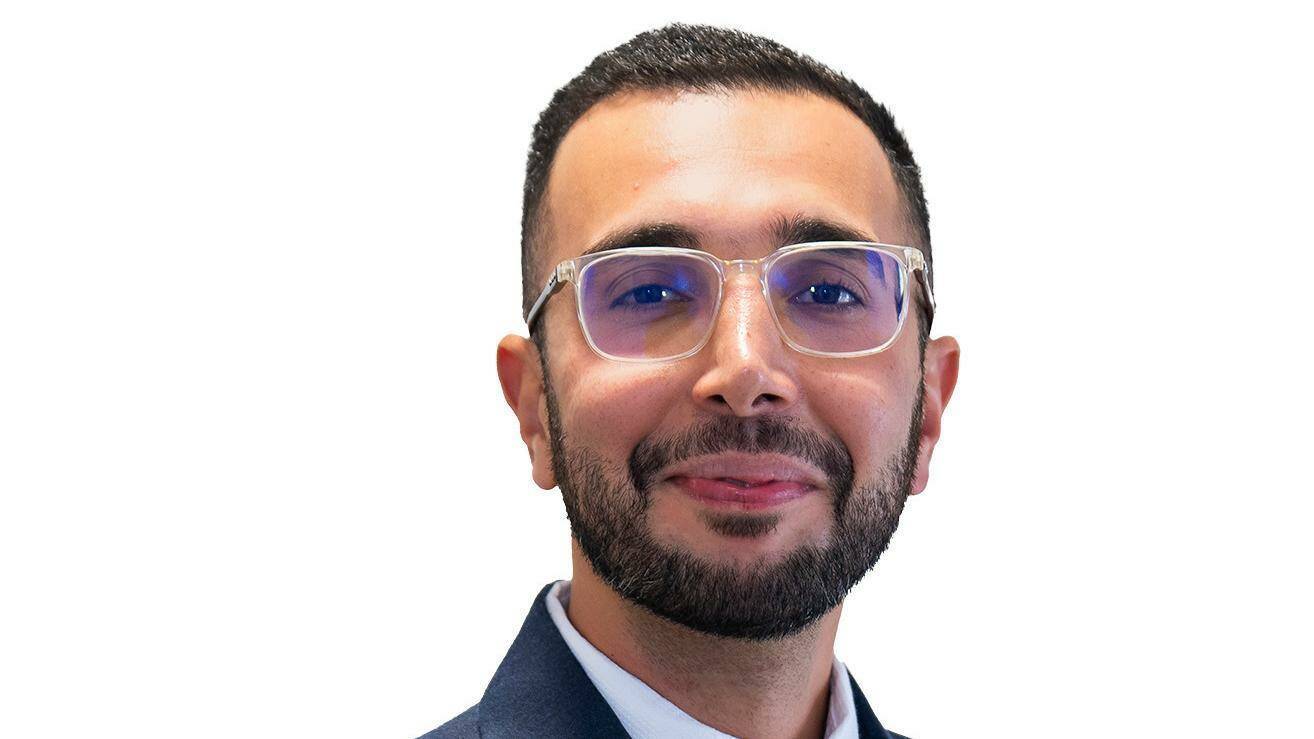
Danial Shakiba - Young Professional, Strategy, Sustainable Development & Partnerships, OPEC Fund
As an OPEC Fund YPDP since May 2024, I have learned that development finance is a complex process. One day you translate development impact into a sustainable, bankable loan in Finance. Next you are with Legal, realizing how a single paragraph can reshape a deal. Then in Operations you translate all of that into something that delivers results on the ground. And in Strategy you connect the operation to wider priorities, ensuring impact. Watching the same operation through different lenses adds depth to my learning.