We use Cookies. Read our Terms
Large or small: “Our projects can change lives”
A fairer, more inclusive approach to development begins with removing bias. Each of us can contribute – and make a difference
I was born and raised in Venezuela, a country rich in natural resources but shaped by deep development challenges. Growing up in that environment gave me an appreciation for stability and the need for sustainable development. After studying Economics and International Affairs, I cut my teeth in banking. This experience taught me how important energy is to economic growth and how listening to the needs of clients is essential to suggest and design suitable solutions.
I joined the OPEC Fund in 2014 in the Private Sector department, working on the origination, implementation and restructuring of projects. At that time, gender-focused policies were not as visible as they are today. My career progression was driven largely by curiosity, hard work and a willingness to take on new challenges – be it opening markets, contributing to working groups or engaging in policy discussions.
In recent years, though, I have seen tangible improvements. More maternity leave and flexible arrangements have made the organization more family-friendly. As the mother of a young child, these changes have been invaluable. The OPEC Fund’s evolving policies have helped me maintain a work-life balance without compromising my professional growth.
Over the years, I have worked on more than 50 projects. One of the most challenging and rewarding was in Honduras. The country had just launched an initiative to shift its energy matrix from 60 percent fossil fuels to 60 percent renewables. We supported the first solar independent power producer under this program. The Pacifico and Choluteca I/II 81.7MW Solar Power Plants project faced so many obstacles: the sponsor went bankrupt, a fire damaged the plant, while political and climate hurdles hampered progress.
Despite these setbacks, we navigated through and commissioned the project. Today, Honduras has achieved its renewable energy target; knowing we played a role in that transformation is deeply satisfying.
Beyond large-scale infrastructure, I have seen how smaller interventions can change lives. Through financial institutions, we have supported on-lending to small and medium-sized enterprises; for example, in 2021 via our US$25 million loan to Banco Promerica El Salvador. Visiting these businesses – including pharmaceutical labs, chocolate factories and agricultural ventures – has been eye-opening.
One case that touched me personally was a family-owned pharmaceutical company, led by a woman. With our financing, she built modern labs and expanded production, proving how access to capital can empower women entrepreneurs and strengthen local health systems.
We have also promoted gender equality through policy-based lending. In July 2025, we signed a US$50 million loan with Honduras to support the Women’s Empowerment and Social Inclusion Program, which includes reforms that address gaps in social protection and service delivery. Additionally, we have provided technical assistance to banks to help them track gender-related metrics in the Dominican Republic. It may sound simple, but many institutions lack this capability and without data, progress is hard to measure.
Sometimes, impact comes in unexpected ways. In Honduras, I visited a solar project where panel assembly was done entirely by women. The reason? Their hands were more suited to the delicate manual work required at the time. Seeing women excel in roles traditionally dominated by men reminded me that inclusion often starts with recognizing unique strengths.
For me, a more equitable and inclusive approach to development begins with removing bias, whether conscious or unconscious, or based on gender, race, disability or socioeconomic status. Bias limits opportunity and opportunity is the foundation of progress.
Education is the most powerful tool we have to break these barriers. Many inequalities persist because people lack access to quality education. While infrastructure projects remain essential, we at the OPEC Fund need to broaden our focus to more actively support education, especially early education and digital learning.
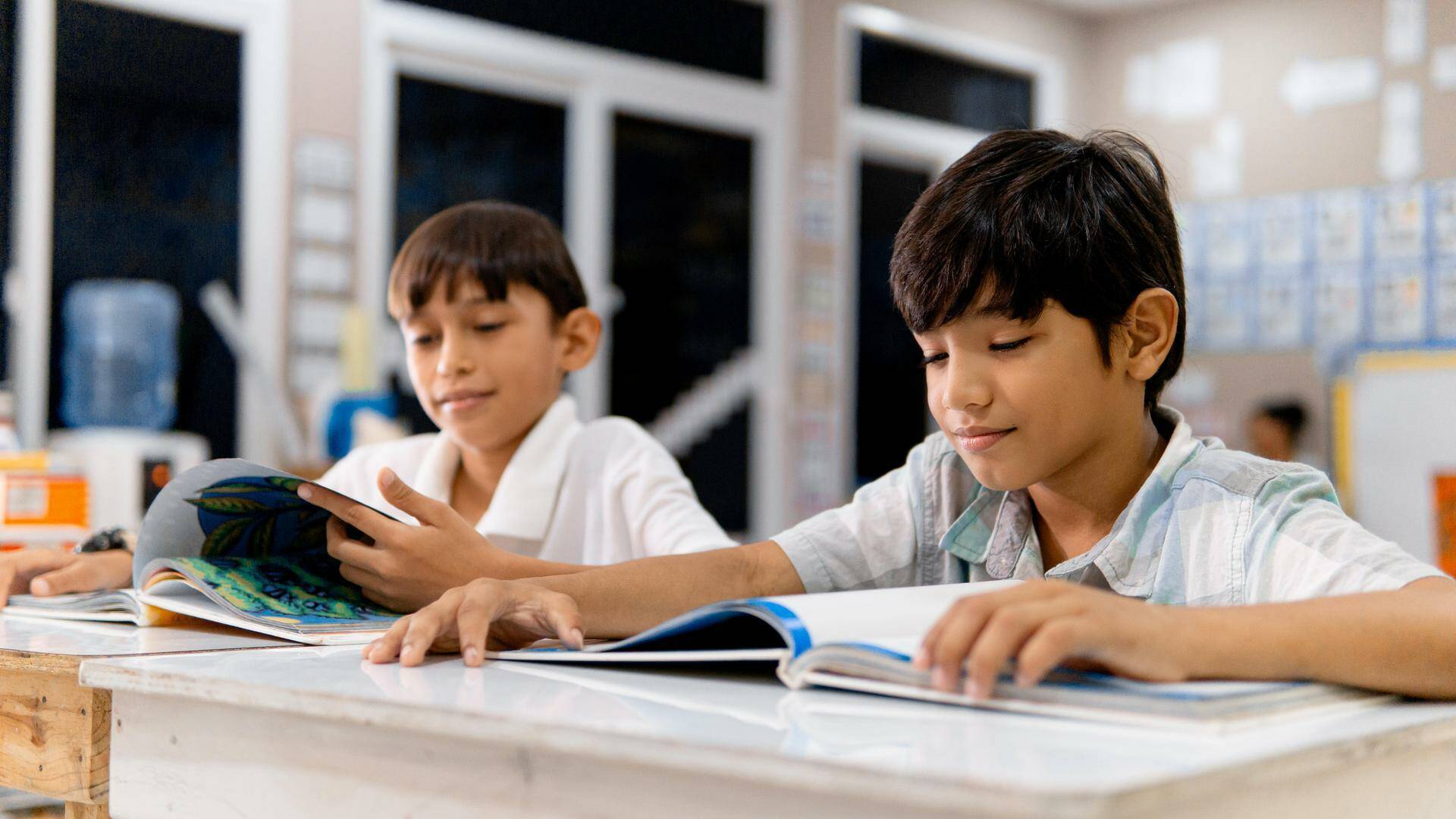
In remote areas, children often walk miles to school or miss classes because they have to take care of family members or collect firewood and water. I have seen this firsthand in rural Honduras. When we financed renewable energy projects there, electricity reached communities for the first time. Suddenly, children could study after dark. These ripple effects illustrate why it’s so important to actively integrate education into our development agenda.
Technology can help bridge gaps, but cultural change is equally important. Policies like paternity leave or pension reform may seem technical, but they can challenge deep-rooted norms while promoting shared responsibility. As development professionals, we can advocate for these reforms, design projects that prioritize inclusion and engage governments in conversations about long-term social impact.
This vision is not the responsibility of faceless institutions. Each of us can contribute by questioning our own biases, mentoring others and amplifying voices that may otherwise go unheard. Inclusion is not about favoring one group over another; it is about ensuring that everyone, regardless of gender, ethnicity or ability has a fair chance to thrive.
Today, I lead OPEC Fund Public Sector operations in Latin America, drawing on that broad exposure in every phase of project development, while continuing to contribute to our mandate. My journey – from Venezuela’s banking halls to the OPEC Fund in Vienna – has taught me that development is both systemic and personal.
Policies matter, financing matters, but what matters most is the human dimension: the woman who builds a pharmaceutical lab, the child who walks 5 km to school, the technician whose nimble hands assemble solar panels. These stories remind me every day of why we do what we do.