We use Cookies. Read our Terms
In the field: When feeding the people means nourishing the economy
The Philippines e-voucher program reduces food insecurity, improves nutritional quality and drives digital transformation
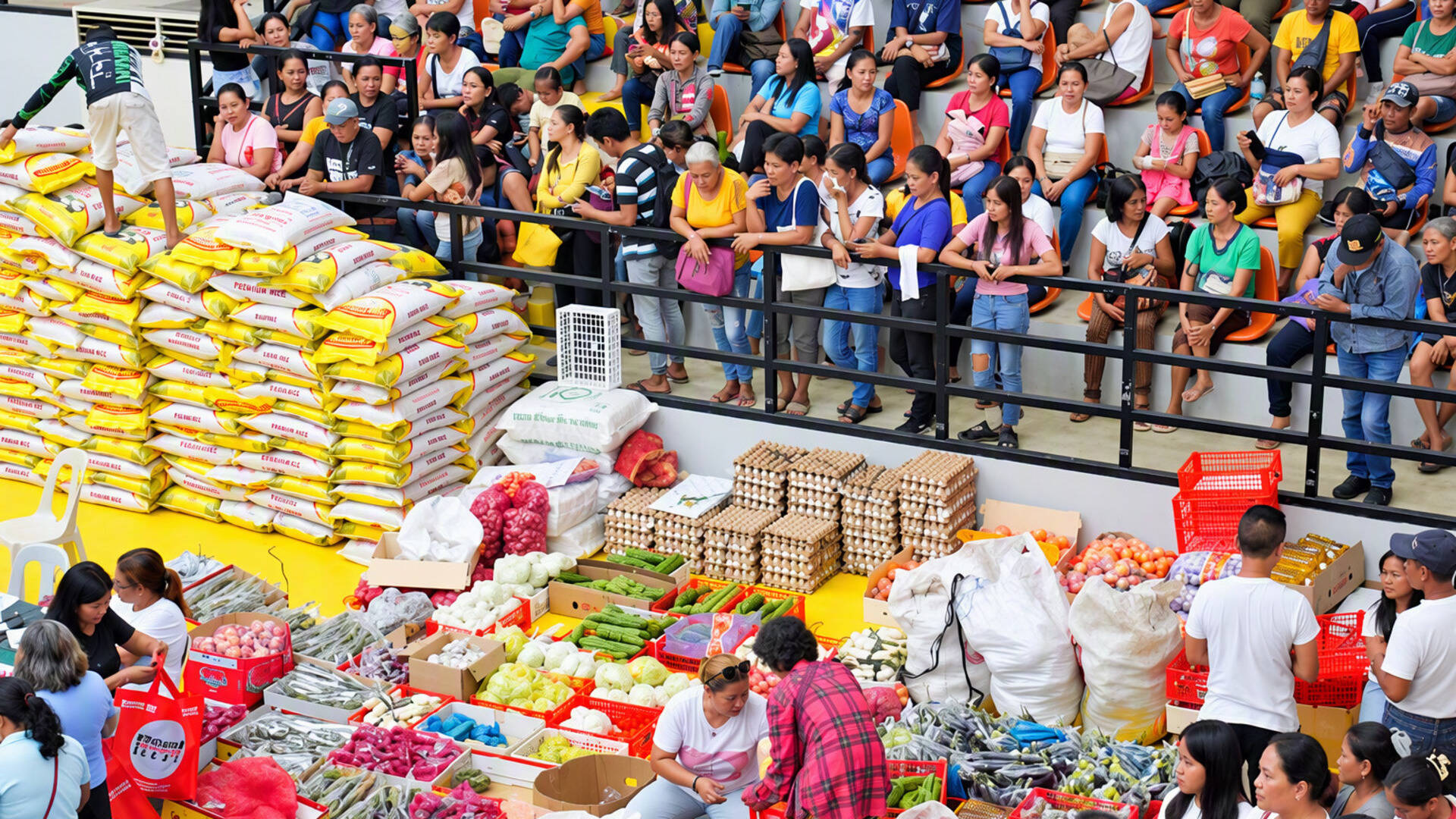
Photo: PIA/DSWD
The Philippines marked a major milestone in development this year with an upgrade to upper-middle-income country by the World Bank on July 1. This highlights a remarkable success story: Since 2010, the economy of the island nation has doubled in size. Reforms have created millions of jobs, reduced poverty and enlarged fiscal capacity. This is a promising start. But it is just the beginning.
Despite progress, development is uneven and the Philippines faces persistent economic inequality, leaving behind rural provinces dependent on farming and suffering from low productivity. A gross national income (GNI) per capita of US$4,850 conceals the fact that about 17.5 million Filipinos still live below the national poverty line, while roughly 55.6 million - almost half the total population - cannot regularly afford a healthy, diverse diet.
Given the fact that a well-nourished and healthy population is a prerequisite for sound development and economic progress, the Walang Gutom (Filipino for Zero Hunger) Program represents a joint effort to address this challenge. The program provides eligible low-income households with electronic cards loaded with 3,000 Philippine pesos (roughly US$50)-worth of monthly food credits, combining direct food assistance, nutritional education and skills training.
The OPEC Fund was one of the first supporters of the program run by the Philippines Department of Social Welfare and Development with a US$500,000 technical assistance grant for the project pilot. Country Manager Driss Belamine said: “This is a highly important and impactful project that tackles the twin challenge of food poverty and healthy nutrition. It is a prime example of what sustainable development means, combining quantity (provision of sufficient amount of food) with quality (securing a healthy diet).”
The Walang Gutom Program operates under strict rules: Beneficiaries can spend up to half their monthly ₱3,000 food credits on carbohydrates, up to 30 percent on protein and no more than 20 percent on dietary fiber. These parameters encourage households to diversify their purchases and help them move toward more balanced diets.
Vendors track purchases to check on nutritional compliance and respond to consumer demand. To remain in the program, beneficiaries must attend monthly classes, known as social and behavioral communication sessions that cover both nutritional education and livelihood-skills training, to help them maintain improved food security and nutrition beyond the program.