We use Cookies. Read our Terms
If these walls could talk…
A history of the OPEC Fund in four buildings
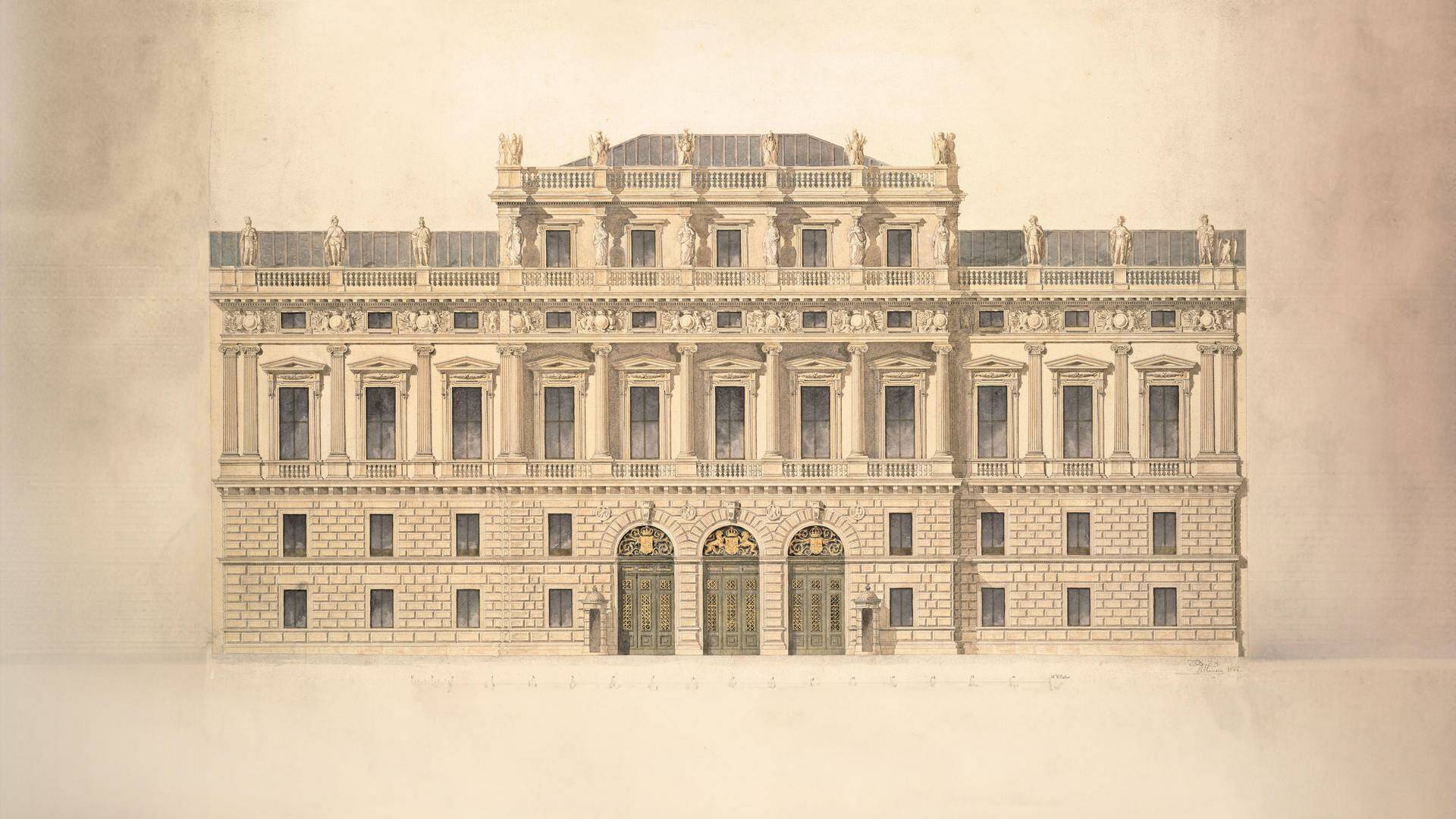
While supporting development in more than 125 partner countries worldwide, the OPEC Fund for International Development has always called one place home: Vienna. Throughout its 50-year history, the institution has left its mark on several distinguished addresses across the Austrian capital.
Each location helps tell the story of the OPEC Fund’s own evolution – from a “special account” operated by just three employees to a global multilateral development finance institution with more than 225 staff from nearly 60 countries today. Wherever the OPEC Fund took residence, it has enriched the legacy of buildings that have themselves witnessed centuries of history.
The early years
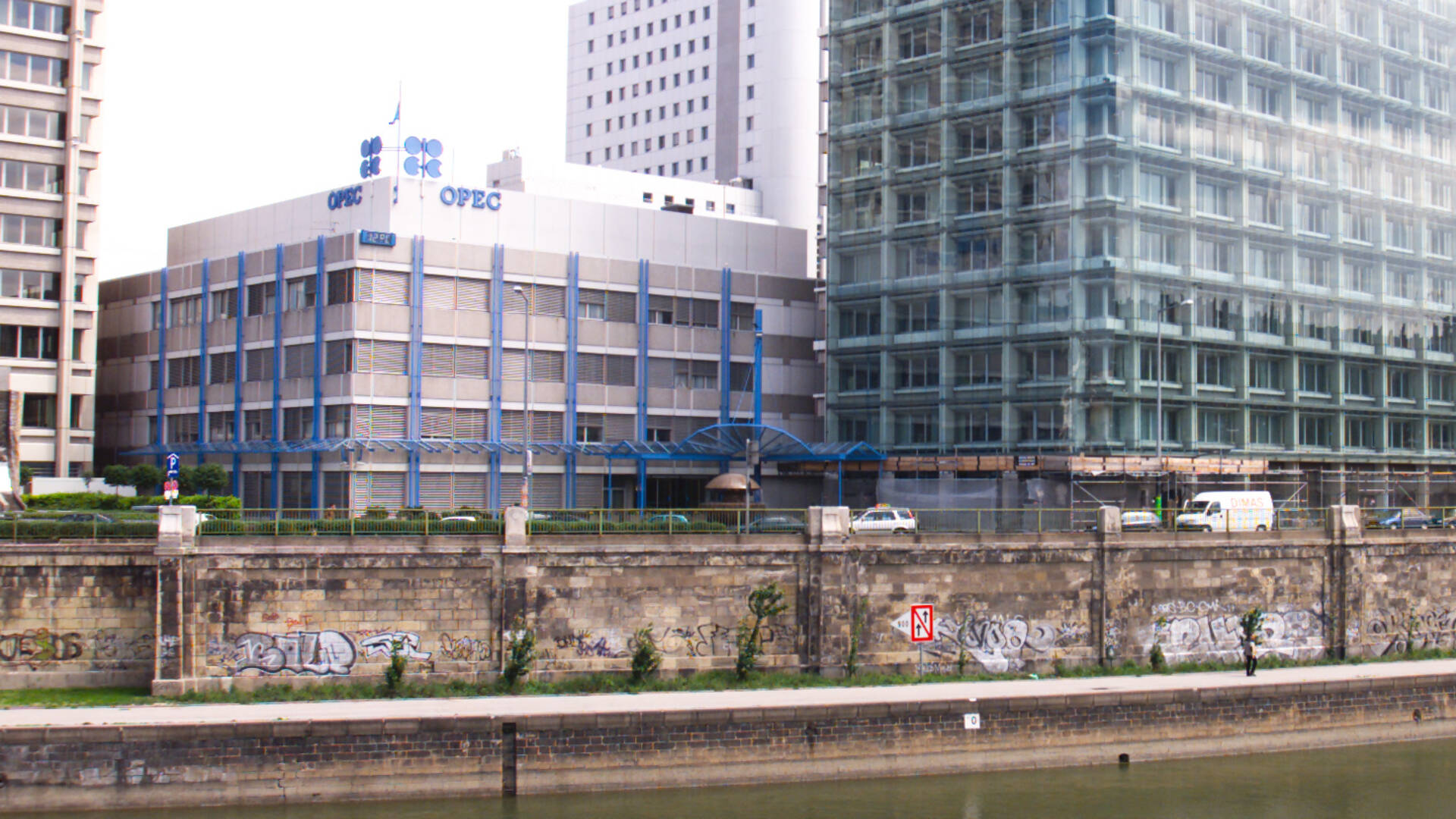
Obere Donaustrasse 93, 1976–1978
Conceived at the 1975 Conference of OPEC Heads of State in Algiers, the undertaking soon took shape as the OPEC Special Fund. Formally established in 1976, it was intended as a temporary channel of assistance – a practical expression of “the natural solidarity which unites OPEC countries with other developing countries in their struggle to overcome underdevelopment.”
Initially housed within OPEC’s Headquarters at Obere Donaustrasse 93, the offices overlooked Vienna’s Danube Canal on a site rich in cultural heritage. Once home to the historic Dianabad baths, the building became a dance hall in 1860 and hosted the first performance of the world’s most famous waltz, An der schönen blauen Donau, on February 15, 1867.
Within months of inception, the OPEC Fund signed its first financing agreements: balance of payments support for Sudan, Pakistan, Samoa and Mauritania, followed by a major contribution to the International Fund for Agricultural Development (IFAD) and technical assistance grants. The success of these early operations soon made clear the need for a permanent mandate – and a Headquarters to match its growing ambition. By late 1978, a new home in Vienna was secured.
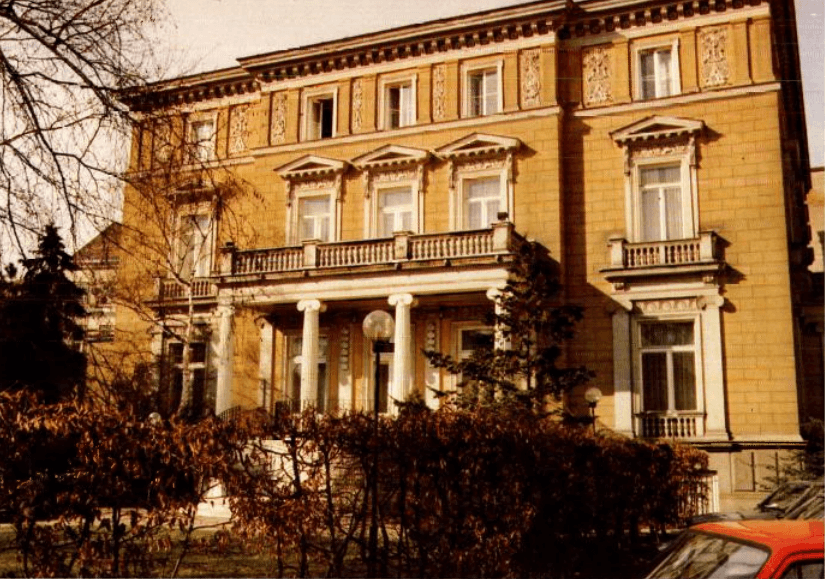
Palais Strudlhof, 1979-1982
The year 1979 brought more than a move to new premises. That September, an amendment to the constituent agreement authorized loan repayments to finance fresh operations, transforming the OPEC Special Fund into a permanent institution. By early 1980, it had gained full international legal personality and a new name: the OPEC Fund for International Development.
The prestigious Palais Strudlhof provided an apt setting for this progress. The building had hosted pivotal diplomacy before: in 1914, a secret Austro-Hungarian Council of Ministers meeting there finalized the ultimatum to Serbia, effectively setting the First World War in motion. In 1970, it housed the US delegation during the Strategic Arms Limitation Talks on nuclear disarmament with the Soviet Union.
Dating to the late 1800s, the neoclassical palais sits on a ridge in Vienna’s 9th district, overlooking the Strudlhof Steps – an iconic Jugendstil landmark and namesake of a celebrated Austrian novel. From its colonnaded balcony, one can glimpse Palais Liechtenstein, site of the 2023 OPEC Fund Development Forum. Yet Palais Strudlhof was only a temporary home. As the OPEC Fund’s activities expanded, so did its need for a flagship Headquarters – secured in 1981 along Vienna’s historic Ringstrasse.
The current OPEC Fund Headquarters
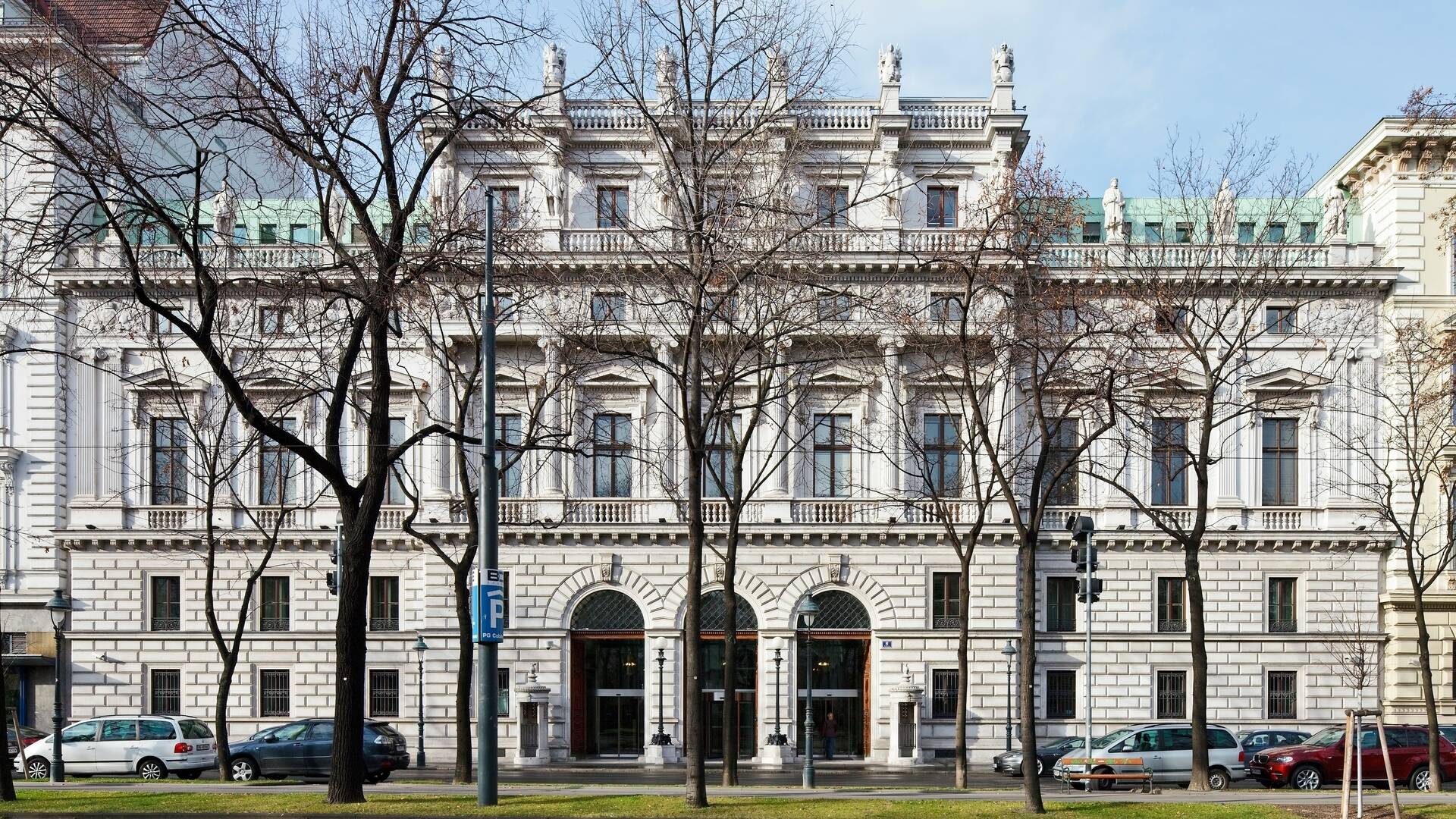
Palais Erzherzog Wilhelm, 1982–present
Also known as the Deutschmeister-Palais, the building at Parkring 8 – facing Vienna’s Stadtpark – has been the heart of the OPEC Fund for more than four decades. Following an extensive renovation after its purchase in 1981, staff moved into the new premises in late 1982.
The palais was designed by Theophil von Hansen, the renowned architect behind many of Vienna’s best known landmarks, most notably the Austrian Parliament, the Musikverein concert hall and the Academy of Fine Arts, all of which can be found on or near the same Ringstrasse where the OPEC Fund has its Headquarters.
The palais, completed in 1868, was originally the residence of Archduke Wilhelm Franz Karl of the ruling Habsburg dynasty and a cousin to Emperor Franz Joseph. He also served as Grand Master of the Teutonic Knights, a military religious order which later dedicated itself to charity. Its grand banquet hall, adorned with the coats of arms of individual Teutonic knights set high in the ceiling above ornate stucco marble walls and gilded fittings, today hosts the annual meetings of the OPEC Fund’s Ministerial Council and the quarterly meetings of its Governing Board.
Elsewhere, the Palais Erzherzog Wilhelm pays tribute to the archduke’s love of horses. The glass-roofed atrium once served as a passageway for carriages to pass straight through the main entrance to a second gate in the back, allowing guests to enter without soiling their feet. To the right, a stable could accommodate 24 horses; today it is a venue for exhibitions and gatherings.
To the left, a sweeping, red-carpeted staircase leads up to the bel étage where heads of state and other dignitaries have ascended from the time of the Archduke to the present day.
The OPEC Fund has carefully preserved the palais’ historic character while modernizing its workspaces. The palais has also become a center for dialogue on sustainable development – hosting conferences, technical workshops and high-level symposia.
As the OPEC Fund expanded, the need for additional space, and for new ways of working, became increasingly clear. Fortunately, the solution proved to be right next door.
The current OPEC Fund Headquarters
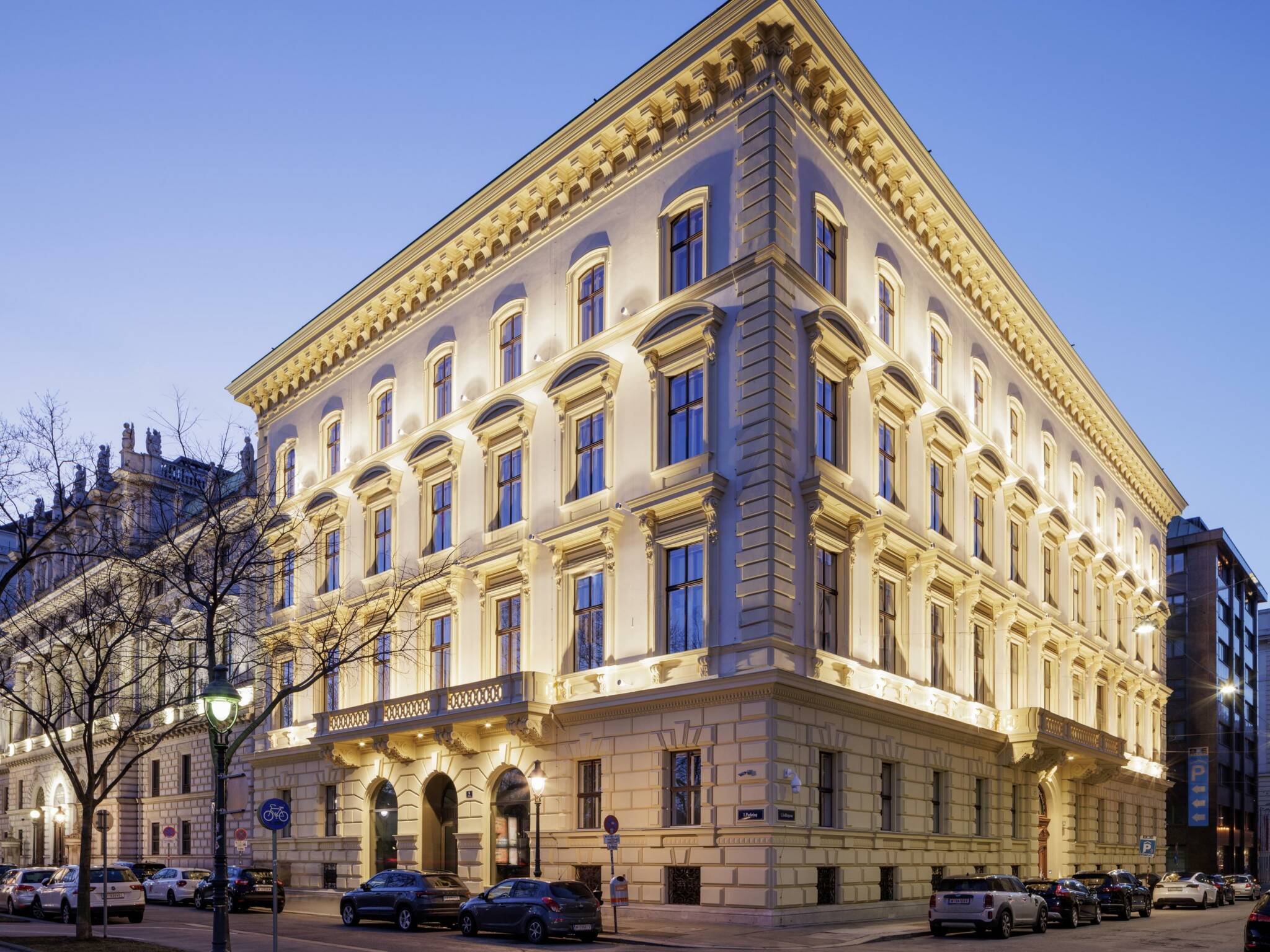
Palais Colloredo-Mannsfeld, 2024 - present
In 2021, the OPEC Fund purchased the adjacent building at Parkring 6, the Palais Colloredo-Mannsfeld. Designed in 1865 by the architects Romano and Schwendenwein, the neo-renaissance palace boasts its own historic pedigree. Although the Colloredo-Mannsfeld family only occasionally used it as a residence, the building remained in family ownership until 1958, when it was sold to a bank and commercially used for the next few decades.
By the time the OPEC Fund acquired the property, it was clear that extensive renovation was required to bring the palais back to its former glory.
When staff moved into the new premises in early 2024, they entered a space where heritage and modernity coexist seamlessly: historic rooms and a majestic staircase restored to their original elegance alongside state-of-the- art offices, collaborative spaces, a dedicated auditorium, a ground floor exhibition area and a rooftop terrace overlooking Stadtpark.
In recognition of this transformation, in 2024 Interior Design Magazine, a leading global trade magazine, honored the project in the category Office Transformation.
Today the building houses the Private Sector, Finance and Strategy Departments. Symbolically, it embodies the OPEC Fund’s next chapter, one defined by ambition, innovation and a commitment to driving sustainable development for decades to come.