We use Cookies. Read our Terms
Honoring the vision of our founders while building a framework to ensure even greater impact
From basic frameworks to guiding principles to new interpretations, the OPEC Fund’s top lawyer reflects on the legal evolution of international development
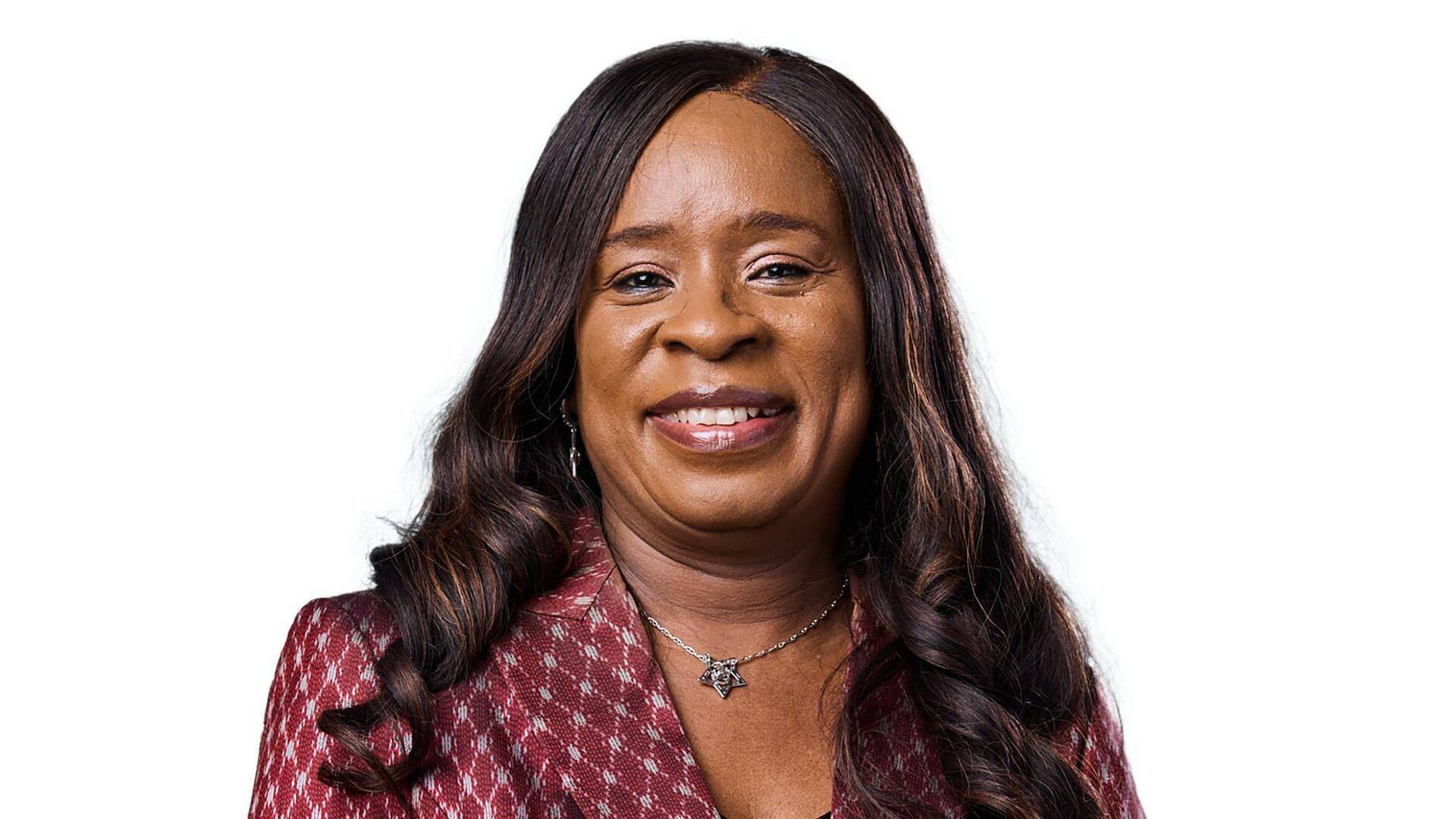
Photo: OPEC Fund for International Development
Growing up in Nigeria, the most populous country in Africa, I always had a strong sense of justice and a desire to fight for people whose rights had been overlooked. That passion led me to study Law and eventually to join the Bar in my home country.
I started my career in commercial banking, working as company secretary and legal adviser, a role I held for 10 years. Later, during a period of major reforms, I moved to investment banking where I focused on innovative equity and bond structures that were new to the Nigerian market. It was exciting and rewarding, but after two decades in the financial sector I felt a strong pull to “give back” more. Development finance offered that purpose.
When I learned about the OPEC Fund, I was intrigued by its mandate. Countries from the Global South had created an institution that supports other developing nations. As an African, living the development story every day, it felt right and natural to contribute to that journey. I joined the institution in 2010 as General Counsel and have stayed for 15 years because I know that every agreement we negotiate channels resources to the countries that need them the most. That impact keeps me motivated.
Now in its 50th year, our institution traces its roots to the 1976 Agreement Establishing the OPEC Special Fund, which created a temporary collective account for member contributions, overseen by the Governing Committee. The Special Fund was endowed with US$800 million, intended as a one-time commitment, with loan agreements signed by its head in the name of all contributing parties. A year later, members agreed to replenish resources and allow reflows from loan repayments, effectively signaling permanence.
In 1980, the Agreement was revised to establish the OPEC Fund for International Development as a treaty-based institution with independent legal personality. Three governing organs were created: Ministerial Council, Governing Board and Director-General (now President), who became the Chief Executive. This framework gave the institution the legal authority to operate as a permanent multilateral development institution.
In terms of guiding principles, the OPEC Fund’s South-South mandate draws on three provisions in the Agreement. Article 2.01 sets the objective to reinforce financial cooperation between OPEC member countries and other developing nations by providing financial support on appropriate terms. Article 3.01 defines eligible beneficiaries as governments of developing countries other than OPEC members, prioritizing the least developed and international agencies serving them. Article 4.01 states that core resources come from member countries. These provisions make the OPEC Fund unique: developing countries financing development in other developing countries, without prescribing policies, which distinguishes us from most multilateral development banks (MDBs).
Compared with other MDBs, our Charter is short and compact. That was deliberate. The founding members wanted a framework that was robust enough yet flexible, allowing the institution to adapt to changing circumstances. This flexibility has been a strength, enabling swift decisions and innovation. For example, the Agreement does not restrict instruments for assistance, so we can adopt new tools as needs evolve. This adaptability has served us well through interpretations and targeted amendments.
From launching our Private Sector Operations in 1999, to trade finance in 2006, to the authority to borrow in 2007, these interpretations have allowed the OPEC Fund to evolve without lengthy treaty amendments. Our Private Sector window opened new opportunities for impact, while trade finance supported regional integration. The authority to borrow laid the groundwork for our recent transformation into a market-facing institution.
The next big step was the adoption of our Strategic Framework 2030 (SF2030). The Agreement enabled the Financial Sustainability pillar of our SF2030 by allowing segregation of resources under Article 8. We created Special Capital Resources for least developed countries and Ordinary Capital Resources for better rated countries. This structure optimized our resource allocation, supported our risk management and paved the way to our first credit rating. That enabled our first bond issuance, contributing to our long-term financial sustainability and resilience.
Segregation was ultimately a technical exercise; a strategic move that allowed us to expand lending to middle-income countries while continuing to support the least-developed nations. By channeling a portion of income from ordinary resources into the special pool, we created a sustainable mechanism to grow support for least developed countries without relying on member country replenishments exclusively.
Borrowing has transformed the nature of the OPEC Fund, creating a sustainable financing source beyond member country contributions and expanding our stakeholder base to include rating agencies, market regulators, bondholders and private lenders. This in turn introduced new dimensions of accountability and transparency, aligning us with global financial practices. It also required a cultural shift: moving from a single-stakeholder model to a multistakeholder environment with rigorous disclosure obligations.
Today, we report to market authorities where our bonds are listed, such as the London Stock Exchange and maintain investor relations through public disclosures. These changes have strengthened our governance and positioned the OPEC Fund as a credible player in international capital markets. Does the Agreement cover everything? It remains a solid foundation, but development finance is always evolving – and interpretations will only go so far. Blended finance, thematic bonds and synthetic structures have become mainstream in recent years, but each new instrument needs to be properly assessed and integrated.
As General Counsel, I would welcome a new Charter for the institution’s 50th anniversary. In 2022, I led the most comprehensive governance review in our history, including proposals for a revised capital structure similar to other MDBs, with callable and paid-in capital. These changes were not adopted at the time, but they remain relevant for any future general capital increase. Incorporating them would strengthen alignment with international best practice and enhance financial resilience.
A new Charter could also be used to codify innovations introduced through interpretation, such as private sector operations and borrowing authority, while creating space for future instruments. The goal is not to abandon the flexibility that has served us so well, but to support it with a framework that promotes scale, sustainability and impact for decades to come.
As we approach the OPEC Fund’s 50th anniversary, I find myself reflecting on both the journey and the future. Personally, the Golden Jubilee reinforces why I joined the institution: to make a tangible difference in the lives of ordinary people in developing countries. Professionally, it underscores the responsibility we carry to ensure the OPEC Fund remains relevant and resilient.
The world has changed dramatically since 1976 – as have the needs of our partner countries. Our legal foundation has enabled us to adapt, but the next chapter will demand even greater agility. The challenge is exciting. It is about honoring the vision of our founders while building a framework to ensure even greater impact over the next 50 years.