We use Cookies. Read our Terms
Gender equality in action: The OPEC Fund’s contribution
The institution’s strategy identifies gender inclusion as a guiding principle. Examples worldwide show how this is being translated into reality
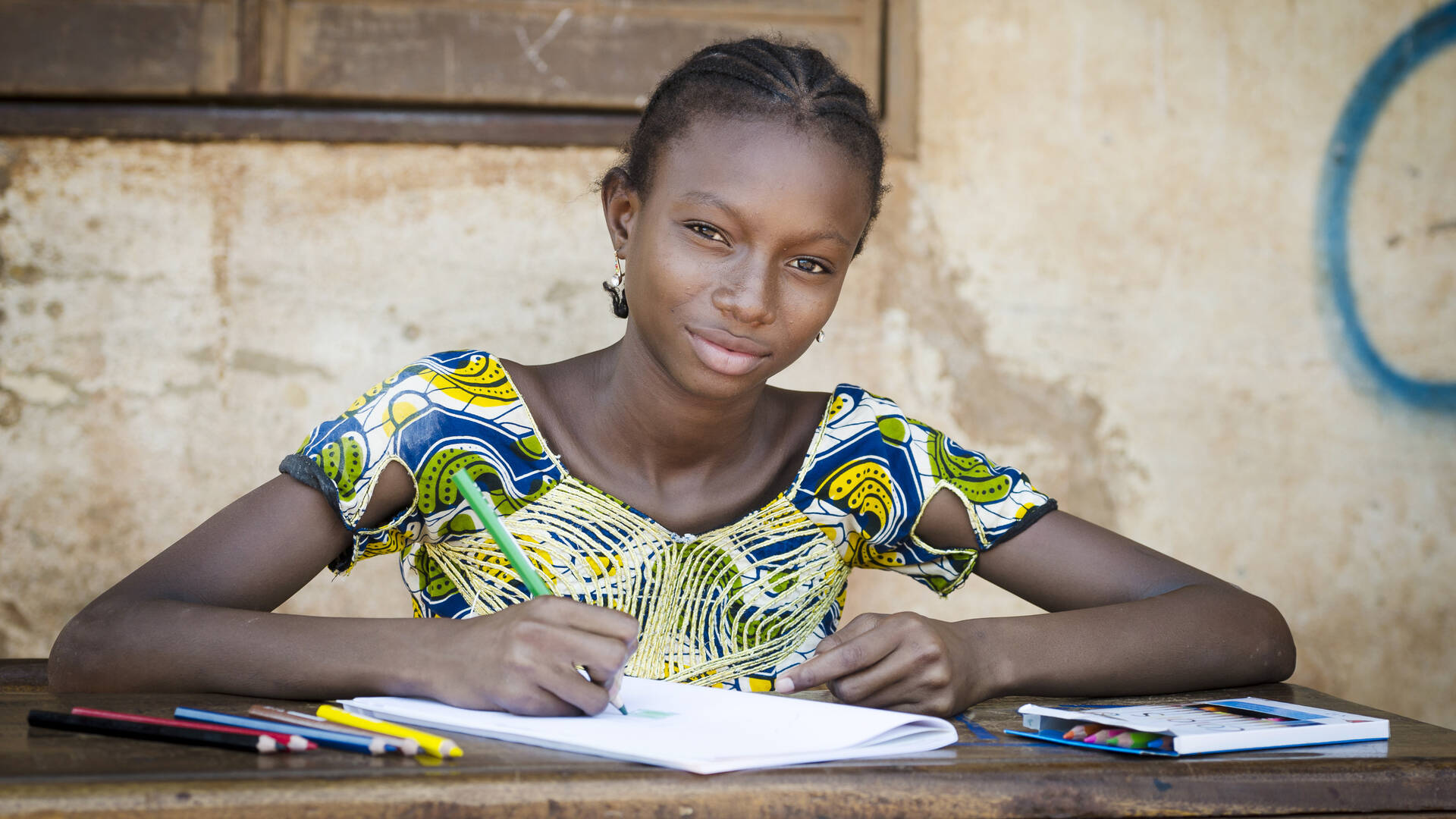
Photo: Riccardo Mayer/Shutterstock
Gender equality is embedded in the OPEC Fund’s work. Our current strategy identifies inclusion as a guiding principle and prioritizes initiatives that advance women’s economic participation, leadership and entrepreneurship.
This commitment is reflected in the OPEC Fund’s project delivery. Between 2018 and mid-2025, 35 operations with gender-disaggregated reporting benefited nearly 750,000 women across agriculture, education, finance, transport and infrastructure.
Agriculture accounted for the largest share (more than 300,000 women), followed by transport and storage (almost 200,000) and banking and financial services (over 130,000). Asia recorded the highest number of female beneficiaries (355,000), with Africa close behind (278,000). Public Sector operations generated the greatest measurable impact, supporting well over 600,000 women.
Concrete examples illustrate how gender mainstreaming drives stronger development outcomes.
1 - Burundi
Food Security and Rural Development Program
Improved irrigation infrastructure and feeder roads, enabling sustainable agriculture and market access. Women held one-third of leadership roles in cooperatives and community committees, participated in training and benefited from improved nutrition and income opportunities. Gender Action Learning Systems strengthened decision-making and reduced gender-based violence, while vocational training equipped young women with practical skills.
Results:
- 81.9 percent of households (including female-headed) reported increased assets, including improved housing and access to solar panels, mobile phones, radios and bicycles.
- Training reached 1,925 participants of which 958 were women.
- Women benefited from improved access to food and nutrition through project interventions.
2 - Africa
Regional Education Finance Fund for Africa (REFFA)
More than 55,000 female borrowers accessed education finance products across nine countries, reducing dropout rates and improving learning environments.
Results:
- REFFA has provided education finance to 55,199 female borrowers, representing 36 percent of the total portfolio for learners and students. These loans primarily supported women from families with micro and small enterprises background.
- In addition, the program financed education providers, indirectly benefiting thousands of girls through improved infrastructure and learning environments.
3 - Viet Nam
Dam Vac Bridge Project
Better connectivity opened access to jobs, healthcare and education for nearly 180,000 women.
Results:
- Improved connectivity through the bridge significantly enhances mobility for women, facilitating better access to markets, healthcare, education and employment opportunities.
4 - Nepal
Rural road programs
Generated millions of person-days of employment, with women comprising 36 percent of the workforce and 43 percent of leadership roles in building groups. Women also gained skills in microfinance and enterprise development, strengthening economic resilience.
Results:
- All employed were from poor and excluded groups.
- The project generated 4.94 million person-days of employment.
- A microfinance access program was piloted in nine districts with 2,884 members of which 66.5 percent were women.
5 - Zimbabwe
Agricultural empowerment
Fifty-nine percent of beneficiaries under the Smallholder Irrigation Revitalization Project were women, who also reported gains in nutrition, financial inclusion and land access. Gender champions trained under the program reported reductions in domestic violence and fairer household decision-making.
Results:
- 86.5 percent of women reported improved dietary quality, surpassing the target of 60 percent.
- Female-headed households saw increased access to land: 51.7 percent in irrigated areas and 73.1 percent in dryland areas.
- Access to financial products increased from 21 percent to 79 percent for female-headed households and women accessed diverse financial products.
6 - Benin
The Horticulture Development Project
Trained nearly 6,000 women in income-generating activities and provided access to climate-resilient technologies, boosting productivity and food security.
Results:
- 2,532 women gained access to technologies for the reduction of greenhouse gas emissions – 100 percent achievement.
- 5,767 women were trained in income-generating activities and enterprise management – 100 percent achievement.
7 - Global
Microfinance for market access
Women accounted for 84 percent of borrowers under the Microfinance Enhancement Facility, with strong representation in rural areas and productive sectors. Investments supported women-led microenterprises and improved financial literacy, while partner institutions adopted gender-sensitive practices in client protection and employee welfare.
Results:
- 84 percent of borrowers were women, including women, women-headed households and women-led MSMEs.
- In South Asia, the figure was 98 percent, largely due to Indian MFIs focusing on women borrowers.
- MEF’s partner MFIs served 21 million borrowers, with 475,000 directly attributable to MEF funding, 37 percent of loans for microenterprises and 21 percent to small and medium-sized enterprises.
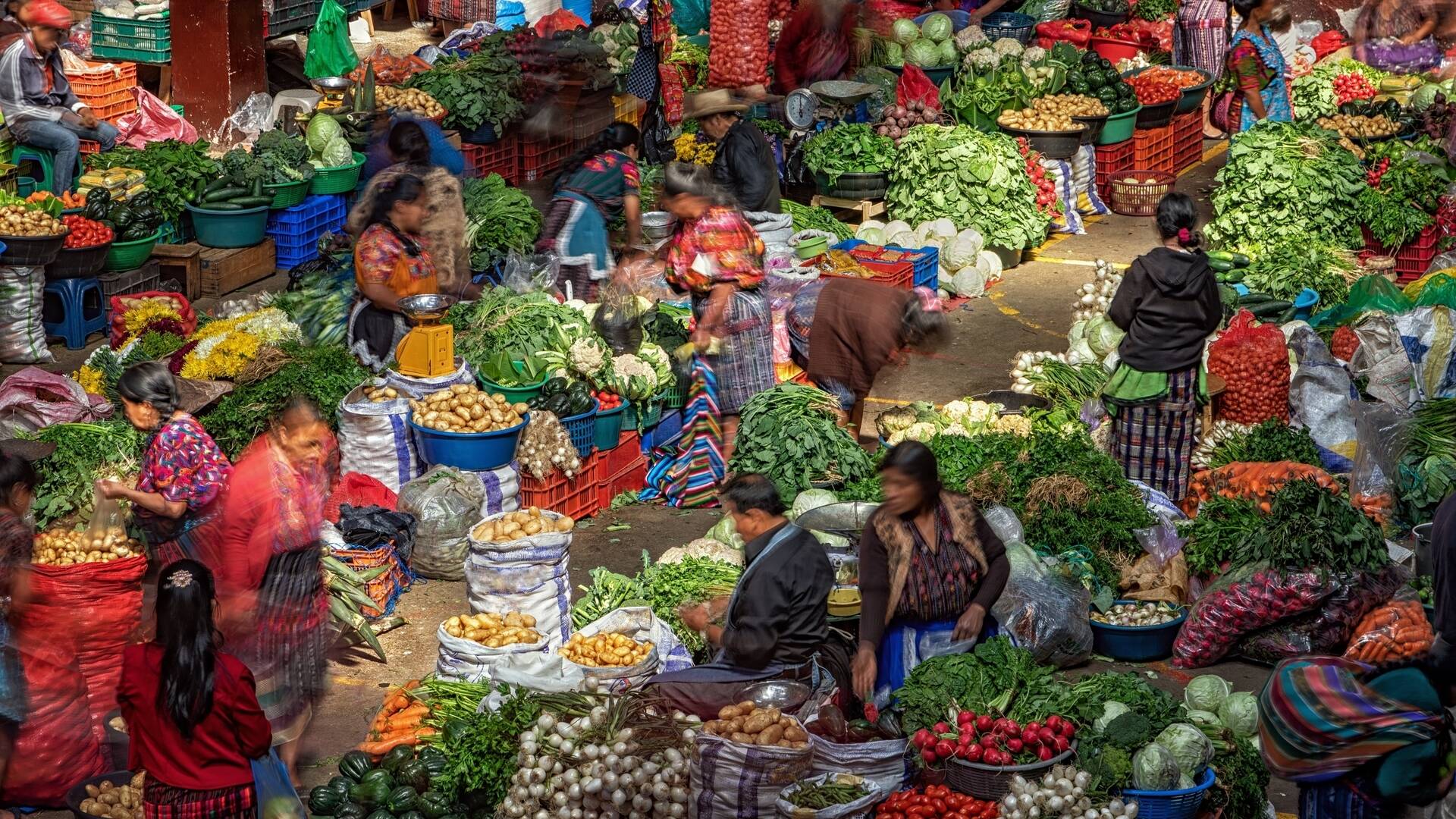
8 - Guatemala and Sudan
Leadership and “time poverty” reduction
Women gained a stronger voice in local governance, benefitted from improved water and energy infrastructure, and built skills in agriculture and vocational trades. Savings groups enabled financial independence by freeing time previously spent on basic household needs.
Results:
- 51.3 percent of program participants were women, exceeding the target of 30 percent.
- 60 percent of female participants were heads of household, surpassing the 20 percent target.
- 30.23 percent of women started productive ventures and 34 percent improved their housing conditions.
Spilling the beans
These results demonstrate how integrating gender priorities creates more resilient communities and more inclusive growth. As the 2018 report Turning Promises Into Action by UN Women noted: “Development will only be sustainable if its benefits accrue equally to both women and men; and women’s rights will only become a reality if they are part of broader efforts to protect the planet and ensure that all people can live with dignity and respect.”