We use Cookies. Read our Terms
From climate to conflict - small island developing states again pay the price
Immediate help is necessary – led by grants, concessional financing and knowledge transfers
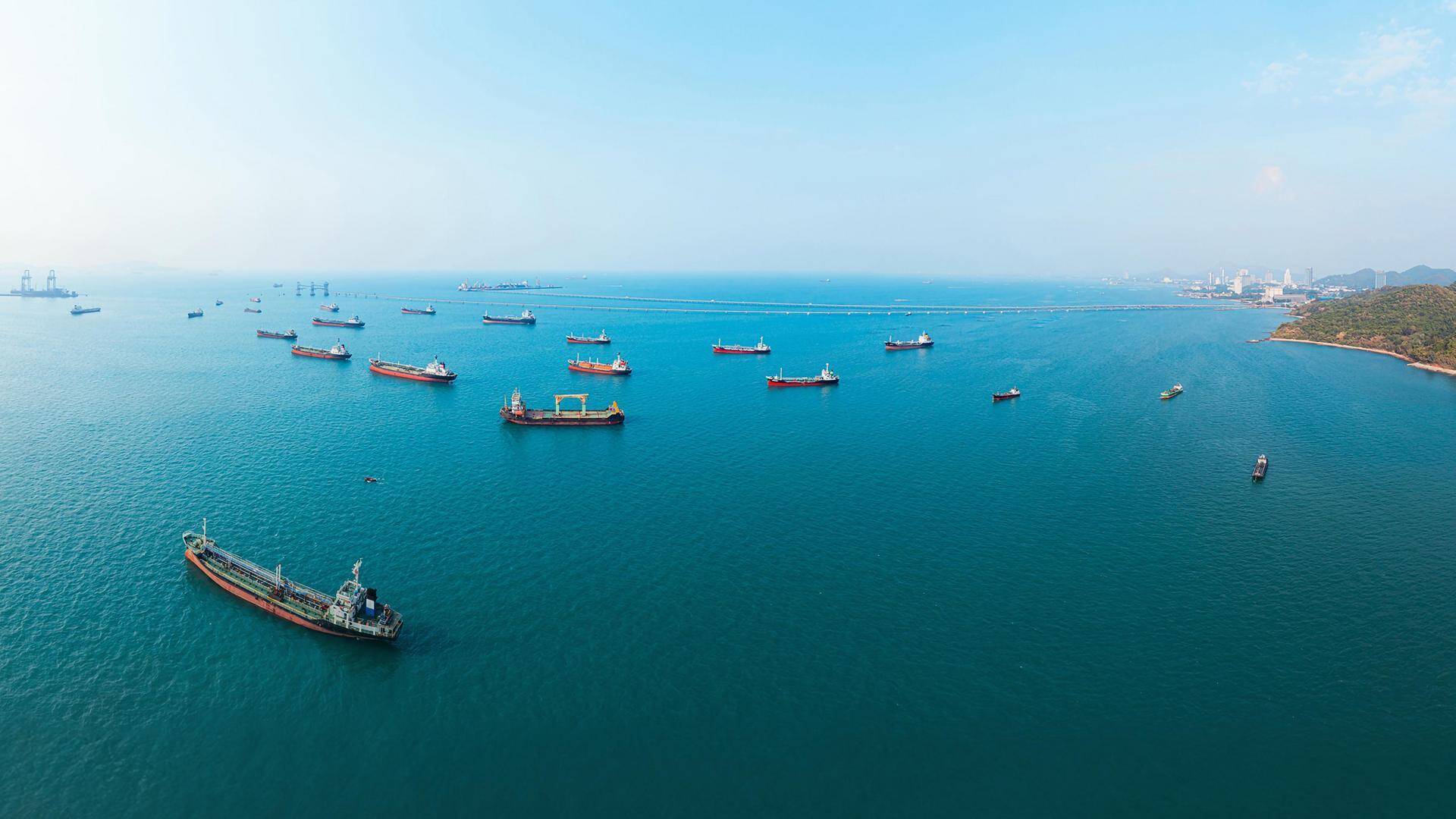
Photo: AU USAnakul/Shutterstock
Despite a fragile truce between Iran and the US, the war has caused global energy, fertilizer and petrochemical price shocks – driven by shipping disruptions through the Strait of Hormuz, along with damage to regional energy infrastructure.
The IMF and World Bank stress that commodity-importing developing economies face the largest macroeconomic spillovers. These come in the form of higher oil, gas, fertilizer and food prices, tighter financial conditions and currency pressures. Second‑round fuel and food price effects have become the main drivers of inflation.
When we look specifically at small island developing states (SIDS), we see how these price shocks feed into domestic inflation – reflecting their high import dependence, small market size and limited scope for substitution. Sustained disruption in Hormuz could keep oil prices structurally elevated throughout 2026, even with a partial normalization of energy production and exports. That in turn raises the risks for SIDS that are still dealing with the after-effects of natural disasters, the earlier price shock from the war in Ukraine, along with the lingering disruptions of the COVID-19 pandemic.
We look at how the three main regions have fared, along with the outlook in the face of lingering uncertainty.
Caribbean SIDS
Almost all Caribbean SIDS are net importers of oil, gas, fertilizers and petrochemicals, with energy inputs critical for electricity generation, transport, tourism and food distribution. Higher oil prices directly widen merchandise trade deficits, while higher shipping and petrochemical costs raise import values across food and manufactured goods, weakening current accounts and overall balances of payments.
Fiscal balances deteriorate as governments expand fuel subsidies, cap electricity tariffs or increase social transfers to cushion households, repeating patterns observed during earlier commodity spikes caused by the war in Ukraine. However, while these measures help stabilize economies in the short term, over the following years the costs can become severe: primary fiscal deficits (i.e. before interest payments are factored in) can widen, debt stocks can increase and debt servicing can become more difficult. Fiscal-debt pressures are already rising in some Caribbean states.
Inflation effects are pronounced. The food and energy inflation pass‑through effect in SIDS is larger and more volatile than in other developing economies, while Caribbean consumer baskets (i.e. typical purchases) are particularly energy‑ and food‑intensive. As a result, several central banks face a delicate trade‑off between supporting post‑pandemic tourism recovery (by keeping interest rates low to support credit for rebuilding and investing) and anchoring inflation expectations (by raising rates to prevent price spirals becoming entrenched).
On balance, the impact on economic growth appears mixed but negative. Higher travel and operating costs squeeze tourism margins, just as household real incomes fall. While some energy‑exporting Caribbean economies (e.g. Trinidad & Tobago) gain from higher hydrocarbon prices, the region overall experiences weaker growth as financial resources are diverted to pay for higher fuel, food, transport and other goods – money that could rather have been invested in productive efforts. Exchange rates also tend to come under depreciation pressure in non‑pegged regimes (including Jamaica, Guyana and Suriname), particularly where foreign exchange reserve buffers are thin, reinforcing imported inflation.
Pacific SIDS
Pacific SIDS face even greater exposure due to extreme remoteness (particularly Fiji, Samoa and Tonga, but all other island nations are affected too), and a heavy reliance on imported diesel for power and transport (especially vast inter-island distances – a unique characteristic of Pacific SIDS). Higher oil and shipping costs significantly raise the landed cost of all imports, amplifying the terms‑of‑trade shock. The current account impact is severe: fuel imports often account for 10–20 percent of total imports, so price increases can rapidly widen external deficits. Grant inflows and remittances provide some offset, but these are insufficient under sustained energy price stress. Pacific SIDS experience particularly strong second‑round inflation because transport costs feed into food prices, construction materials and public services.
At the same time, fiscal pressures intensify as governments need to absorb fuel cost price rises for public utilities and inter‑island transport. Meanwhile, limited administrative capacity makes targeted support difficult, raising the risk of inefficient, broad‑based subsidies that strain budgets even more.
Overall, economic growth slows as public investment is crowded out and private activity, which is already shallow and thinly spread, weakens. Exchange rate dynamics differ by regime, but in more flexible systems higher import bills and weaker global sentiment contribute to depreciation, compounding inflationary pressures. Longer‑term, the shock strengthens the case for accelerating investment into renewable energy to reduce structural exposure. The Pacific SIDS that have made the greatest investments in solar, hydropower and biomass to transition away from imported diesel include Tokelau (nearly 100 percent solar), Apolima in Samoa (100 percent solar), and Fiji (50-60 percent via large-scale hydropower).
Indian Ocean SIDS
Indian Ocean SIDS (e.g. Comoros, Maldives, Mauritius and Seychelles) combine high energy import dependence with open capital accounts and tourism‑led growth models. As with other SIDS regions, higher oil prices raise electricity, water desalination and air transport costs, directly affecting tourism competitiveness and service exports.
For these economies, the balance‑of‑payments channel is two‑sided: import bills rise sharply, while tourism receipts may soften if global growth slows or travel costs rise. Prolonged high energy prices would suppress global demand, indirectly reducing arrivals and foreign exchange inflows to Indian Ocean tourism hubs such as the Maldives, Mauritius and Seychelles.
Meanwhile, inflation is accelerating due to rising fuel and food prices, with limited scope for domestic price smoothing. Central banks face credibility challenges where pass‑through is rapid and expectations are weakly anchored. Fiscal balances worsen as energy‑related subsidies expand, undermining medium‑term fiscal consolidation plans as set out in IMF lending programs.
Exchange rate regimes across the Indian Ocean SIDS are mostly pegged (either to the US dollar or a basket including the US dollar, euro and British pound) or have central banks that actively intervene in local foreign exchange markets to manage stability. While this helps smooth initial external shocks, it requires large foreign exchange reserve buffers (e.g. six months of import cover), which many countries do not have. This puts downward pressure on current accounts, as seen in SIDS that operate under floating exchange rate regimes. Without large foreign exchange reserves, the same problems arise. Growth is expected to slow, particularly where tourism‑linked investment is postponed.
Outlook: Yet more struggle
The impacts from the war in Iran are clear: high oil, gas and fertilizer prices act as a regressive external shock for most SIDS, weakening current accounts, undermining fiscal balances, depleting foreign exchange reserves, raising inflation and slowing growth. The energy, food and fertilizer shock magnifies pre‑existing structural vulnerabilities that are already known. Policy advice includes targeted social protection, avoidance of broad-based fuel subsidies and accelerated energy diversification to reduce long‑term exposure to geopolitical commodity shocks. Immediate help is necessary – led by grants, concessional financing and further knowledge transfers to boost capacity.