We use Cookies. Read our Terms
From a rooftop farming experiment to a lifeline for 350,000 Bangladeshi farmers
Meet our Annual Award winner: iFarmer
Many great ideas rise from the ashes of failure. For Fahad Ifaz and Jamil Akbar, that moment came about six months after they launched what they'd originally conceived as an "Uber for urban farming" — a platform letting people lease rooftops and unused plots for small-scale farming in Bangladesh's cities. The concept generated interest, but not the kind of scale or impact the founders were looking for. So, in August 2018 they pivoted toward a much bigger and more entrenched problem: the millions of smallholder farmers across rural Bangladesh who were, and largely still are, locked out of the tools that could make their farms profitable.
Agriculture employs close to 40 percent of Bangladesh's workforce and accounts for roughly 12 percent of its GDP, yet the sector runs on remarkably thin institutional support. An estimated 70 percent of the country's farmers lack access to formal financing, leaving many to borrow from traders, moneylenders or family at interest rates that can run as high as 30 to 70 percent. Add fragmented markets, limited bargaining power and growing climate risk, and it becomes clear why so many smallholders stay locked in place year after year, regardless of how hard they work.
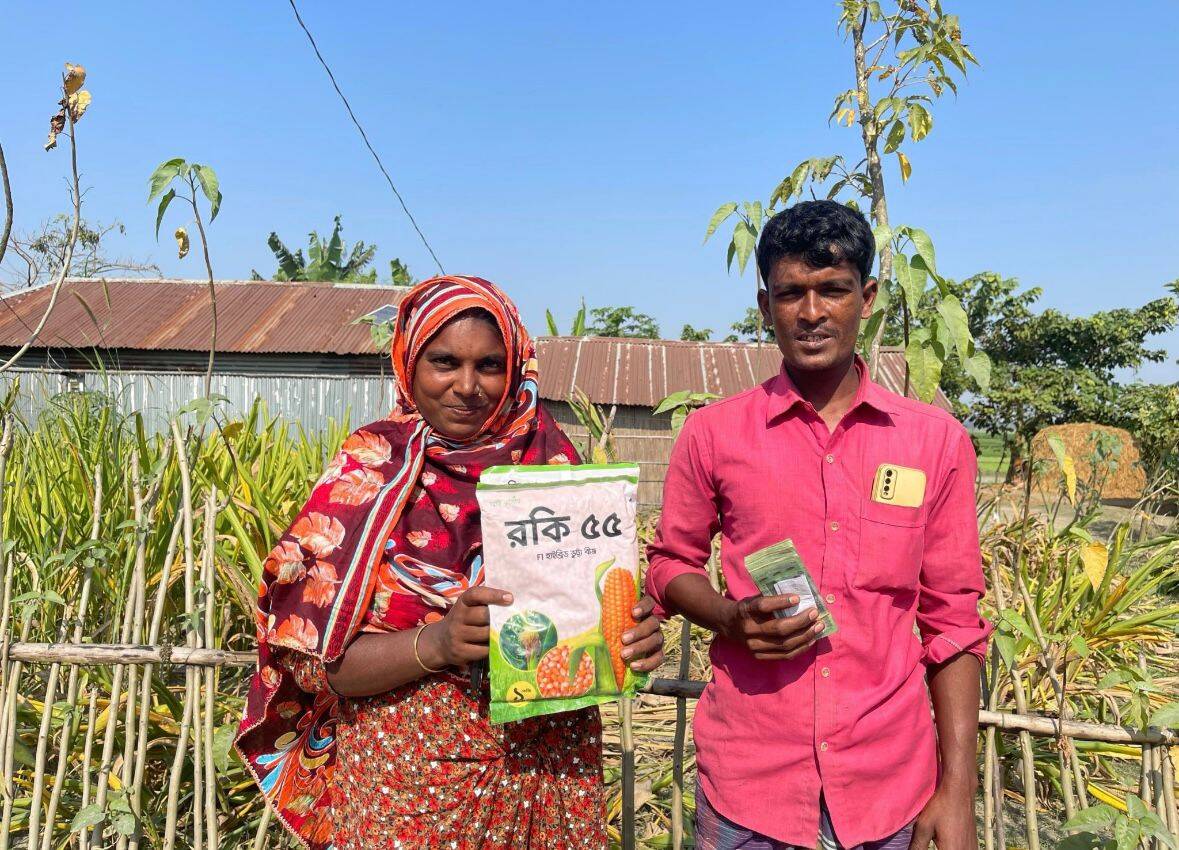
iFarmer set out to fix each piece of that puzzle at once, rather than one in isolation. Through its platform, farmers gain access to affordable financing; quality seeds, fertilizer and other inputs; agronomic advisory services and real-time weather alerts to help manage climate risk; and, crucially, direct connections to buyers that cut out layers of middlemen and help farmers capture a fairer share of the final sale price.
The company's financing model has itself evolved over time. iFarmer initially connected individual retail investors directly to farm projects, sharing in the returns once harvests came in — an approach that helped prove the model and build a track record of farmer creditworthiness. That foundation has since supported a shift toward institutional capital, with financing and investment from organizations including IDLC Venture Capital, Startup Bangladesh, Nexus for Development's Pioneer Facility and Symbiotics, allowing iFarmer to extend credit and inputs to far more farmers than a purely peer-to-peer model ever could.
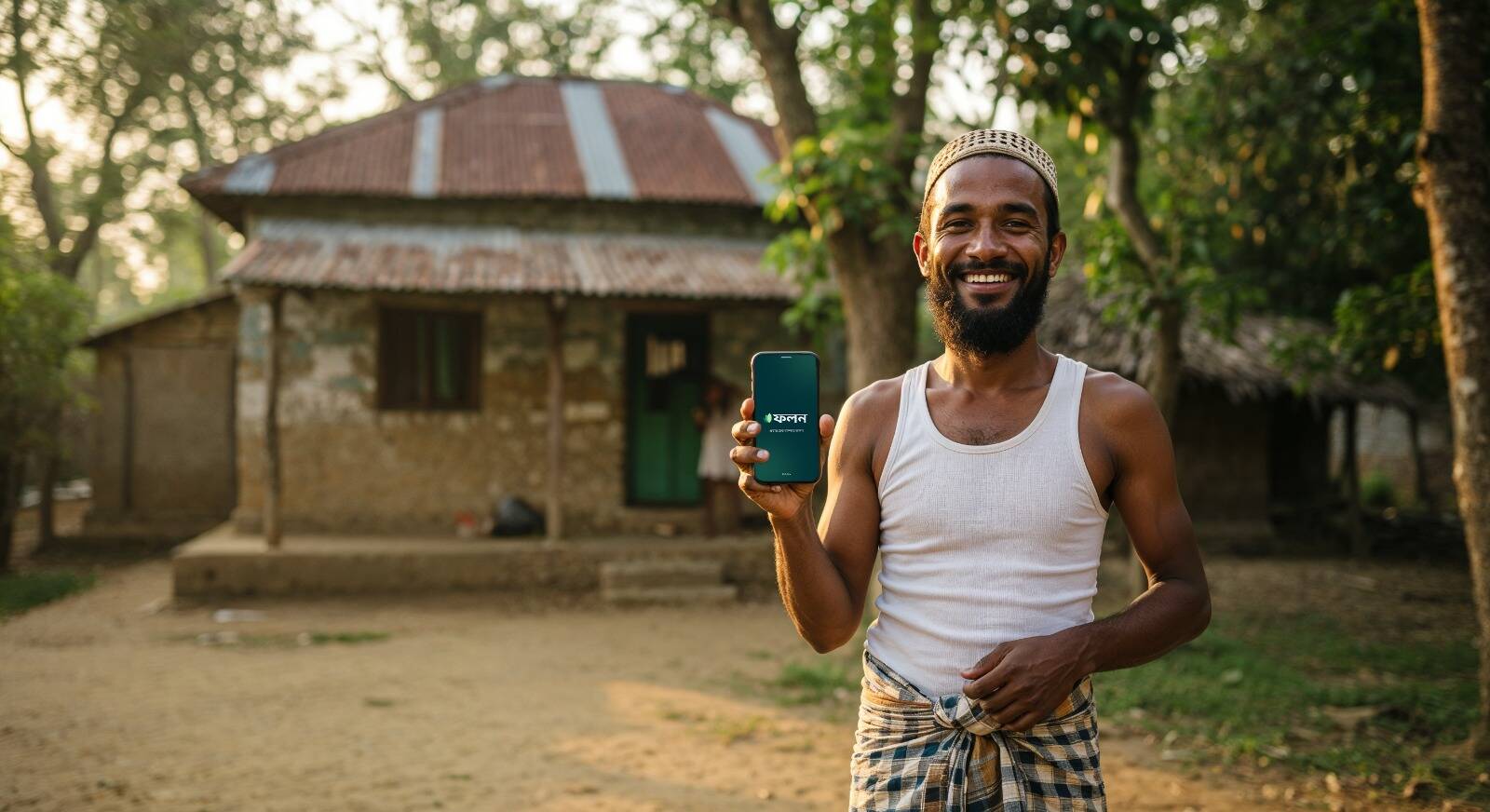
Today, iFarmer works with 350,000 farmers and agricultural retailers across Bangladesh. The company has facilitated tens of millions of dollars in farmer financing, generated tens of millions more in input sales, and moved well over US$100 million worth of agricultural commodities through its supply chain. It has also branched into adjacent tools, including an e-commerce platform for agricultural retailers and a mobile app that connects farmers directly to advisory support and community networks. None of that changes the basic value proposition, though: iFarmer pays farmers on time, tracks every transaction transparently, and treats smallholder agriculture as a livelihood worth investing in properly, not a charity case.
Financial exclusion is one of the most persistent barriers to agricultural development, and it disproportionately affects exactly the smallholder farmers whose productivity is most critical to food security. iFarmer's integrated model — bundling finance, inputs, advisory services and market access into a single accessible platform — is a clear demonstration of how digital technology can bridge that gap at genuine scale, without waiting for traditional financial infrastructure to catch up. That combination of measurable impact, replicability and technological innovation is what the OPEC Fund's Innovation for Development category was created to celebrate.



Notice that after activation data will be sent to Youtube.
Read our Terms.