We use Cookies. Read our Terms
Development News 2026 Q3
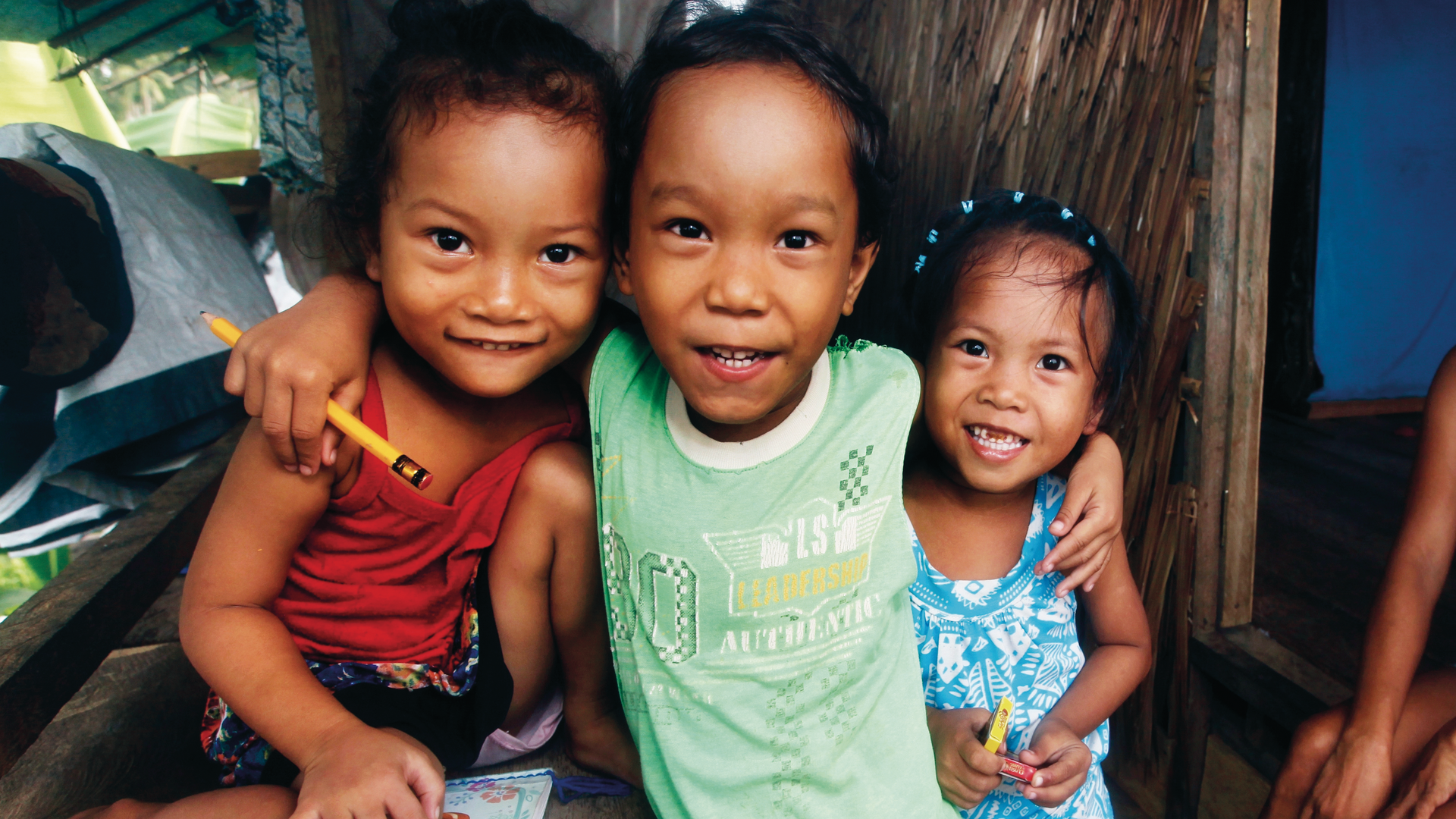
Photo: Imabulary/Shutterstock
Reducing poverty in the Philippines
The government of the Philippines recognizes that public financial management is a powerful tool for reducing poverty and bridging regional disparities. A €128.3 million loan will help enact a series of reforms that will reduce poverty by improving the efficiency and reach of the social services.
The reforms fall into three categories: improving national public financial management frameworks, fostering fiscal decentralization for service delivery and establishing a public financial management system in the Bangsamoro region, which contains the largest pockets of poverty in the Philippines. The goal is a more efficient public financial management system that can usher in sustainable financing in areas such as infrastructure, education, health, social assistance and other public services.
Azerbaijan: Delivering cleaner water...
A US$90.4 million loan will help finance a wastewater treatment plant in Azerbaijan’s second-largest city of Sumgayit with some 425,000 residents.
The project will reduce health and environmental risks and increase the volume of wastewater that is safely and reliably treated and can be reused. The plant will have a capacity of 100,000 m3 of water/day.
The project includes rerouting sewer lines and rehabilitating pumping stations to improve collection and treatment efficiency. It will also eliminate direct discharges of domestic and industrial wastewater into the Caspian Sea and surrounding water bodies, restoring ecological balance and enhancing public health.
...and supporting MSMEs
A US$20 million-equivalent local currency loan to Bank Respublika in Azerbaijan will support the expansion of its micro, small- and medium enterprise (MSME) portfolio. It is the OPEC Fund’s first local currency loan, reflecting the institution’s efforts to broaden its range of financing solutions. The loan will help MSMEs invest, expand and contribute more fully to productive growth and job creation. Micro and small businesses account for nearly half of all employment and 99 percent of registered enterprises in Azerbaijan.
Supporting micro and small businesses in Bosnia and Herzegovina
A €10 million loan to Mikrokreditno Društvo Mikrofin d.o.o. Banja Luka will expand access to finance for micro and small enterprises in Bosnia and Herzegovina, including women-owned businesses. The financing is part of a syndication led by the International Finance Corporation. Small businesses are the main drivers of growth and employment in Bosnia and Herzegovina.
Unleashing hydropower in Bhutan
A US$47.3 million loan will help the Kingdom of Bhutan build a 55 MW run-of-river hydropower project downstream of an existing hydropower plant. The cascading arrangement eliminates the need for major hydraulic structures, optimizing capital costs and minimizing environmental impacts.
The project is expected to generate more than 200 GWh of electricity annually; the surplus of which will be exported to India. The project will also reduce the disparities among Bhutan’s regions, as the eastern part of the country is considered underdeveloped, despite the significant hydropower potential.
Boosting connectivity in Tajikistan
A US$30 million loan will finance the reconstruction of more than 80 km of Tajikistan’s Rushan-Varshez corridor, part of the Asian Highway AH66. Works will include the construction of nine small bridges and 117 culverts along the route as well as connecting villages along the corridor with 10 km of rural feeder roads.
The project is expected to generate substantial social benefits by improving access, lowering transport costs and stimulating local and regional economic activity, which will be especially significant for the Gorno Badakhshan Autonomous Oblast, one of the most remote and underserved regions.
Armenia: Empowering small businesses...
A series of recent OPEC Fund operations will support small businesses and the agriculture sector in Armenia. Taken together, these will help address the country’s formal MSME finance gap of approximately US$1 billion, which account for 69 percent of employment.
A US$50 million loan to Ameriabank will focus on agribusinesses and MSMEs. A US$35 million syndicated loan to Armeconombank will expand access to finance for MSMEs. It comprises a US$20 million A-loan from the OPEC Fund and a US$15 million B-loan provided by the Allianz Credit Emerging Markets Fund, managed by Allianz Global Investors.
...and fostering economic growth
A €80 million loan will support Armenia’s economic transformation towards faster and more sustainable growth by improving the business environment, facilitating investment and trade and enabling greener growth.
Specifically, the Armenia Economic Transformation Program will enact reforms that include strengthening consumer protection against unfair competition, adopting laws friendly to the digital economy, streamlining customs procedures, modernizing air quality legislation and providing a green investment framework, among others.
Elevating e-mobility and climate finance in Viet Nam
A US$50 million loan to Southeast Asia Commercial Joint Stock Bank (SeABank) will expand financing for small businesses and climate-focused investments. The loan will help SeABank increase lending to micro, small and medium-sized enterprises (MSMEs), which account for around half of employment in Viet Nam but continue to face a significant financing gap. Part of the funding will also support investments in energy efficiency, green buildings and electric mobility.
Expanding small business and green finance in Honduras
A US$50 million loan agreement with Banco de América Central Honduras S.A. will expand access to finance for micro, small and medium-sized enterprises (MSMEs), including women-owned businesses, and support climate-related investments across Honduras.
The operation will also contribute to Honduras’ climate objectives by supporting investments in mitigation and adaptation. The country is highly exposed to hurricanes, floods, droughts and other climate-related risks.
Upgrading roads in Nicaragua
A US$31.5 million loan providing for the rehabilitation of more than 96 km of existing highways in Nicaragua will provide a better connection between the Pacific and Caribbean coasts and benefit approximately 120,000 residents. The improved roads will facilitate better access to markets for local farmers, reduce transport costs and enhance the economic viability of agricultural activities. Facilitated passenger and freight traffic conditions will also strengthen the competitiveness of the area and region.
Developing a social safety net in Mauritania
A US$15 million loan will strengthen the efficiency, timeliness and productive focus of Mauritania’s social protection system for vulnerable nationals and refugees.
The program will modernize social protection systems and digitize payments, update social registry procedures to better include refugees and improve the timeliness of payments and crisis response.
The program’s main beneficiaries are low-income Mauritanian and refugee households, including those affected by climate shocks. It also aims to reduce the gender gap by economically empowering women.