We use Cookies. Read our Terms
AI is revolutionizing the developing world
Knowledge as the key input to productivity represents a rare opportunity that must be embraced
Industrial revolutions have historically been the main engines of human development, breaking physical limits to raise global standards of living.
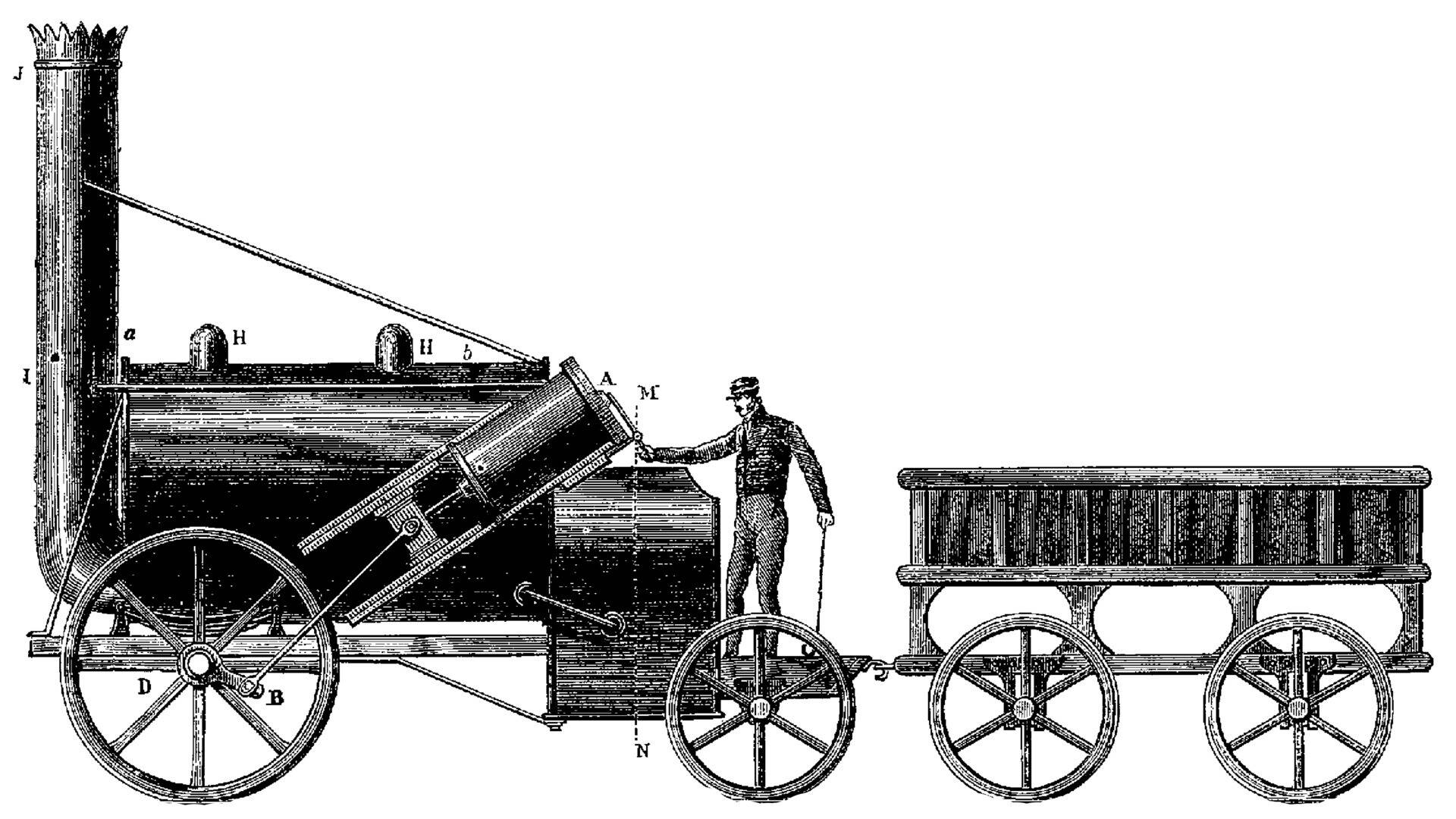
The First Industrial Revolution transitioned production from manual labor to steam power, allowing millions to move beyond basic survival. The Second harnessed electricity and mass production to make essential goods – such as lighting, transport and tools – affordable and accessible for the first time. The Third introduced the computer and internet, shifting the global economy from analogue mechanics to digital electronics.
Artificial intelligence (AI) marks a deeper break from that pattern. The Fourth Industrial Revolution, powered by AI and interconnected data, runs on digital intelligence that scales at near-zero marginal cost. Once developed, an AI model can be used millions of times without proportionally more resources. Knowledge, rather than material, becomes the key input to productivity. Unlike past revolutions that expanded physical capacity, AI expands cognitive capacity – enabling prediction, optimization and decision making at scale.
Yet technology alone does not generate transformation. Capability building, not just model deployment, determines whether AI becomes a development accelerator or a new divider.
Implications for developing countries
For developing countries, this is a rare opportunity. Where infrastructure and public services are scarce, AI can bypass traditional bottlenecks. By analyzing satellite imagery and sensor data, a single system can deliver tailored agricultural advice via text message to millions of smallholder farmers. Similar approaches can optimize energy grids, improve logistics and enable predictive maintenance in mining and manufacturing. Intelligence can now travel where infrastructure cannot, allowing productivity to scale with data, connectivity and skills rather than only factories and machines.
Yet this promise comes with real risks if left unmanaged. Some 2.2 billion people remain offline, mostly in the Global South, while a projected global shortage of 85 million digital workers by 2030 highlights a deep skills gap. Reliable digital and energy infrastructure, a skilled workforce and institutional capacity are essential. Without these foundations, AI will remain out of reach, or worse, create new forms of dependency where countries supply data but lack the capacity to turn it into value.
Bridging AI challenges in development
The United Nations Industrial Development Organization (UNIDO) recognizes that no country can build these capabilities alone. The scale, speed and complexity of AI demand international collaboration between governments, industry, academia and development partners. This recognition led to the launch in 2023 of the AIM Global Alliance1 – a platform designed to move beyond dialogue toward practical industrial solutions. Today, the Alliance connects over 200 partners across 40 countries, including industry, governments, academia and technology leaders, to share knowledge, align approaches and help countries turn the application of AI into tangible productivity gains.
At the operational level, this collaboration takes shape through a growing global network of more than 20 Centres of Excellence (CoEs) across Africa, Asia, Eastern Europe, Central Asia, Latin America and the Arab States. In practical terms, the CoEs are where AI meets the factory floor. They provide live demonstration facilities, hands-on workforce training and direct support to startups and small and medium-sized enterprises (SMEs) facing concrete production challenges. An enterprise can arrive with a problem – downtime, quality control, energy inefficiency – and leave with a tested solution, trained staff and a roadmap for adoption.
Through a hub-and-spoke model, each CoE combines a central hub with core infrastructure, demonstration facilities and training programs. Meanwhile regional spokes deliver hands-on support to local SMEs. Managed by a non-profit entity, the model ensures that day-to-day operations, skills training and technology transfer are coordinated and sustainable.
This setup helps SMEs tackle production challenges, adopt AI and advanced manufacturing tools while achieving measurable results. That means higher productivity, better quality, reduced downtime and a workforce confident in using digital technology. By linking knowledge, infrastructure and local support, the hub-and-spoke model distributes proven solutions efficiently across regions and industries.
Case studies show the way forward
A concrete example is found in Tajikistan, where a Centre of Excellence integrates AI into several industries, aiming to modernize production through advanced digital tools, for example, via AI-virtual prototyping for garment manufacturers. But technology was only one part of the intervention. Structured training programs upgraded workforce skills, while institutional support strengthened local innovation capacity. The result: firms moved beyond basic assembly toward higher-value production, expanding exports and employment.
In collaboration with IBM’s Impact Accelerator program, UNIDO is codeveloping an AI-powered solution to help countries assess their capacity to harness digital and AI technologies for sustainable industrial and economic transformation, while strengthening supply chain resilience. The model assesses readiness across five critical pillars – infrastructure, data ecosystems, innovation capacity, capital access and governance frameworks. Pilot deployments in Brazil and Mexico will apply the framework to identify and outline country-specific industrial transformation pathways, generating actionable insights for policy, investment and workforce development. This approach builds lasting institutional capacity, moving beyond one-off assessments to sustained transformation.
Looking ahead, new Centres of Excellence, including in China with technology leaders in intelligent manufacturing and robotics, aim to further integrate advanced digital manufacturing solutions into national industrial ecosystems. The emphasis remains consistent: Co-development, skills transfer and long-term institutional strengthening.
Scaling solutions, not just technology
A key lesson is clear: AI does not automatically drive development. Access to models or platforms alone does not guarantee transformation. Impact depends on the ability to deploy AI across real economic systems, supported by skilled talent, robust digital infrastructure, regulatory clarity and effective governance. Strong frameworks for data governance, competition, ethics, cybersecurity and transparent procurement are essential to build trust and reduce risk. International alignment on standards through multilateral cooperation can prevent fragmentation and ensure that developing countries are not excluded from emerging AI value chains.
Sustainability and inclusivity must be core design principles. AI should prioritize productivity gains in sectors that employ large populations such as agriculture, manufacturing and logistics, while also investing in reskilling to mitigate displacement. Public-private partnerships can expand digital access and education reform can close skills gaps. The challenge now is scale: Proven solutions must move beyond pilots, infrastructure must reach underserved communities and governments and industry must collaborate to build enabling, responsible ecosystems that distribute benefits broadly rather than concentrate them among a few.
A call to action
The Fourth Industrial Revolution is not defined by machines, but by intelligence. Developing countries stand at a pivotal moment. By strengthening local capacity, fostering collaboration between governments, industry and academia, and expanding practical models like Centres of Excellence, AI can become a tool for shared prosperity rather than a source of new divisions.
Join us by connecting with the AIM Global Marketplace and showcasing your solutions. Bring forward concrete use cases and industrial challenges. Co‑develop pilot projects with us. Engage your institutions, your ecosystems, your private‑sector partners. And help us demonstrate what responsible industrial AI can achieve. Because AIM Global succeeds only when members shape it, lead it and push it forward.
• Register at: https://aim.unido.org/
The future industrial order is being shaped not only by those who invent AI, but by those who build the ecosystems to use it wisely.
Jason Slater
Jason Slater is Chief AI, Innovation and Digital Officer at UNIDO, where he leads global initiatives harnessing AI, digital transformation and innovation to drive sustainable development and inclusive growth. Before joining the UN system, he led finance transformation projects in the UK public sector and held senior finance roles in a multinational corporation. He is a Chartered Management Accountant and holds an MBA in financial management and business transformation.